The Senate Standing Committee on Finance and Revenue has expressed strong displeasure after a Deputy Director of the State Bank of Pakistan (SBP) responded to a letter addressed directly to the central bank's Governor regarding foreign exchange issues faced by parliamentarians.
During a meeting chaired by Senator Saleem Mandviwalla, committee members questioned why the Governor did not respond personally or assign the matter to another senior official.
The committee rejected the response submitted by Deputy Director Salman Shah, saying the concerns raised by parliamentarians required attention at a higher level of the central bank.
Mandviwalla expressed resentment over the handling of the matter and said a response from a junior official was inappropriate given the importance of the issues raised.
The committee stressed that the Governor or another senior SBP official should have addressed the concerns instead of leaving the matter to a Deputy Director.
It decided to seek an explanation from the central bank's senior management as to why the letter was handled at a lower administrative level.
What Triggered the Senate's Intervention?
The dispute began when a group of parliamentarians wrote directly to the Governor of the State Bank of Pakistan, asking for clarification and assistance on foreign exchange (FX) transactions that they claimed were being delayed or denied. The letter, dated earlier this month, outlined specific cases where members of the Senate alleged they could not access foreign currency for legitimate travel and investment purposes.
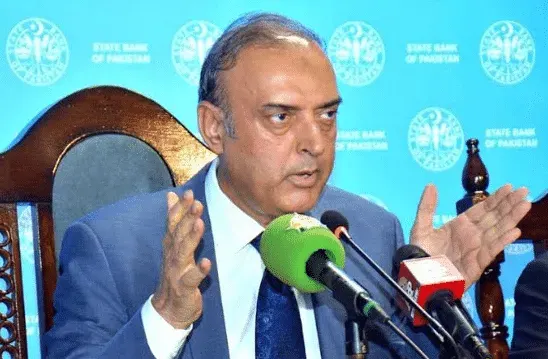
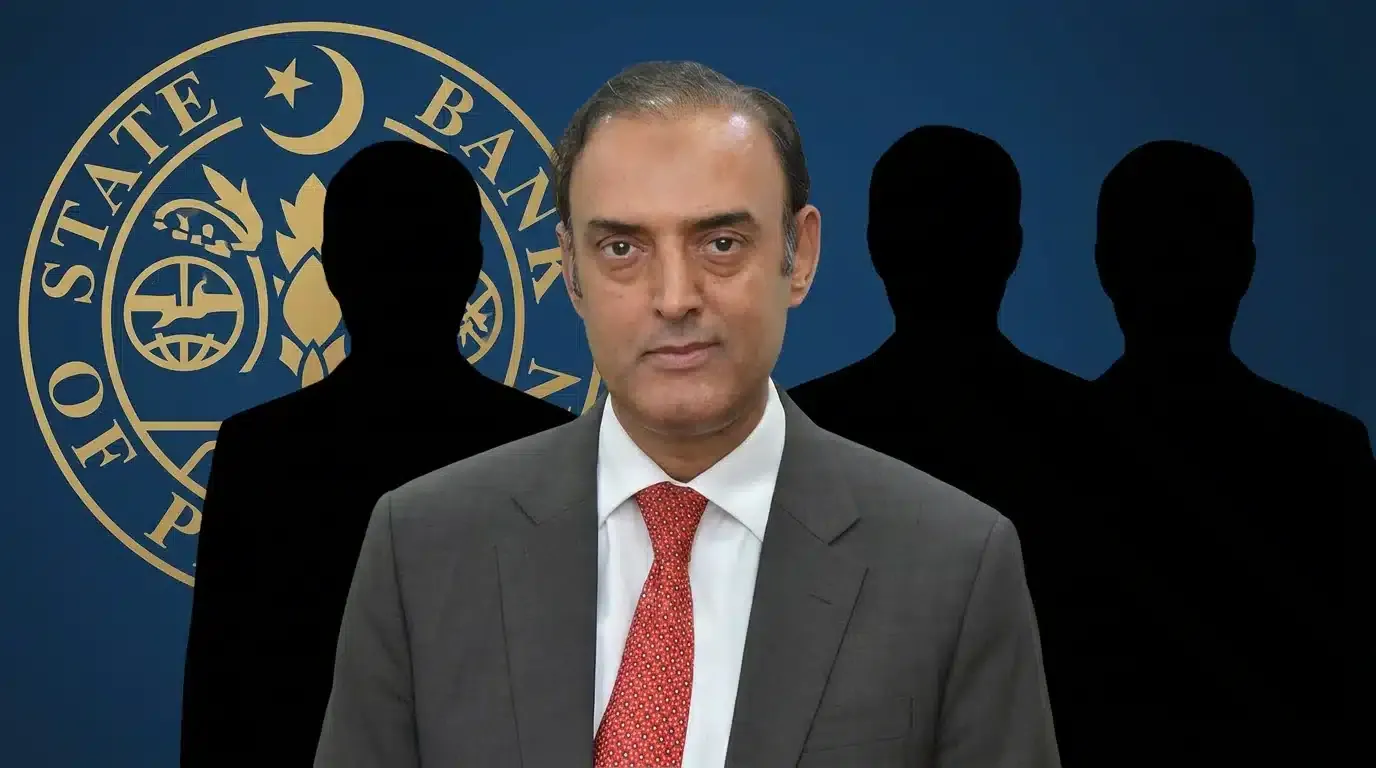
Instead of a personal reply from Governor Jameel Ahmad, the SBP's Deputy Director Salman Shah sent a written response that addressed the procedural aspects of the request but did not provide substantive answers to the individual grievances. The Senate committee viewed this as a procedural downgrade.
Why the Senate Committee Is Insistent on Senior-Level Engagement
Under Pakistan's constitution, the Senate's Standing Committee on Finance and Revenue oversees fiscal policy, monetary regulation, and the performance of the central bank. The committee's mandate includes scrutinising the SBP's actions that affect the economy and ensuring accountability.
Senator Saleem Mandviwalla, who chairs the committee, argued that issues involving foreign exchange have broad implications for trade, investment, and the personal finances of elected officials. "A junior officer cannot decide on matters that touch on national monetary policy or the rights of parliamentarians," he said during the meeting.
The committee's insistence on a senior response reflects a long-standing practice in parliamentary oversight where high-profile concerns are escalated to the top of an institution's hierarchy. This ensures that the decision-makers who set policy are directly accountable for the outcomes.
Background: The State Bank of Pakistan and Its Governance Structure
The State Bank of Pakistan, founded in 1948, serves as the country's central bank, responsible for issuing currency, managing monetary policy, and regulating the banking sector. The Governor, appointed by the President on the recommendation of the Prime Minister, heads the SBP and is supported by a board of directors and several deputy governors.
Deputy Directors, such as Salman Shah, typically oversee specific operational units, for example, foreign exchange management, compliance, or payments systems. Their authority is limited to technical and administrative matters; policy decisions and high-level communications are reserved for the Governor or senior officials.
In recent years, the SBP has faced criticism over its handling of foreign exchange allocations, especially during periods of balance-of-payments stress. The bank's FX window, which allocates foreign currency to importers, exporters, and travelers, operates under a set of rules that have been periodically revised to reflect market conditions.
Explainer: How Foreign Exchange Requests Are Processed in Pakistan
When a Pakistani citizen or entity needs foreign currency, they submit an application to an authorized dealer (bank) under the SBP's FX window. The dealer forwards the request to the SBP, which checks compliance with the Foreign Exchange Regulation Act and assesses the availability of foreign reserves.
If the request is for a political figure or a high-profile individual, the SBP may route the case to a senior official for review, especially if the amount is large or the purpose is sensitive. The Governor's office typically signs off on any deviation from standard policy.
Failure to obtain the requested FX can result in delayed travel, postponed contracts, or lost investment opportunities. For parliamentarians, such delays may also affect their ability to attend international conferences or fulfill constituency projects that require foreign procurement.
Impact on Stakeholders
The immediate impact of the committee's rebuke is on the parliamentarians who raised the original concerns. They now face a prolonged waiting period for a satisfactory resolution, which could affect their personal travel plans and constituency work.
Beyond individual members, the episode signals to the broader business community that the SBP's internal communication channels may be under scrutiny. Companies that rely on timely FX approvals for imports may watch the outcome closely, fearing potential policy shifts.
For the SBP, the criticism could prompt a review of its internal escalation procedures, possibly leading to reforms that ensure senior officials handle politically sensitive matters.
What Comes Next? Expected Steps and Timeline
The Senate committee announced that it will formally request an explanation from the SBP's senior management. This request will be submitted in writing within the next two days, and the bank is expected to respond within a statutory period of ten working days, as per parliamentary procedure.
If the SBP's explanation is deemed unsatisfactory, the committee may recommend a motion of no-confidence in the Governor or call for an audit of the bank's FX handling processes. Such actions would require a majority vote in the Senate.
Observers suggest that the SBP may also issue an internal memo clarifying the chain of command for handling correspondence addressed to the Governor, to prevent similar incidents.
Practical Takeaways for Readers
- Parliamentarians seeking foreign exchange should ensure their requests are routed through the appropriate senior channels within the SBP.
- Businesses monitoring FX allocations should stay informed about any policy clarifications that may arise from the Senate's inquiry.
- Citizens can expect greater transparency from the SBP if the committee's recommendations lead to procedural reforms.
Historical Context: Parliamentary Oversight of the Central Bank
Pakistan's Senate has a history of intervening in central bank affairs, most notably during the 2018 monetary tightening cycle when the committee questioned the SBP's interest-rate decisions. Those interventions resulted in a series of public hearings and a temporary suspension of certain policy tools.
Such precedents illustrate that the Senate's Standing Committee on Finance and Revenue can influence central bank conduct, especially when the issues intersect with political accountability.
Conclusion
The Senate's demand for a senior-level response underscores the importance of proper protocol when dealing with high-profile financial grievances. As the SBP prepares its explanation, the episode highlights the delicate balance between bureaucratic efficiency and political oversight in Pakistan's financial system.