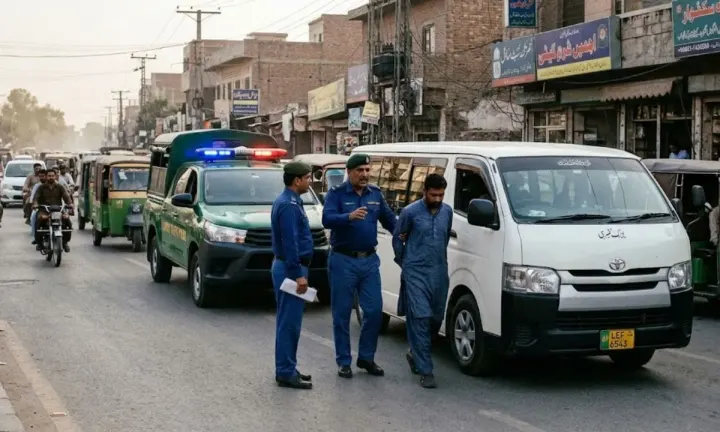
In September 2026, Pakistan imported 4,861 new and used completely built-up (CBU) cars, a sharp increase that has local auto parts makers warning of reduced output and potential layoffs.
Data show new CBU arrivals climbed more than six times, reaching 2,407 units compared with 391 in August, while used car imports more than doubled to 2,454 units from 1,185.
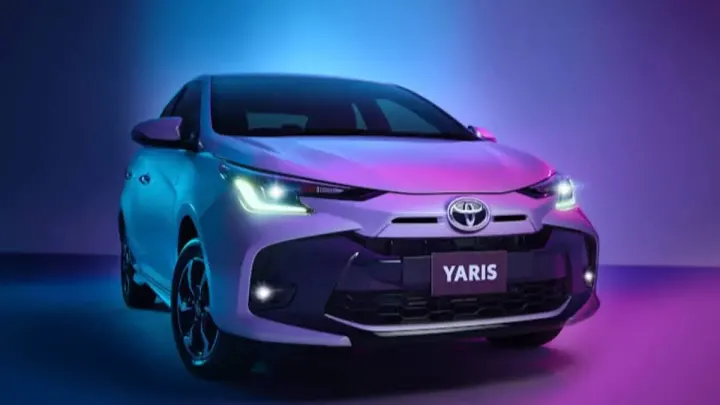
The BYD ATTO topped new-vehicle imports with over 1,500 units, its highest monthly total so far. Among used cars, luxury models rose, as did compact and mini cars such as the Suzuki Alto, Daihatsu Mira and Toyota Yaris.
Abdur Rehman Aizaz, chairperson of the Pakistan Association of Automotive Parts & Accessories Manufacturers (PAPAAM), said the surge threatens a domestic sector of roughly 1,200 parts makers.
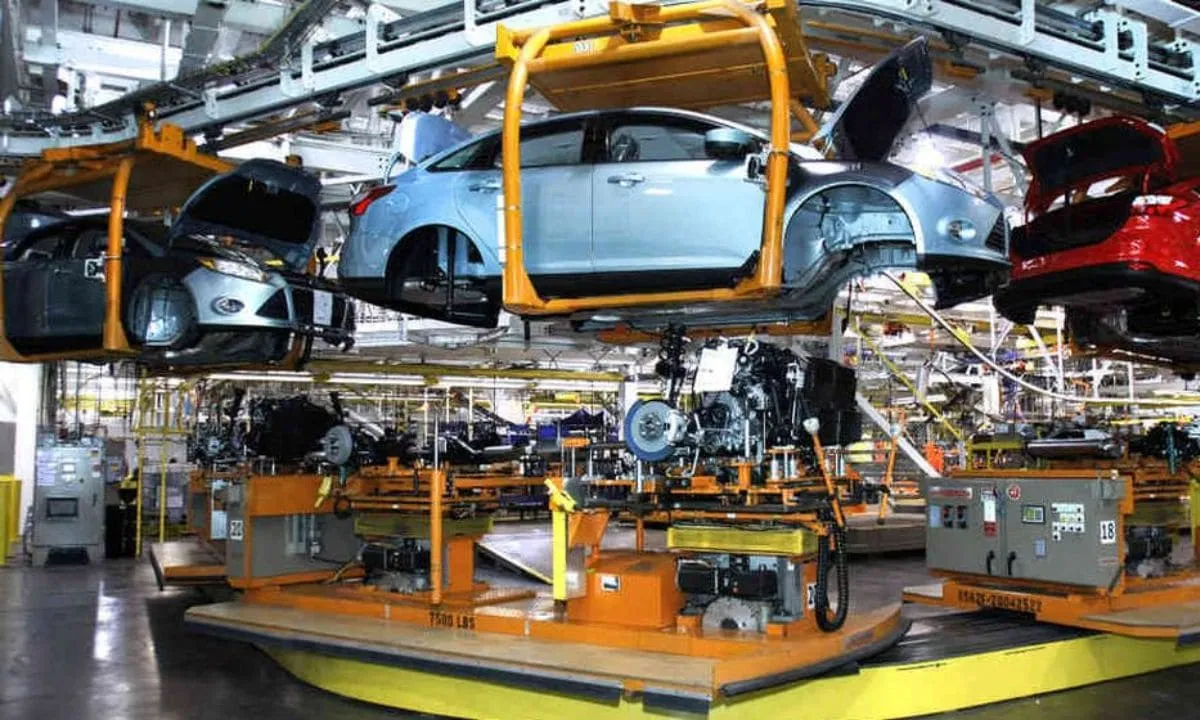
These companies supply seats, glass, doors, bumpers, headlamps, wiring harnesses, tyres, steering wheels and shock absorbers, and locally produced parts make up to 65 per cent of the component value in a Toyota Corolla.
Because CBU cars arrive fully assembled and use no local components, Aizaz noted each imported vehicle means lost business for suppliers, cutting production volumes and weakening economies of scale needed for cost competitiveness.
The industry estimates local parts contribute about Rs1.5 million to the value of each locally assembled car, meaning September's 4,861 imports could displace parts demand worth roughly Rs7.3 billion.
This figure is an industry estimate, not a confirmed loss, and the real effect depends on the specific models imported and whether buyers would have chosen locally assembled vehicles.
Aizaz recognized that used imports give consumers more options at competitive prices, especially those able to spend around Rs5 million, but said this must be balanced against employment impacts across the supply chain.
Reduced production can lift per-unit costs, hurt competitiveness and deter investment in machinery, technology and capacity, with knock-on effects on steel, plastics, rubber, glass and electrical component suppliers.
He questioned whether import policy should favor an upper-middle-class buyer seeking a used imported car or a factory worker earning Rs40,000 a month, noting the September surge has revived debate on widening consumer choice while protecting the local assembly and parts base.