Pakistan Energy Import Bill Highlights Heavy Reliance on Fossil Fuels
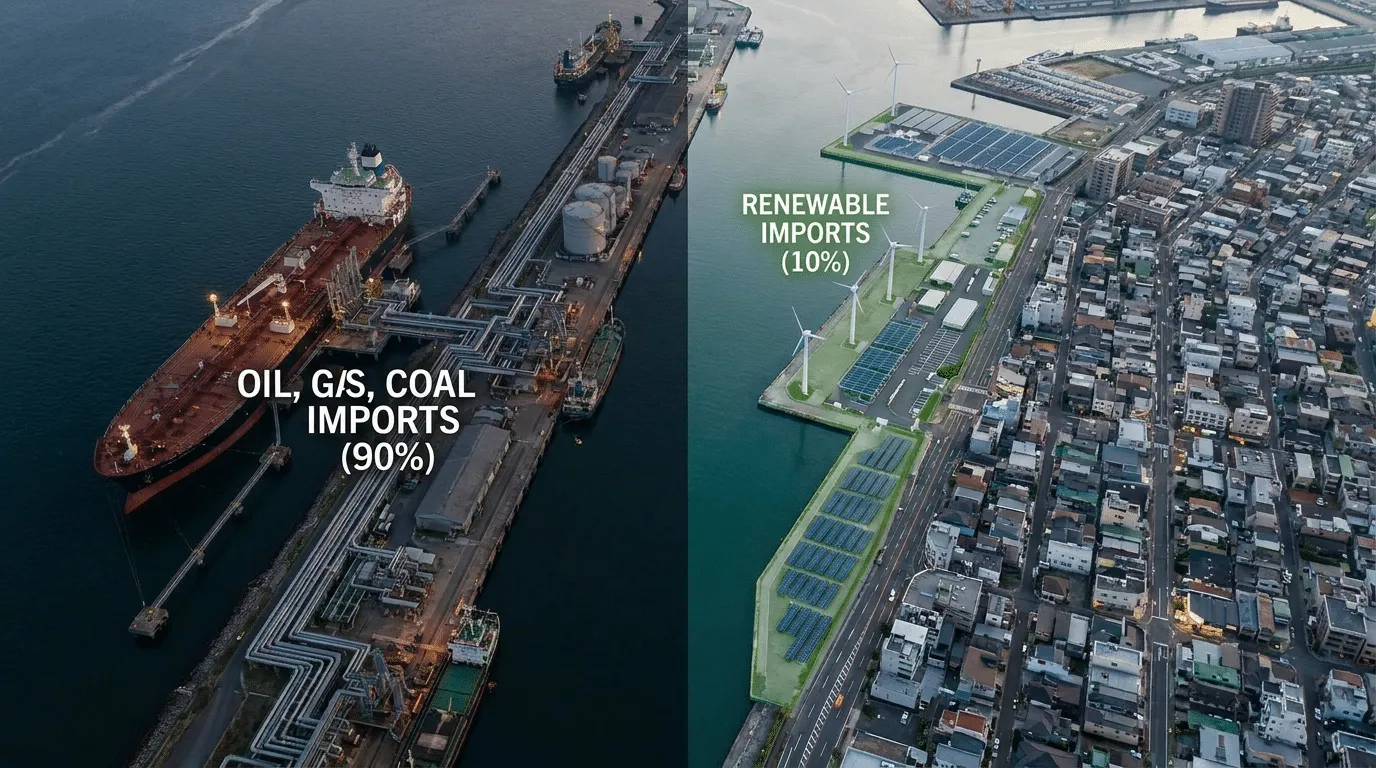
Pakistan spent more than 90 percent of its $128 billion energy import bill on fossil fuels between FY20 and FY26. This financial allocation underscores a long-standing national dependency on traditional energy sources despite global shifts toward sustainable power generation. The figures emerge directly from the Renewables First, Pakistan Energy Market Review, 2026 report, which tracks the nation expenditures on power sector commodities over a six-year period.
Fossil energy imports accounted for approximately $117 billion of the total spending, while renewable energy technologies received around $11 billion. The stark disparity between these two categories illustrates the sheer scale of conventional fuel purchases required to keep the national grid and transport networks operational. Authorities and energy specialists continue to monitor these metrics as the country attempts to balance immediate energy demands with long-term fiscal stability.
The fossil fuel category includes crude oil, refined petroleum products, imported coal and liquefied natural gas. These commodities form the backbone of the domestic energy supply, feeding thermal power plants and fueling vehicles across the country. Conversely, renewable energy technology imports include solar panels, wind turbines, inverters and lithium-ion batteries. These green technologies have entered the local market in growing numbers, yet their aggregate financial footprint remains a fraction of traditional fuel purchases.
Understanding Pakistan Fossil Fuel and Energy Import Trends
The historical trajectory of energy imports in Pakistan reflects deep-seated structural requirements within the domestic economy. For decades, domestic oil and gas production has failed to keep pace with rising consumption, forcing successive governments to rely on foreign suppliers. Imported coal has similarly become a staple for certain power generation projects, while liquefied natural gas bridges the gap for industrial and domestic heating needs.
The sheer magnitude of the $128 billion total energy import bill demonstrates the heavy financial burden placed on the national treasury. International market volatility often translates into severe domestic price shocks, straining both industrial competitiveness and household budgets. When global crude oil or liquefied natural gas prices surge, the national import bill expands rapidly, creating immediate stress on the balance of payments.
Energy analysts point out that thermal generation assets established under previous policy frameworks locked the country into long-term fuel purchase commitments. These agreements often require guaranteed capacity payments to foreign and domestic independent power producers, regardless of actual electricity demand. Consequently, shifting away from imported fossil fuels involves navigating complex contractual obligations while securing alternative financing for cleaner infrastructure.
The Role of Solar Panels, Wind Turbines and Batteries in Modern Imports
Although the financial totals favor traditional fuels, the report points out that imports of renewable energy equipment have increased considerably since FY20. Citizens, commercial enterprises and industrial operators have increasingly turned to decentralized solar solutions to combat high grid tariffs and frequent power outages. Rooftop solar installations have expanded rapidly in major urban centers and rural areas alike, driven by falling global prices for photovoltaic hardware.
Imports of renewable energy technology include essential components such as solar panels, wind turbines, inverters and lithium-ion batteries. These hardware imports allow consumers to generate their own electricity and store excess energy for use during peak hours. Despite this localized adoption boom, their total value remains much smaller than fossil fuel imports when measured on a national macroeconomic scale.
The surge in solar panel and inverter imports highlights a grassroots transition driven by consumers rather than centralized state planning. Households and businesses absorb the upfront capital costs of these technologies to protect themselves against unreliable grid power and rising utility bills. However, the lack of comparable utility-scale wind and solar projects funded through formal state channels keeps the overall import share for renewables relatively low.
Impact on Foreign Exchange Reserves and Macroeconomic Stability
This spending pattern also has implications for Pakistan foreign exchange reserves. The country continues to allocate a substantial share of its import spending to fuels that expose it to international commodity prices and supply disruptions. Whenever global energy markets experience turmoil, the demand for foreign currency to pay for petroleum and gas shipments drains central bank reserves.
Maintaining adequate foreign exchange reserves is a perpetual challenge for national economic managers. Heavy reliance on imported energy creates structural trade deficits, making the currency vulnerable to depreciation and increasing inflation. When a vast majority of energy spending leaves the country to pay for fossil fuels, fewer financial resources remain available for domestic development, education and health initiatives.
Vulnerability to international supply disruptions adds another layer of risk to the national economy. Geopolitical conflicts, shipping bottlenecks and production cuts by major oil-exporting nations can instantly restrict fuel availability or drive up costs. Diversifying the energy mix toward domestic renewable sources represents a theoretical shield against these external shocks, but the current financial data shows that transition remains in its early stages.
What Comes Next for Pakistan Energy Sector Policies
Future policy decisions will determine whether the country can alter its energy import composition in the coming decade. Government ministries face mounting pressure from international lenders and environmental organizations to phase out high-emission fuel sources and scale up clean energy generation. However, achieving this shift requires coordinated regulatory reforms, grid modernization and targeted financial incentives for large-scale green projects.
Observers will watch for upcoming revisions to national energy policies, particularly regarding net metering tariffs, grid connection rules for independent power producers and tax structures on renewable hardware. At the same time, international climate finance mechanisms and concessional loans could provide alternative avenues to fund utility-scale solar and wind farms. Until those institutional changes take full effect, fossil fuels will likely continue to dominate the national energy import bill.





