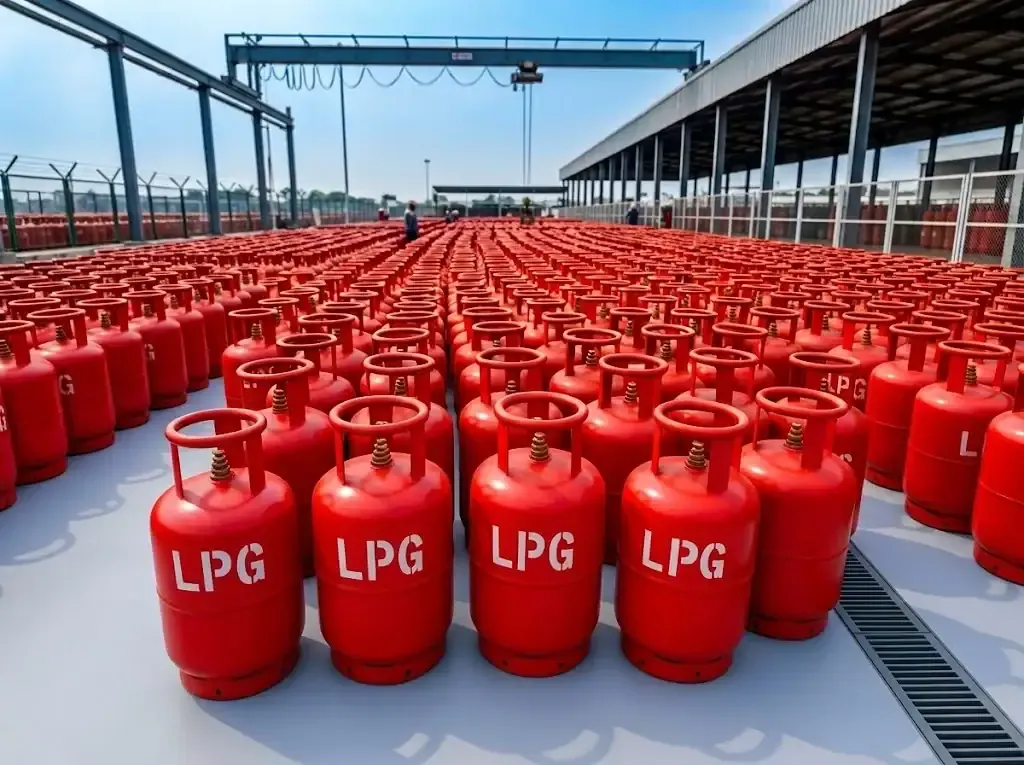
Pakistan Implements New LPG Auction Framework
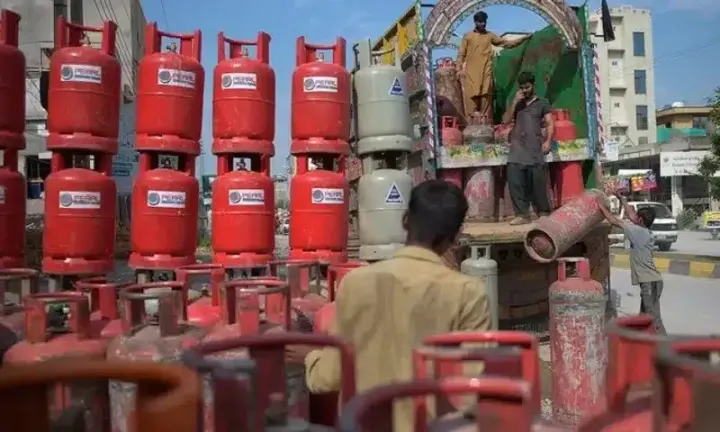
Pakistan has announced a major shift in its energy sector by deciding to auction 90% of its locally produced liquefied petroleum gas under a new allocation mechanism. The policy is designed to promote competitive bidding, improve transparency, and ensure fair fuel distribution across the country. The Petroleum Ministry revealed this strategic decision following the inaugural meeting of the newly formed LPG committee.
The Petroleum Secretary chaired the gathering, which brought together key stakeholders to discuss the mechanics of the deregulated framework. Federal Minister for Petroleum Ali Pervaiz Malik highlighted ongoing efforts to resolve long-standing concerns regarding LPG availability and high prices for everyday consumers. Officials hope the structured auction approach will remove bottlenecks in the domestic energy market.
The transition to this auction model follows formal approval by the Federal Cabinet on November 4, 2026. Energy markets across the nation have faced pricing volatility and distribution challenges for years, prompting calls for regulatory reform. By opening the bulk of domestic output to competitive bidding, the government intends to curb monopolistic pricing and streamline fuel supply chains.
How the New LPG Allocation Mechanism Works
Under the updated guidelines, local LPG producers must adhere to a strict division of their total output. State-owned LPG marketing companies will receive 10% of total production directly, designated specifically for distribution in hard-to-reach areas where commercial supply often fails to penetrate. This safeguards energy access for remote communities.
The remaining 90% of production will be offered through transparent auctions conducted in the presence of the media to maintain complete public accountability. To prevent market domination by large corporations, the committee has established a daily purchase limit of 20 metric tons per company. This restriction aims to provide equal opportunities to all eligible bidders.
Oversight of the entire auction process falls to a newly established LPG committee headed by the Petroleum Secretary. The committee includes the chairman of OGRA, managing directors of OGDCL and PSO, the president of United Energy Pakistan Limited, and the Director General of Liquefied Gases. This group will periodically review pricing and bidding procedures to ensure market stability.
Government Monitoring and Supply Chain Oversight
To ensure strict compliance with the new rules, the government will monitor daily LPG production figures closely. Officials will share these production data directly with the Prime Minister to track overall supplies and prevailing market conditions in real time. This high-level supervision is intended to prevent hoarding and artificial shortages.
Federal Minister Ali Pervaiz Malik emphasized that the new auction system will strengthen the overall supply chain. Authorities believe that open competition will improve energy infrastructure and ultimately help consumers access liquefied petroleum gas at more affordable prices. The framework represents a departure from older allocation methods that lacked public visibility.
Market participants and industry observers are watching the implementation closely to see how the bidding limits affect smaller distributors. While the 20 metric ton daily cap protects smaller players, large distributors must adapt their sourcing strategies to fit the new competitive reality.
Background on Pakistan Energy Policy Reforms
The introduction of the LPG auction framework is the latest step in a broader government effort to deregulate parts of the domestic energy sector. Energy pricing in Pakistan has historically faced pressure from import dependency and fluctuating global commodity markets. By optimizing local production through transparent mechanisms, the administration seeks to insulate domestic consumers from external shocks.
Previous allocation policies often relied on fixed quotas, which critics argued lacked transparency and led to unequal market access. The shift toward media-monitored auctions addresses demands from industry participants for a level playing field. The active involvement of regulatory bodies like the Oil and Gas Regulatory Authority ensures that consumer protection remains central to the framework.
As the committee continues its work, future meetings will focus on fine-tuning the operational details of the auctions. Stakeholders across the energy sector are preparing for the first official auction rounds under the newly enacted rules.
Expected Impact on Consumers and Businesses
Households and commercial enterprises dependent on liquefied petroleum gas stand to benefit from a more predictable pricing structure. High fuel costs have placed financial strains on residential users, particularly during winter months when demand peaks. Increased market transparency should help stabilize retail rates.
Businesses operating in the logistics and distribution sectors must navigate the new daily purchase limits. While large entities cannot sweep up entire production batches, regional distributors now have guaranteed access to fuel through competitive bidding. The mandatory 10% allocation for remote areas also ensures that marginalized regions are not left behind in the commercial shuffle.
The Petroleum Ministry maintains that continuous monitoring by the committee and the Prime Minister's office will deter irregularities. As the framework takes full effect, the government aims to build a resilient and equitable energy market for all citizens.