Prime Minister Shehbaz Sharif Shifts LPG Pricing Authority From OGRA to State-Owned Firms
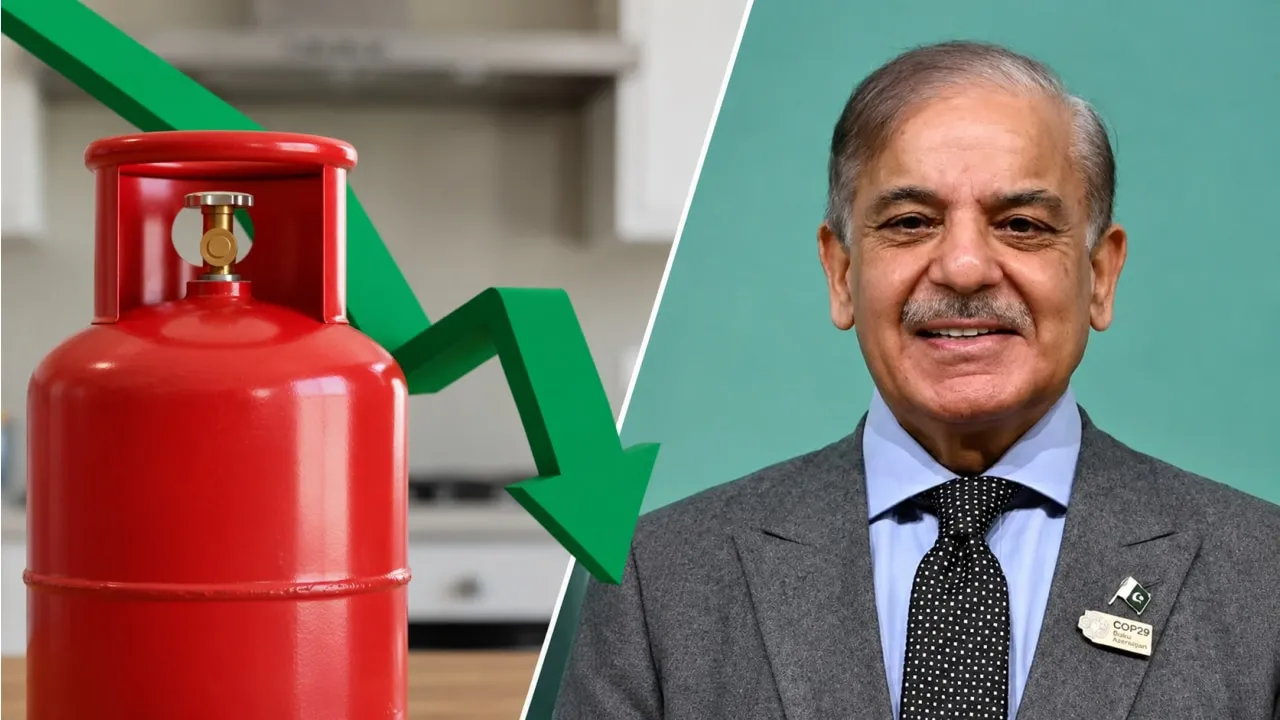
Prime Minister Shehbaz Sharif has transferred the authority to determine liquefied petroleum gas prices from the Oil and Gas Regulatory Authority to Pakistan State Oil and Sui Southern Gas Pipelines Limited, giving the two state-owned companies responsibility for setting national LPG cylinder prices. This major administrative shift marks a departure from traditional regulatory frameworks, placing commercial entities at the helm of pricing determinations for a vital domestic fuel. The policy change aims to restructure how domestic energy costs are calculated and managed across the nation, directly involving major public sector energy corporations in retail and wholesale pricing mechanisms.
Following the prime minister directives, Petroleum Minister Ali Pervaiz Malik has assigned PSO and SSGPL full authority to determine LPG prices across the country, replacing OGRA role in the pricing process. This transition strips the independent regulator of its longstanding duty to issue monthly price notifications for the commodity. Instead, state-owned enterprises will directly oversee the financial valuations of the fuel, altering the operational dynamics of the domestic energy market.
Federal Cabinet Approves Major LPG Sector Overhaul
The decision comes following Pakistan federal cabinet approval of a major LPG sector overhaul introducing a deregulated pricing system to replace OGRA monthly price notifications with import parity based pricing determined by state-owned companies. Under the reforms, PSO, Pakistan LNG Limited, SSGC LPG and PARCO Pearl Gas will re-enter the import market to increase competition and secure supplies. This comprehensive restructuring is designed to inject market competition into a sector that has faced supply constraints and pricing volatility for years.
By bringing multiple state-backed corporations back into the import arena, the administration intends to diversify sourcing channels and ensure a steadier flow of foreign fuel into domestic distribution networks. The shift toward import parity pricing connects domestic rates more directly to international market fluctuations, moving away from rigid administrative notifications.
Upcoming LPG Shipments Expected to Arrive Next Week
Orders have been placed for imported LPG shipments, with vessels carrying the fuel expected to arrive in Pakistan next week. The government expects the additional supplies and new pricing arrangement to bring down LPG prices significantly across the country. The arrival of these maritime cargoes represents the immediate operational test of the newly reformed import and pricing strategy.
Consumers and commercial users have dealt with elevated energy expenses, making the timely clearance and distribution of these incoming shipments a priority for state authorities. Officials anticipate that the influx of foreign product, combined with the new pricing structures managed by PSO and SSGPL, will expand market availability and ease financial pressures on households.
Production Allocations and Transparent Monthly Auctions
Indigenous LPG producers will allocate 10 percent of production to state-owned companies for distribution in remote and underserved areas, while the remaining 90 percent will be sold through transparent monthly auctions. This dual-track distribution mechanism seeks to balance commercial market principles with social equity obligations, ensuring that isolated populations retain access to essential heating and cooking fuel.
The 90 percent share destined for open auctions will subject domestic production to competitive bidding, preventing monopolistic control by individual producers. By institutionalizing regular auctions, the framework promotes price discovery based on actual supply and demand fundamentals rather than arbitrary administrative decisions.
Targeted Subsidies and BISP Integration
The government will also establish a dedicated fund to subsidize LPG at an expected Rs. 300 to Rs. 350 per kilogram for households eligible under the Benazir Income Support Programme. This targeted financial assistance is structured to protect vulnerable demographic segments from the adverse effects of market-based pricing reforms.
Integrating the subsidy mechanism with BISP uses existing administrative registries to deliver fiscal relief directly to qualifying families. This approach ensures that public funds support those most in need of assistance while the broader energy market transitions to deregulated pricing models.
Safety Standards, Quality Testing, and Enforcement Measures
Additional measures include tighter quality testing, restrictions on unlicensed LPG filling and transportation, stronger safety standards, and action against cartelization and undocumented imports. Regulatory oversight will intensify to curb unsafe handling practices that frequently endanger citizens in local communities.
Authorities plan to crack down on illegal cylinders, unauthorized transport vehicles, and smuggled fuel products that bypass formal tax and safety checkpoints. These enforcement actions are designed to protect consumer welfare, eliminate unfair competition from illicit operators, and maintain strict quality benchmarks across the national supply chain.