Pakistani Astronaut Prays Namaz in Space on Historic Mission
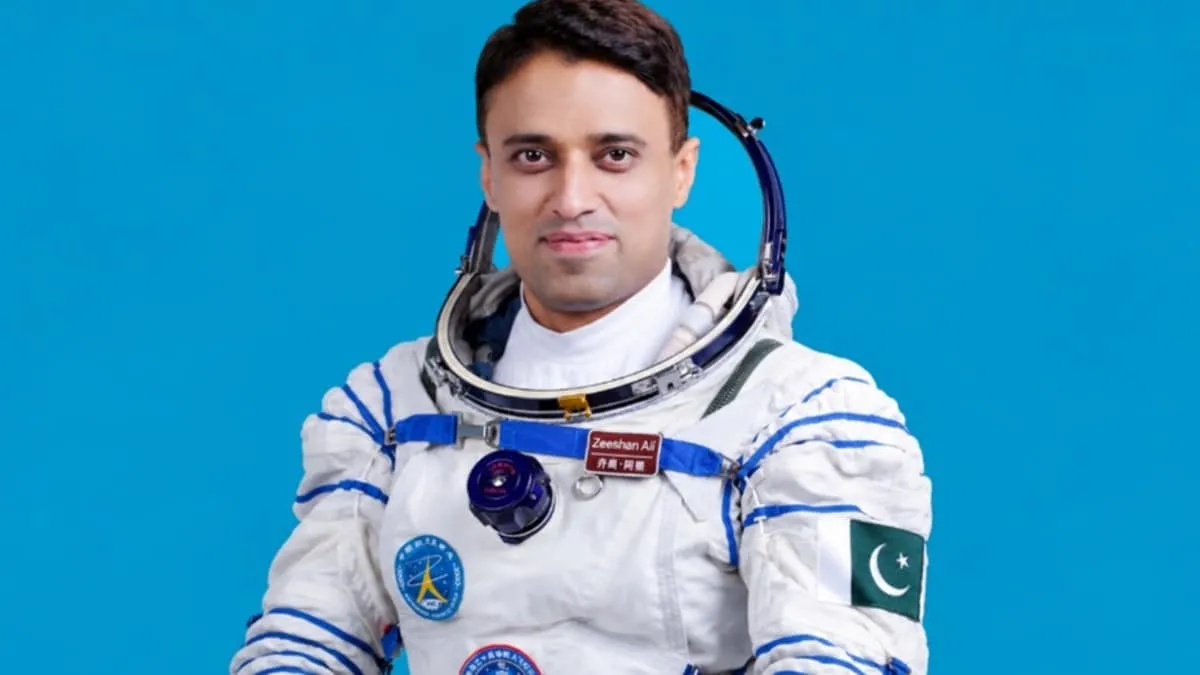
Pakistan's first orbital astronaut, Wing Commander Muhammad Zeeshan Ali, has reportedly offered prayers aboard China's Tiangong Space Station during his historic mission. Social media posts claim that the Pakistani astronaut performed prayers while aboard the orbital laboratory, which travels approximately 400 kilometers above Earth's surface. This milestone event marks a unique intersection of modern space exploration and personal religious observance, drawing significant public attention across Pakistan and internationally.
Ali made history on November 25 when he became the first Pakistani to enter Earth's orbit and the first foreign astronaut to board China's space station. His journey represents a massive leap forward for Pakistan in the field of crewed spaceflight and international scientific cooperation. As nations increasingly collaborate on orbital stations, accommodating the diverse cultural and personal needs of visiting astronauts has become a vital part of mission planning.
Religious Arrangements and Dietary Support in Orbit
China also made special dietary arrangements for the Pakistani astronaut ahead of his arrival. Researchers at the China Astronaut Centre prepared more than 100 halal food options, including beef nihari, lamb korma, butter chicken and curried chickpeas. These arrangements were designed to accommodate his dietary requirements, nutritional needs and cultural preferences during the mission, ensuring he remained healthy and focused while working in microgravity.
The provision of culturally appropriate food highlights the meticulous preparation undertaken by space agencies before hosting international crew members. Maintaining proper nutrition in space is essential for physical endurance, bone density preservation and cognitive function. By supplying specialized meals, the mission team ensured that Ali could perform his demanding duties without compromising his dietary principles.
Background of Pakistan s Historic Space Mission
The 40-year-old Pakistan Air Force pilot travelled aboard China's Shenzhou-24 spacecraft alongside Chinese astronauts Tang Hongbo and Wu Yi. His selection for this flight followed rigorous training and preparation, reflecting the strong technical ties between Pakistan and China in aerospace projects. The flight launched successfully, placing Ali into low Earth orbit where the Tiangong Space Station operates as a permanent outpost for scientific inquiry.
Ali is serving as a payload specialist, contributing to scientific research involving biotechnology, agriculture and advanced materials. Payload specialists focus on operating specific experiments rather than flying the spacecraft itself. His work on these specialized projects aims to yield valuable data that can benefit terrestrial industries, crop production and scientific knowledge back in Pakistan.
High-Level Communications From Earth
On November 28, Prime Minister Shehbaz Sharif and Field Marshal Syed Asim Munir spoke with Ali through a live video connection from SUPARCO headquarters in Islamabad. This high-level communication underscored the national importance of the mission and the pride taken by the country s leadership in Ali s achievements. During the call, leaders discussed the progress of the mission and the scientific experiments being conducted in orbit.
SUPARCO, the national space agency of Pakistan, has been coordinating closely with international partners to expand the country s footprint in space research. The live video link provided a morale boost for the astronaut and demonstrated the capability of modern communication technology to bridge the vast distance between Earth and the orbiting laboratory. Citizens across the nation tuned in to follow updates regarding the historic call.
Mission Timeline and Return Details
Ali is expected to spend between five and 10 days in orbit before returning to Earth aboard the Shenzhou-23 spacecraft. Short-duration missions like this one allow visiting specialists to complete specific research tasks and experience spaceflight before handing duties back to resident crews. The precise return date depends on orbital mechanics and operational schedules managed by mission control.
Upon his return, Ali will undergo post-flight medical evaluations and debriefings to assess the physiological effects of microgravity on his body. The data gathered from his short stay will contribute to medical understanding of human adaptation to spaceflight. Following quarantine and recovery protocols, he is expected to share his experiences with fellow pilots, researchers and the public in Pakistan.