Government Seeks Rs. 3.04 Per Unit Electricity Tariff Hike
Electricity consumers across the country face an extra financial burden totaling Rs. 95 billion. The federal government is preparing to recover this amount through consumer electricity bills for the months of October, November, and December. Following formal approval from the federal cabinet, the Power Division submitted a petition to the National Electric Power Regulatory Authority. The petition asks for a tariff increase of Rs. 3.04 per unit in electricity bills across all three specified months.
This request comes as part of ongoing adjustments under the fuel price adjustment mechanism. Households and businesses have experienced multiple tariff revisions throughout the year as authorities attempt to balance power sector costs. The latest filing aims to streamline the recovery of billions of rupees in fuel costs over the final quarter of the year, directly impacting monthly utility expenditures for millions of citizens.
NEPRA Hearing and Regulatory Process
The regulatory authority responsible for reviewing and deciding on the petition is the National Electric Power Regulatory Authority, commonly known as NEPRA. NEPRA will formally hear the petition filed by the Power Division on December 2. If the regulatory body grants approval, the decision will enforce an additional financial burden of Rs. 95 billion on electricity consumers.
The regulatory mechanism allows distribution companies to pass verified fuel cost variations on to end users under specific guidelines. Consumer representatives and industry stakeholders often participate in these hearings to present arguments regarding tariff adjustments. The upcoming session on December 2 will determine whether the requested average hike of Rs. 3.04 per unit takes effect in the billing cycle.
Breakdown of Monthly Fuel Price Adjustments
The requested average increase of Rs. 3.04 per unit is derived from calculations covering three distinct months, each carrying different projected fuel cost variations. Earlier projections and filings indicated an increase of Rs. 2.88 per unit had been sought specifically for October. Subsequent months show varying estimates calculated by energy authorities.
For November, the Ministry of Energy estimates an increase of 92 paisa per unit. Meanwhile, the government expects the December fuel price adjustment to require a much higher hike of Rs. 5.13 per unit. Combining these projected monthly figures resulted in the new petition asking for a standardized average increase of Rs. 3.04 per unit across all three months.
Comparison With Previous Electricity Price Increases
The newly requested rate of Rs. 3.04 per unit is higher than previous adjustments seen earlier in the year. Specifically, the requested rate sits 67 paisa per unit higher than the fuel adjustment recorded for September 2026. Consumers have faced a continuous series of similar fuel adjustment charges throughout the current year, raising concerns among household budgets and commercial sectors alike.
Power users were previously warned in August to prepare for another electricity price increase due to shifting fuel costs. Earlier in July, NEPRA approved higher fuel charges for electricity consumed in May, which immediately raised utility bills for the public. The accumulation of these frequent adjustments highlights the volatility in power generation expenses and the reliance on consumer-end recoveries.
Impact on Households and Businesses
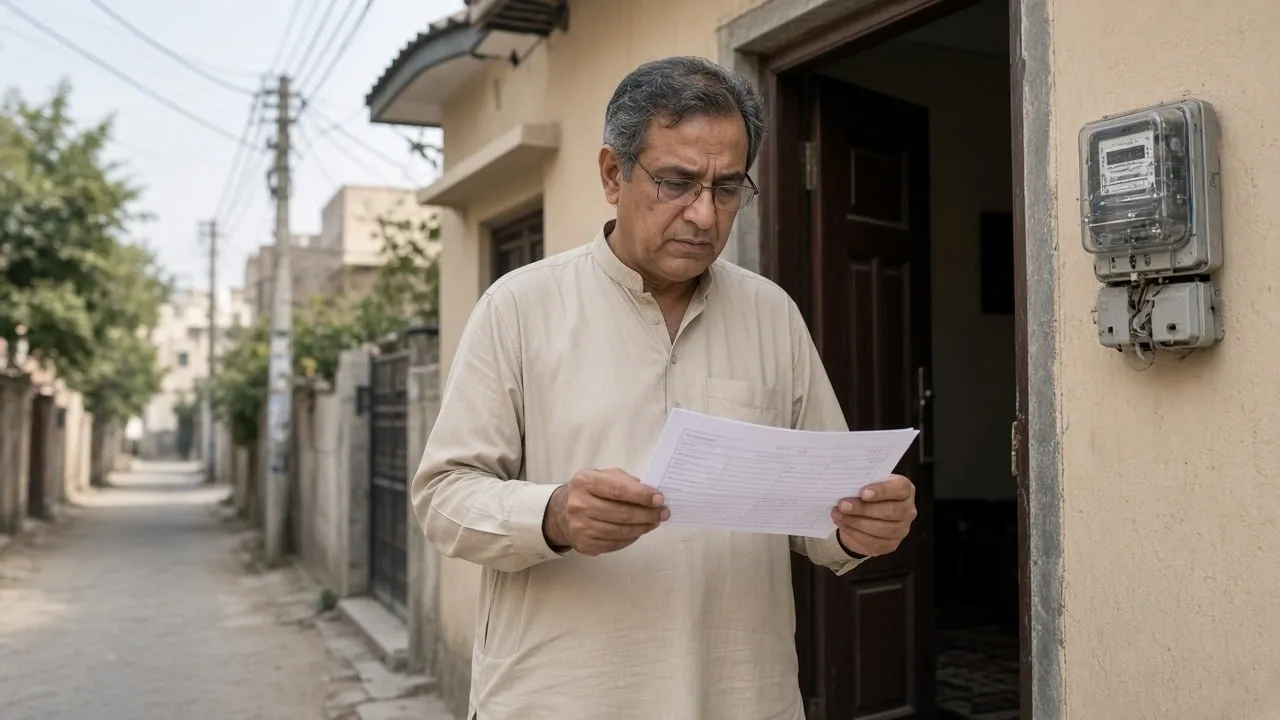
The addition of Rs. 95 billion in recovery charges places a heavy strain on domestic households and industrial operations. Electricity bills form a significant portion of monthly expenses for families, and sudden tariff spikes reduce disposable income. Small businesses, factories, and agricultural consumers also struggle with rising operational costs driven by continuous power tariff adjustments.
When utility prices increase, the cost of manufactured goods and local services often rises as well, contributing to broader financial pressures. Commercial enterprises must factor these recurring fuel adjustments into their pricing strategies, which can affect consumer demand across various markets. The forthcoming decision by NEPRA on December 2 will dictate how severely these sectors are impacted in the final months of the year.