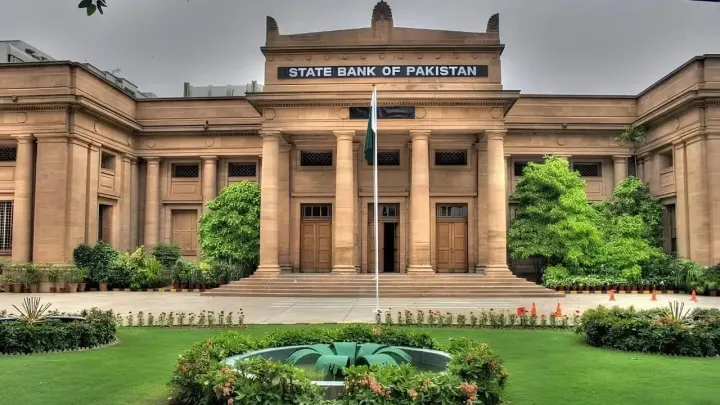
The Federation of Pakistan Chambers of Commerce and Industry expressed strong opposition to the State Bank of Pakistan increasing the policy rate by 0.5 percentage points to reach 12 percent, while pressing authorities to lower borrowing charges into single digits.
Atif Ikram Sheikh, who serves as FPCCI President, stated that the hike pushes up expenses for enterprises already burdened by expensive utilities, cash flow shortages, and steep operational costs.
Industrial growth, fresh investment, and the global competitiveness of Pakistani exports face threats from this stricter monetary stance, according to his warnings.
Sheikh pointed out that pricey credit creates severe hurdles for manufacturers and commercial entities needing cheap loans to sustain production, keep running, and generate employment.
Supply chain bottlenecks, climbing energy bills, and fiscal problems fuel inflation instead of excess demand, he explained.
Productive industries will bear heavier burdens from increased rates without fixing the real roots of inflation, he believes.
The business leader pressed the administration and monetary authority to adjust monetary strategy and lower the policy rate below 10 percent.
Small and medium businesses, traders, and large manufacturers need reduced borrowing expenses to upgrade technology, boost value-added output, and rival regional competitors, he noted.
Government and private borrowers also face higher debt-servicing expenses from elevated interest rates, which could worsen fiscal strain and restrict economic expansion, Sheikh added.
Economic policymakers, the federal government, and the central bank received demands from FPCCI to pursue a growth-friendly monetary strategy, match regional interest rate benchmarks, and consult commercial sectors prior to enacting policies impacting the economy.