The Pakistani rupee (PKR) closed at Rs 276.62 per US dollar on Wednesday, extending a streak of 280 consecutive days of appreciation against the greenback.
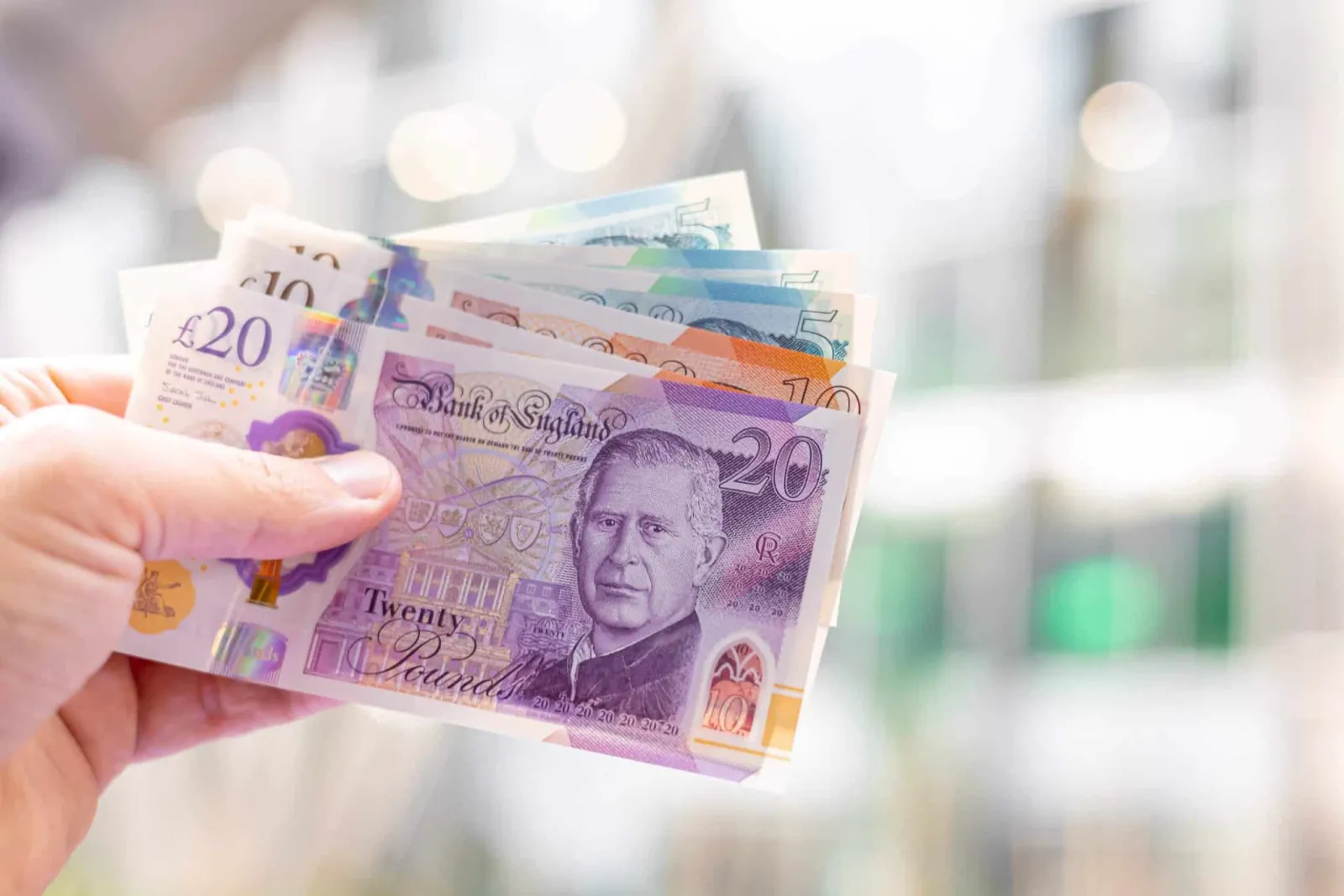
In the same session the rupee added almost Rs 4 to its value against both the euro (EUR) and the British pound (GBP), the strongest moves seen against those currencies in recent weeks.
Why the Rupee's 280-Day Run Matters
Since the start of the streak on 25 December 2025, the rupee has consistently posted modest gains against the dollar, a trend that contrasts sharply with the volatility that has characterised the market over the past decade. A prolonged rally can lower the cost of imported goods, ease pressure on inflation and improve the external debt servicing burden for the government.
Details of Wednesday's Closing Rates
Official closing figures released by the State Bank of Pakistan show the rupee at 276.62 against the US dollar, a three-paisas rise from the previous day's 276.59. The table below summarises the four-day price movement from 5 November to 11 November 2026 for the major foreign currencies.
| Currency | 05-Nov 2026 | 06-Nov 2026 | 10-Nov 2026 | 11-Nov 2026 | Change +/– |
| USD | 276.6701 | 276.6609 | 276.6522 | 276.6214 | 0.0308 |
| EUR | 311.0464 | 309.5006 | 311.9571 | 308.2807 | 3.6764 |
| GBP | 372.8268 | 370.6288 | 372.1526 | 368.5150 | 3.6376 |
| AUD | 194.0149 | 190.1905 | 191.4987 | 190.0666 | 1.4321 |
| MYR | 68.3643 | 68.2271 | 68.2418 | 67.8659 | 0.3759 |
| CNY | 41.4770 | 41.4796 | 41.4861 | 41.4715 | 0.0146 |
| CAD | 198.2588 | 196.6318 | 195.9849 | 194.5504 | 1.4345 |
| AED | 75.3305 | 75.3229 | 75.3287 | 75.3111 | 0.0176 |
| SAR | 73.7109 | 73.7074 | 73.7032 | 73.7058 | -0.0026 |
Performance Against Other Major Currencies
Beyond the dollar, the rupee posted the following gains on Wednesday:
- Rs 3.64 against the British pound (GBP)
- Rs 3.67 against the euro (EUR)
- Rs 1.43 against the Australian dollar (AUD)
- Rs 1.43 against the Canadian dollar (CAD)
- Two paisas gain against the UAE dirham (AED)
- Stable against the Saudi riyal (SAR)
What Drives the Rupee's Strength?
The State Bank of Pakistan has kept a tight monetary policy stance, raising the policy rate to curb inflation that peaked at 31 % in mid-2023. At the same time, foreign-exchange inflows from remittances, overseas investment and a modest rise in export earnings have added to the supply of foreign currency, supporting the rupee.
Another factor is the relative weakness of the US dollar in global markets, driven by lower demand for US Treasury securities and a modest easing of the Federal Reserve's rate hikes. When the dollar loses ground, emerging-market currencies such as the PKR often benefit.
Implications for Consumers and Businesses
For everyday Pakistanis, a stronger rupee can lower the price of imported fuel, machinery and consumer goods that are priced in foreign currencies. This effect can temper the inflationary pressure that has eroded purchasing power over the past two years.
Export-oriented businesses, however, may feel a pinch because a stronger rupee makes Pakistani products relatively more expensive abroad. Companies in textiles, leather and agricultural processing will need to monitor margins closely.
What to Watch Going Forward
Analysts will keep an eye on three key indicators:
- Official foreign-exchange reserves - a buffer that can be used to intervene in the market if the rupee weakens.
- Domestic inflation trends - if price pressures ease, the central bank may hold rates steady, supporting the currency.
- Global dollar movements - any renewed strength in the US dollar could reverse the current gains.
There is no announced change to the State Bank's policy rate as of the latest meeting on 9 November 2026, so the current trajectory is likely to continue unless external shocks intervene.
Historical Context of the Rupee's Recent Rally
The 280-day streak began after the rupee fell to a historic low of Rs 300 per dollar in late 2024. The subsequent policy tightening, combined with a gradual recovery in export volumes, turned the tide. Since 25 December 2025 the rupee has risen by an average of 0.02 % per trading day against the dollar, a modest but steady climb.
Historically, such long-lasting rallies are rare for the PKR, which has traditionally experienced short-term spikes followed by rapid corrections. The current pattern suggests a degree of market confidence that was absent during the 2018-2020 period of sharp depreciation.
How the Currency Market Operates in Pakistan
The foreign-exchange market in Pakistan is a hybrid system. The State Bank publishes a daily reference rate, but actual trading occurs in the inter-bank market and through authorised dealers. The reference rate is calculated from the weighted average of the last 30 trades of each currency pair.
When the rupee moves consistently in one direction, the central bank may intervene by buying or selling foreign currency to smooth volatility. No intervention was reported for the 11 November 2026 session, indicating that market forces were sufficient to set the rates.
Takeaway for Readers
For consumers, the immediate benefit is a likely reduction in the cost of imported items, which may reflect in lower retail prices for fuel and electronics. Businesses that rely on imports should anticipate lower input costs, while exporters should prepare for possible margin compression.
Overall, the rupee's performance underscores the impact of disciplined monetary policy and external inflows on stabilising Pakistan's economy.