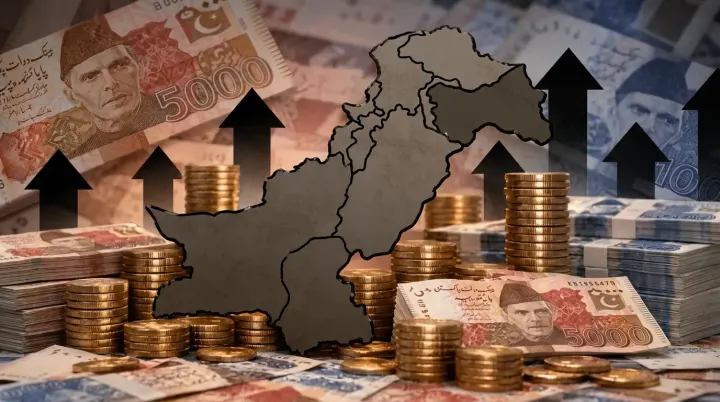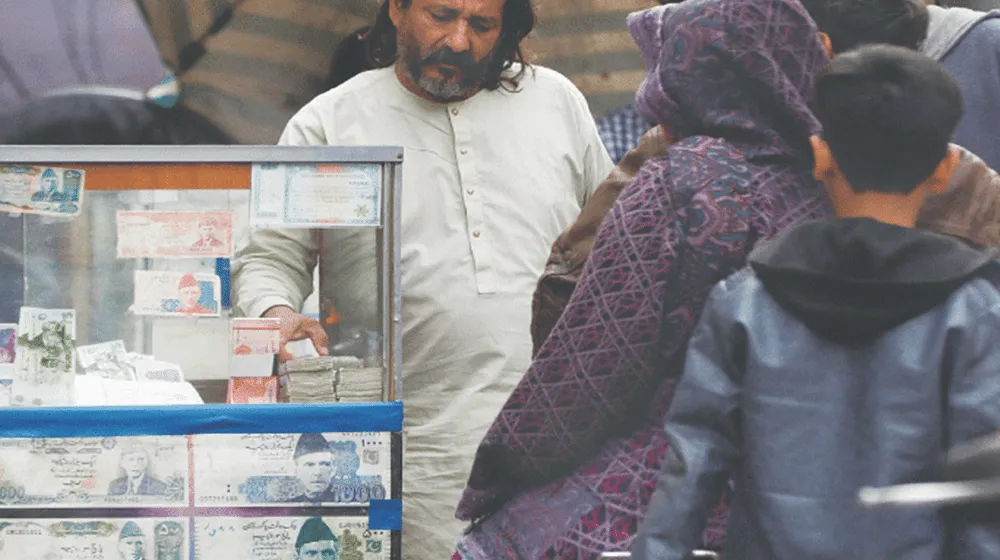
The Pakistani rupee (PKR) closed in green against the US Dollar (USD) for the 290th consecutive day on Wednesday, ending the session at 276.46 per dollar after a one-paisa gain.
The streak, which began on 25 December 2025, has made the rupee one of the few emerging-market currencies to post daily gains for almost a year. Analysts say the trend reflects a mix of tighter monetary policy, improved foreign-exchange reserves and a modest rebound in export earnings.
Why the Rupee's Long Winning Streak Matters
Extended periods of currency appreciation are rare in Pakistan's recent monetary history. The last comparable run occurred in the early 2000s, when the rupee appreciated for 212 consecutive days following a series of IMF-backed reforms. A 290-day streak therefore signals a potentially lasting shift in market sentiment.
For ordinary Pakistanis, a stronger rupee reduces the cost of imported goods, from fuel to food items, and eases the burden of foreign-currency debt. For businesses, it lowers the price of imported raw materials and equipment, improving profit margins. The government also benefits because a firmer rupee helps contain inflation, a key target of the State Bank of Pakistan (SBP).
Background: What Drove the Rupee's Rise Since December 2025?
Three inter-related factors have underpinned the rupee's gains since the end of 2025:
- Monetary tightening: The SBP raised its policy rate by 150 basis points in January 2026, moving the benchmark from 12.0 % to 13.5 %. Higher rates attracted short-term capital inflows and curbed domestic demand for dollars.
- Reserve buildup: Official foreign-exchange reserves rose to US$13.2 billion by November 2026, driven by a surge in remittances and a modest increase in export receipts, especially in textiles and leather.
- Fiscal discipline: The 2026 budget trimmed non-defense spending and introduced tighter controls on public-sector wages, helping to narrow the fiscal deficit to 4.3 % of GDP.
These measures have collectively improved investor confidence, prompting a gradual rotation of funds into Pakistani assets and supporting the rupee's upward trajectory.
Current Exchange Rates: A Detailed Look at November 2026
The table below captures the rupee's daily closing rates against major currencies from 19 November to 25 November 2026. The modest change of +0.0064 against the US dollar over the week reflects the one-paisa gain on Wednesday.
| Currency | 19-Nov 2026 | 20-Nov 2026 | 23-Nov 2026 | 24-Nov 2026 | 25-Nov 2026 | Change +/- |
| USD | 276.5205 | 276.5132 | 276.5027 | 276.4708 | 276.4644 | 0.0064 |
| EUR | 303.7854 | 303.2244 | 303.6968 | 301.8232 | 302.5350 | -0.7118 |
| GBP | 363.7213 | 362.2738 | 362.9236 | 360.8359 | 361.6984 | -0.8625 |
| AUD | 185.2964 | 184.2131 | 183.9020 | 183.1896 | 181.7339 | 1.4557 |
| MYR | 67.2227 | 67.2209 | 67.0798 | 67.1698 | 67.1438 | 0.0260 |
| CNY | 41.4881 | 41.4016 | 41.4898 | 41.4894 | 41.4244 | 0.0650 |
| CAD | 193.1009 | 193.0352 | 193.0413 | 192.5888 | 193.5416 | -0.9528 |
| AED | 75.2928 | 75.2857 | 75.2798 | 75.2773 | 75.2776 | -0.0003 |
| SAR | 73.7152 | 73.6995 | 73.6889 | 73.6764 | 73.6944 | -0.0180 |
Beyond the US dollar, the rupee posted mixed results. It lost 86 paisas against the British pound and 71 paisas against the euro, while gaining Rs. 1.46 against the Australian dollar. The currency was largely unchanged against the UAE dirham but slipped two paisas against the Saudi riyal.
How the Rupee's Movements Affect Everyday Pakistanis
When the rupee strengthens, imported fuel and diesel become cheaper, which can lower transport costs and, indirectly, the price of groceries. A stronger rupee also reduces the local-currency burden of overseas education loans and foreign-currency credit cards.
Conversely, exporters may see tighter margins because a stronger rupee makes Pakistani goods more expensive abroad. The textile sector, which accounts for roughly 60 % of export earnings, is closely watching the trend.
What the State Bank of Pakistan Is Doing Next
The SBP's next policy meeting is scheduled for 5 December 2026. Market watchers expect the board to review inflation data, which has held at 5.2 % year-on-year, and decide whether further rate adjustments are needed.
In parallel, the central bank continues to intervene in the foreign-exchange market to smooth volatility. Official statements indicate that the SBP will maintain a "flexible but prudent" stance, balancing the need to support the rupee with the imperative to avoid excessive appreciation that could hurt exporters.
Potential Risks to the Rupee's Upswing
While the current trajectory is positive, several risk factors could reverse the trend:
- External shocks: A sudden rise in global oil prices or a slowdown in remittance flows could drain reserves.
- Political uncertainty: Upcoming provincial elections in early 2027 may introduce policy volatility.
- Debt servicing pressures: Pakistan's external debt service obligations, due in the next 12 months, amount to US$1.8 billion, which could increase demand for dollars.
Investors and policymakers will be watching these variables closely as the rupee edges toward a historic low against the dollar.
Practical Takeaways for Readers
For consumers, the modest rupee gain means slightly lower prices for imported items and a marginal reduction in loan repayment amounts denominated in dollars. Businesses that rely on imported inputs should anticipate modest cost savings, while exporters may need to consider price adjustments to remain competitive.
Overall, the 290-day streak underscores a period of relative stability in Pakistan's foreign-exchange market, but vigilance remains essential as external and domestic factors evolve.