Pakistan Secures Historic Tuna Fishing Quota in the Indian Ocean
Pakistan has secured its first-ever tuna fishing quota of 25,000 metric tons from the Indian Ocean Tuna Commission, a development that could generate around $200 million in export earnings and open new investment opportunities in the country's seafood industry.
Federal Minister for Maritime Affairs Muhammad Junaid Anwar Chaudhry announced the development during a meeting with an eight-member Maldivian delegation led by Minister of Tourism and Civil Aviation Mohamed Ameen. This milestone allocation marks a major entry for the nation into regulated high-seas fisheries, establishing a formalized pathway to commercialize deep-sea marine resources that previously remained underexploited by domestic fleets.
Understanding the Indian Ocean Tuna Commission Quota
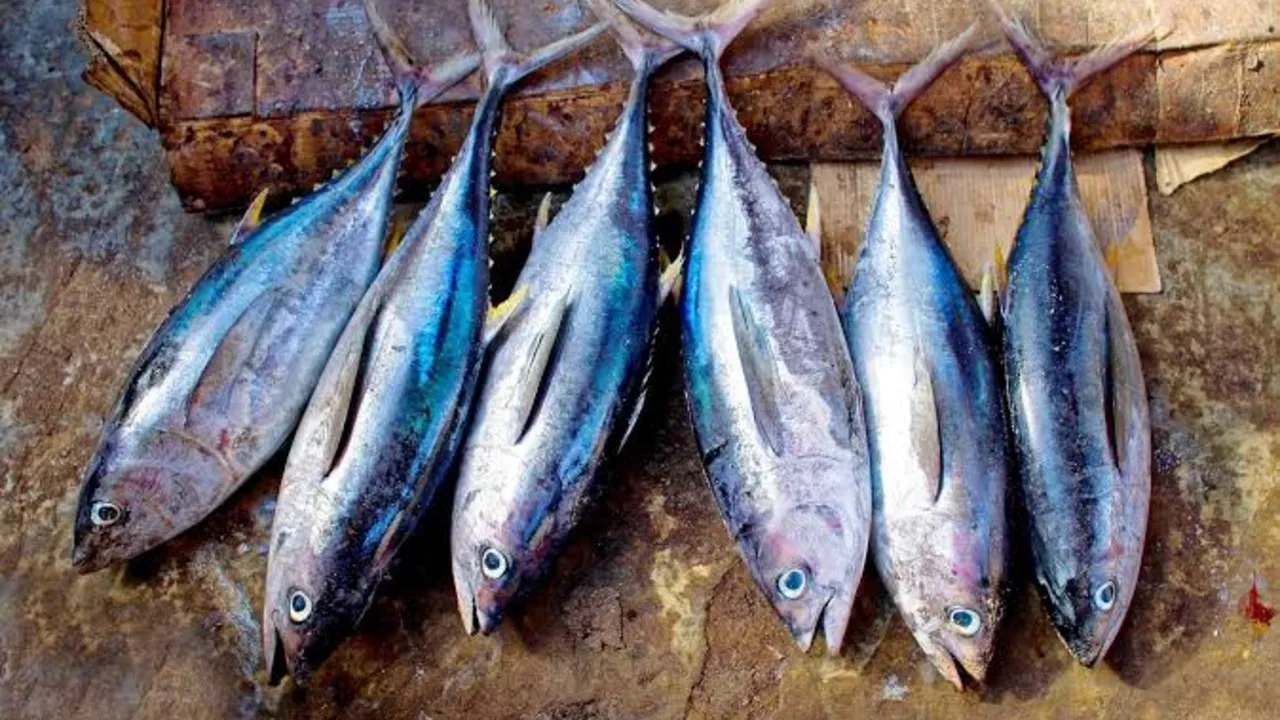
The newly acquired quota comprises 15,000 tonnes of yellowfin tuna and 10,000 tonnes of skipjack tuna. Chaudhry invited Maldivian investors to explore opportunities in Pakistan's emerging tuna-processing and canning industry, saying international partnerships could help expand exports and attract foreign investment.
The Indian Ocean Tuna Commission operates as an intergovernmental body mandated to manage tuna and tuna-like species across the region. Allocating quotas ensures that member states adhere to catch limits, protecting fish stocks from overexploitation while providing legitimate access to commercial fishing grounds. For Pakistan, managing this allocation requires strict oversight of vessel monitoring systems, catch documentation, and port state measures to comply with international standards.
Expanding the Seafood Industry and Export Potential
The minister said the quota creates significant potential for Pakistan's tuna sector, provided it is supported by sustainable fishing practices, policy reforms and investment in processing capacity. Transforming raw catches into high-value processed and canned goods allows local businesses to capture better margins in international markets.
Exporting processed seafood requires specialized cold chain infrastructure, certified packaging facilities, and compliance with stringent sanitary regulations enforced by importing nations. Upgrading domestic harbors and processing plants will form an essential part of meeting these global export requirements, allowing local firms to compete directly with established suppliers in the regional market.
Strengthening Bilateral Ties With the Maldives
During the meeting, both sides discussed opportunities to expand bilateral trade, improve transport links and strengthen maritime connectivity. They also explored cooperation in tourism, medical tourism, food security and medical equipment.
Chaudhry said a joint working group comprising representatives from both countries had already been established to identify trade and investment opportunities and develop recommendations to facilitate economic cooperation. This institutional mechanism ensures that diplomatic dialogue translates into actionable commercial projects rather than remaining purely theoretical.
Preparing for the December Delegation Visit
The working group is preparing proposals ahead of a high-level Pakistani delegation's planned visit to the Maldives in December. These proposals will focus on practical joint ventures, regulatory harmonization, and logistical improvements to facilitate cross-border trade.
Maritime transport connectivity remains a core challenge and priority for both island and coastal economies in the region. Establishing direct shipping routes or improving transshipment hubs can drastically reduce transit times for perishable seafood products destined for international buyers.
Developing the National Blue Economy
The minister said cooperation with the Maldives could help Pakistan develop its blue economy, attract investment and generate foreign exchange through the seafood industry while protecting marine resources. A sustainable blue economy balances commercial exploitation with environmental conservation, ensuring that fish stocks regenerate naturally year after year.
Investing in marine research, stock assessment, and habitat protection allows coastal nations to secure long-term prosperity from their maritime domains. As Pakistan takes its first formal steps into large-scale commercial tuna harvesting, careful balancing of industrial growth and ecological preservation will determine the lasting success of this historic maritime policy.