Pakistan Seeks Chinese Tech Help for Mechanized Rice Farming
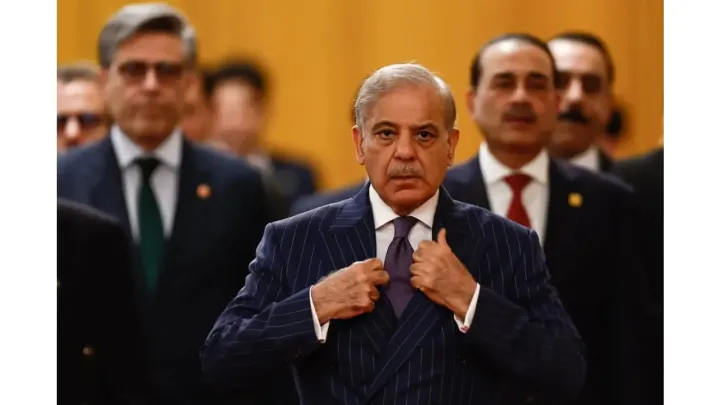
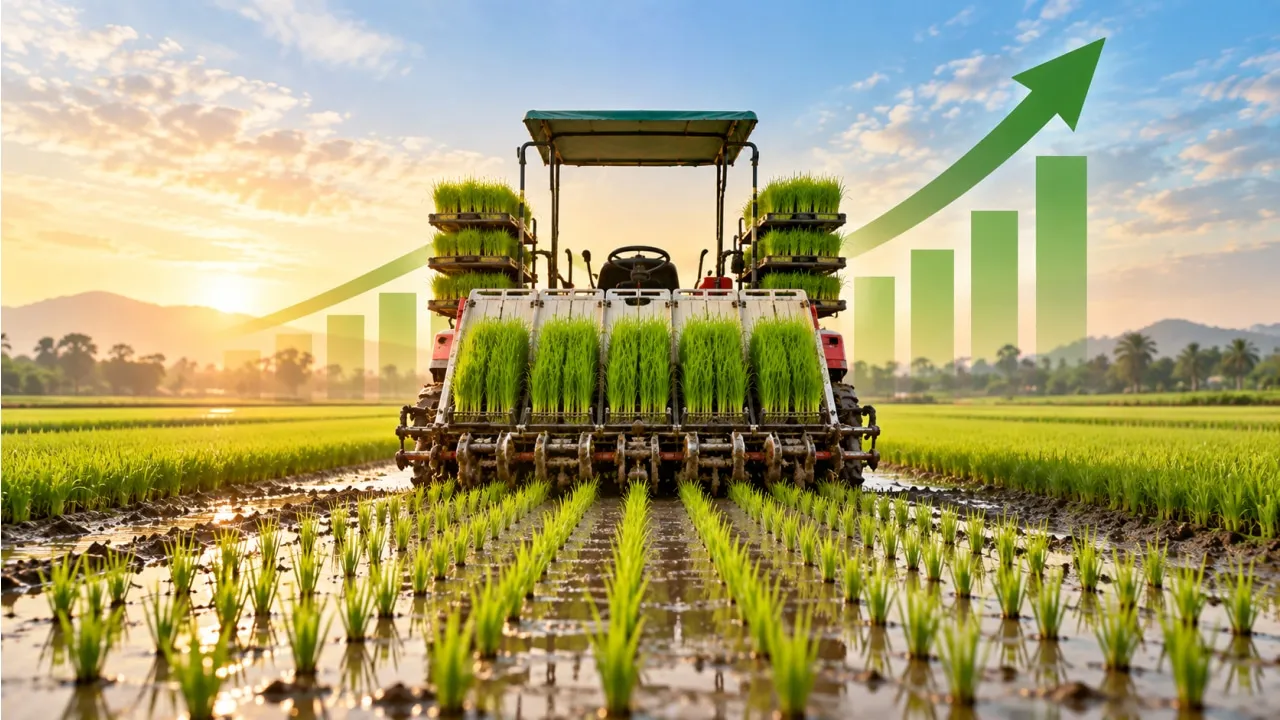
Pakistan is seeking Chinese cooperation to introduce mechanized rice planting, with Commerce Minister Jam Kamal Khan identifying it as the next practical step in agricultural collaboration between the two countries. During a meeting with business delegates from China, Hong Kong and Macau on the sidelines of the fourth FoodAg Pakistan exhibition, Jam Kamal encouraged Chinese companies to work with Pakistani businesses and farmers to improve agricultural yields, expand local processing and develop an exportable surplus.
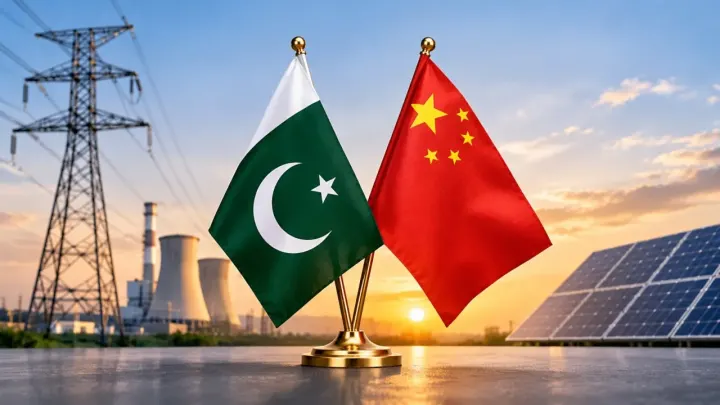
The push toward modernizing the agricultural sector comes as Islamabad looks for ways to deepen bilateral economic ties with Beijing. Agriculture remains a foundational pillar of the national economy, employing a vast share of the rural workforce and contributing significantly to the gross domestic product. By shifting away from manual labor-intensive methods toward advanced machinery, authorities hope to reduce operational inefficiencies and maximize output per acre.
Background on Pakistan and China Agricultural Ties
Bilateral cooperation between Islamabad and Beijing has expanded rapidly over recent years, moving beyond traditional infrastructure projects into agricultural technology and food security. Citing existing Pakistan-China cooperation on rice seed, the minister said mechanized rice planting could be a practical next area of collaboration. He also invited Chinese companies to establish joint ventures in agriculture, dairy, livestock, fisheries and food processing.
Joint research and development initiatives have previously focused on creating high-yielding seed varieties suited to local climate conditions. Expanding this partnership into heavy farm machinery represents a logical progression for both nations under existing bilateral frameworks. Chinese manufacturing expertise in agricultural equipment offers a direct solution for local growers seeking affordable and efficient alternatives to traditional hand-transplanting techniques.
Expanding Investment in Food Processing and Value Addition
The minister highlighted the potential of investment in farm technology, processing and packaging to increase agricultural production and expand exports of value-added food products. Modern packaging and processing facilities allow producers to minimize post-harvest losses, which historically plague the supply chain from the farm gate to international markets. Value addition transforms raw commodities into higher-margin consumer goods, improving profitability for local growers and processors alike.
Foreign direct investment in these sectors brings not only capital but also modern management practices and technical expertise. By upgrading domestic facilities, local enterprises can meet stringent international sanitary and phytosanitary standards required by lucrative destination markets overseas. This strategy aligns with broader government efforts to shift the national export profile away from raw commodities toward finished consumer goods.
Attracting European Investors to Agriculture and Livestock
In a separate meeting with business delegates from Germany, France, Italy, Belgium and the Netherlands, Jam Kamal highlighted investment opportunities in farm machinery, seed technology, agricultural services, dairy and meat processing. He said Pakistan's domestic market of around 250 million people offered significant opportunities for foreign investors. The minister also noted that Pakistan already exports around $400 million worth of meat, adding that investment in livestock production, animal health and processing could help the country meet demand in the Gulf, East Asia and Central Asia.
Engaging European trade partners involves highlighting regulatory reforms and market access benefits designed to reassure foreign corporations. He reaffirmed Pakistan's commitment to continued engagement with the European Union on GSP+ and outlined the government's trade reform agenda, including phased tariff reductions, regulatory easing through single-window operations, support for small and medium-sized enterprises, and export credit insurance through EXIM Bank.
Building Long-Term Food Supply Partnerships With Malaysia
During a meeting with Malaysian delegates, the minister urged importers to establish direct, long-term sourcing partnerships with Pakistani producers, particularly for rice and other food products. Establishing reliable supply chains requires predictable pricing structures and strict adherence to quality benchmarks set by international buyers. He said competitive pricing and consistent quality were essential to building reliable supply relationships. Stronger partnerships, he added, could encourage local producers to invest in processing capacity and expand output according to international demand.
These long-term agreements help insulate local farmers from seasonal price volatility by guaranteeing a steady demand for their harvests. As international food security concerns grow, importing nations increasingly prioritize diversified sourcing regions that can provide stable volumes of staple grains. Strengthening trade ties with Southeast Asian partners creates diversified export destinations for local agricultural output.