Pakistani Youngsters Make Big Gains in Latest ICC Test Rankings
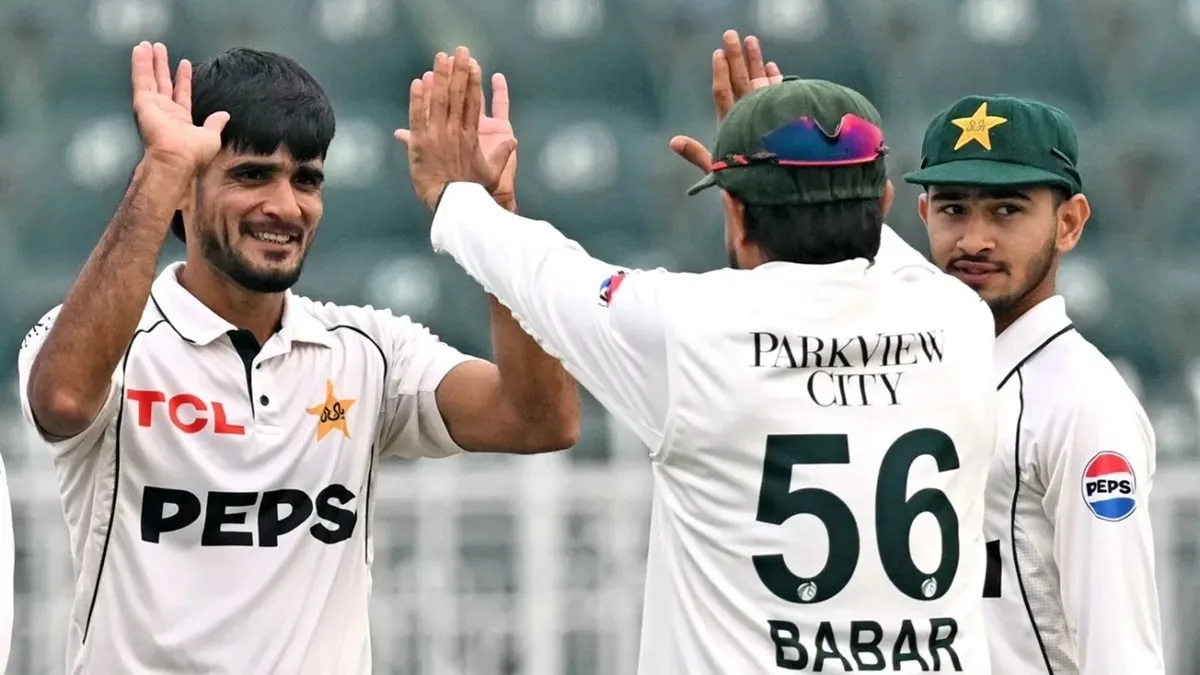
Pakistan's young batter Azan Awais and fast bowlers Aamer Jamal, Saqib Khan, and Razaullah have made significant gains in the latest International Cricket Council (ICC) Test rankings following their performances in the second and final Test against Sri Lanka. While the young players moved up the rankings, several established Pakistani batters, including Babar Azam and Saud Shakeel, lost ground in the updated lists released by the governing body.
International cricket ratings fluctuate constantly based on recent player performances, series outcomes, and individual match contributions. The latest update reflects the impact of the second and final Test match between Pakistan and Sri Lanka, showcasing contrasting fortunes for veterans and emerging talents within the national setup. Observers and fans closely monitor these position shifts to gauge the form and trajectory of national team members on the global stage.
How Pakistan Test Batters Fared in the Rankings
In the Test batting rankings, Saud Shakeel dropped two places to 12th with 700 rating points, while Pakistan's Test captain Babar Azam slipped two spots to 18th with 663 points. Wicketkeeper-batter Mohammad Rizwan also fell two places to 36th, while former captain Shan Masood dropped two spots to 38th with 574 points.
Opening batter Abdullah Shafique slipped four places to 50th with 545 points, while Salman Ali Agha dropped one position to 57th with 530 points. Imam-ul-Haq also fell three places to 67th. However, young batter Azan Awais made an impressive jump of 22 places to reach 78th with 423 rating points, providing a bright spot for the batting department.
At the very top of the international batting table, England's Harry Brook and Joe Root occupy the top two positions in the Test batting rankings, respectively. They are followed closely by South Africa captain Temba Bavuma in third place, setting a competitive benchmark for batters worldwide.
Changes in the International Bowling Standings
In the bowling rankings, Pakistan spinner Noman Ali retained his 11th position with 761 points, while Mohammad Abbas climbed two places to 12th with 743 points. Shaheen Shah Afridi dropped one place to 34th, while Sajid Khan remained 35th with 575 points. Hasan Ali also retained his 44th position with 472 points.
Meanwhile, Aamer Jamal recorded a major improvement, jumping 23 places to 64th with 350 points. Young pacer Saqib Khan climbed nine places to 68th with 334 points, while Razaullah entered the top 100 after moving up 22 places to 96th.
Among international bowlers, Australia's Mitchell Starc retained the top position. India's Jasprit Bumrah climbed three places to second, while England's Ollie Robinson moved up two positions to join him in second place.
Background and Context of ICC Test Rankings
The International Cricket Council maintains a comprehensive rating system that evaluates players based on their recent performances in official Test matches. Points are calculated using a complex algorithm that takes into account the strength of the opposition, the match outcome, and individual contributions with bat or ball. A player's rating goes up or down after every completed match, reflecting their current form rather than career totals.
For national teams like Pakistan, international rankings serve as an important indicator of squad depth and individual readiness. While senior players experience dips due to inconsistent scores in recent outings, the rapid ascent of younger squad members signals a shifting dynamic within the dressing room. Development pathways and domestic performance feed directly into these international breakthroughs.
Implications for the National Cricket Team
The recent adjustments in the standings highlight both challenges and opportunities for the Pakistan cricket setup. Senior figures needing to recapture their best form face pressure from emerging alternatives who are seizing their chances in the international arena. Performance metrics from matches against Sri Lanka show that youthful energy can translate into ranking gains even when veterans struggle.
Coaches and selectors analyze these position changes alongside match statistics to plan future series and squad selections. As the global calendar continues, players who improved their standing will look to consolidate their gains, while those who slipped will aim to reverse the trend in upcoming fixtures.