Punjab Expands Oncology Care with New Cancer Treatment Centers
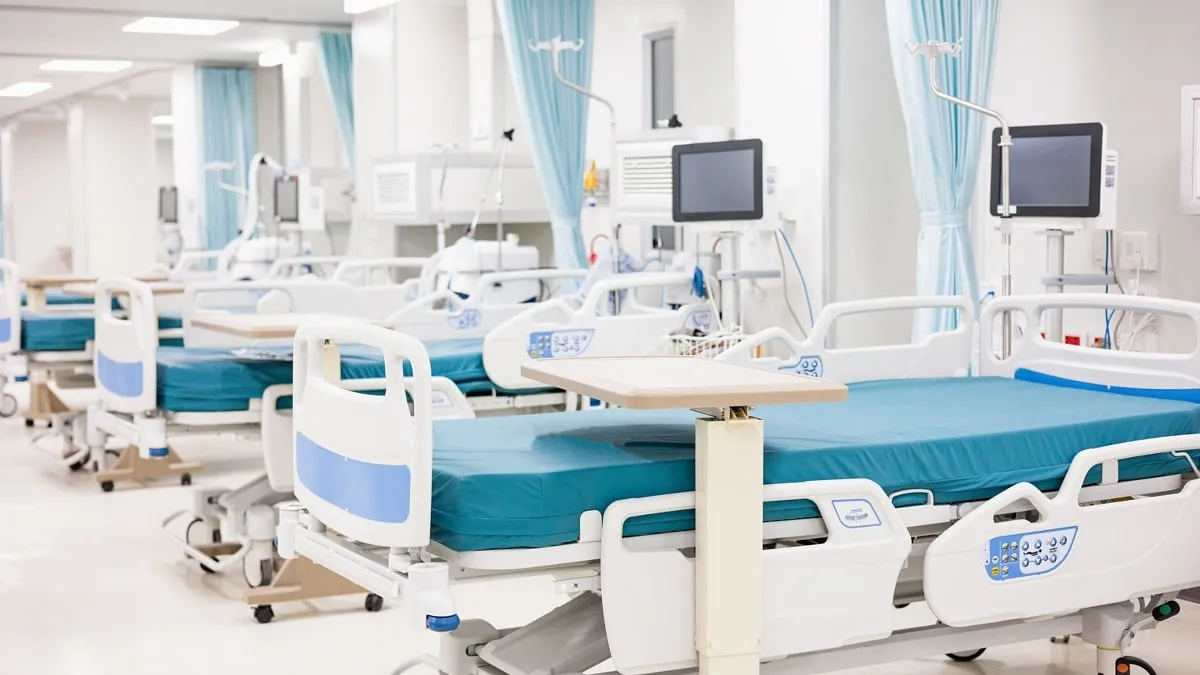
The Punjab government has decided to establish six new cancer treatment centers, each with 100 beds, in Bahawalpur, Faisalabad, Sargodha, Gujranwala, Sahiwal, and Rawalpindi. This ambitious healthcare expansion aims to address the growing medical needs of citizens residing outside the provincial capital. By placing high-capacity medical facilities across multiple regions, authorities hope to bridge the gap in specialized treatment availability.
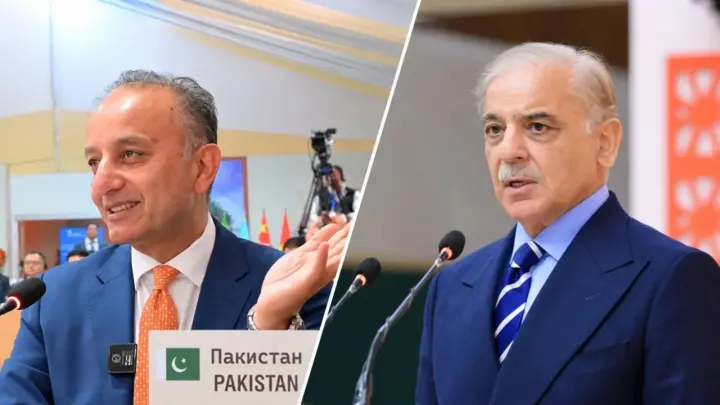
The initiative was discussed during a meeting at the Specialized Healthcare and Medical Education Department, jointly chaired by Provincial Health Minister Khawaja Salman Rafique and former Punjab Chief Secretary Captain (Retd.) Zahid Saeed. Officials reviewed the preliminary plans, logistical requirements, and infrastructural needs for the upcoming regional hospitals. The administrative framework is being finalized to ensure rapid execution of the project.
Speaking on the occasion, Khawaja Salman Rafique said Chief Minister Maryam Nawaz had directed the expansion of cancer treatment facilities to ensure patients across Punjab have access to international-standard medical care. The leadership emphasized that regional equity in healthcare remains a top priority for the provincial administration. Patients who previously faced immense logistical hurdles will soon find comprehensive medical resources closer to home.
Services Provided at the New Regional Hospitals
He said the six new centers would provide modern diagnostic and treatment services, reducing the need for patients to travel to other cities for specialized care. The concentration of advanced oncology services in major metropolitan areas historically forced families to undertake long and expensive journeys. Decentralizing these services brings critical care within geographic reach of ordinary citizens.
The facilities will offer a comprehensive suite of medical procedures required for effective oncology management. Patients will no longer need to seek basic interventions at distant institutions. The proposed medical services include:
- Modern cancer diagnosis
- Chemotherapy treatments
- Radiotherapy sessions
- Surgical interventions
- Brachytherapy procedures
- Mammography screenings
Providing these modalities under one roof ensures continuity of care. Multidisciplinary teams of oncologists, surgeons, and radiologists will coordinate treatment plans locally.
Background of Healthcare Infrastructure Development in Punjab
The decision to build these regional hospitals builds upon previous administrative discussions and ongoing medical projects within the province. Healthcare planners have long recognized the strain placed on major teaching hospitals in Lahore and other central hubs. Patients often endure long waiting lists for diagnostic scans and surgical slots due to high patient volumes.
Meanwhile, the provincial government is also constructing the Nawaz Sharif Institute of Cancer Treatment and Research in Lahore at an estimated cost of Rs. 75 billion. This flagship facility serves as the anchor project for oncology advancements in the region. The simultaneous development of the Lahore institute and the six regional centers represents a multi-pronged strategy to combat the disease.
Administrative departments are coordinating funding allocations and land acquisition for the six new sites. Technical committees are drafting equipment procurement lists to ensure each 100-bed facility receives state-of-the-art machinery. Operational timelines will depend on the speed of civil works and medical equipment importation.
Impact on Patients and Regional Healthcare Access
The establishment of 100-bed facilities in Bahawalpur, Faisalabad, Sargodha, Gujranwala, Sahiwal, and Rawalpindi directly affects thousands of families dealing with oncology diagnoses. Financial strain often compounds the emotional trauma of a cancer diagnosis when families must pay for travel and lodging in distant cities. Local treatment options reduce these secondary economic burdens significantly.
Early detection remains a cornerstone of successful cancer therapy. By equipping the new centers with mammography and modern diagnostic tools, the provincial health apparatus hopes to catch malignancies at more treatable stages. Access to local radiotherapy and chemotherapy also reduces treatment abandonment rates caused by travel fatigue.
Local physicians and support staff will receive training to operate advanced machinery and adhere to established clinical protocols. This capacity-building initiative strengthens the overall medical ecosystem in each of the six targeted districts. Citizens can expect improved health outcomes as these specialized units become operational.