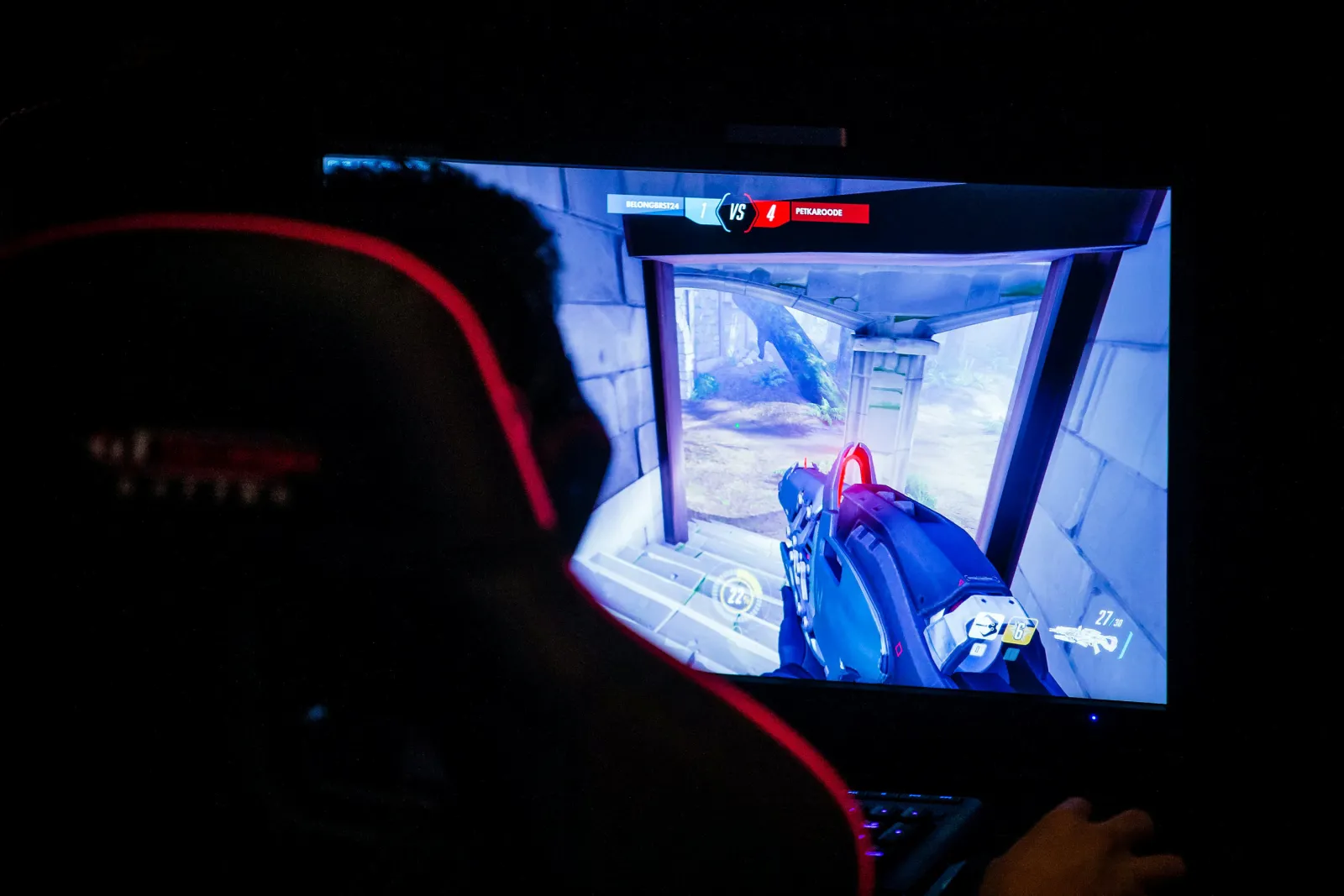
Seven out of 10 parents permit their children to play video games even though they lack full information regarding game content and age ratings.
Polling of 2,000 mothers and fathers who have children between the ages of seven and 16 revealed that 28 per cent feel most disconnected from gaming, surpassing online video viewing at 16 per cent, social media at 15 per cent, and sports at 10 per cent.
Over a quarter, specifically 28 per cent, stated that gaming is the hobby of their child they grasp the least, and 71 per cent depend on their children to clarify gaming vocabulary and issues.
Main worries for parents involved screen time at 35 per cent, running into inappropriate content at 28 per cent, and chatting partners during gameplay at 25 per cent.
Yet, 34 per cent felt that gaining more knowledge about their child's gaming would boost their confidence in making future choices.
Nintendo commissioned the study and introduced a fresh Parent's Guide to Gaming with Confidence, which addresses game age ratings, online safety, screen time, parental controls, and gaming experiences.
Family gaming expert and author of the guide Andy Robertson stated, This research matches what I find when helping parents worried about video games; the most important thing is gaining literacy about the video games their children enjoy.
He added, Rather than giving parents and carers another set of rules to enforce or actions to take, this approach empowers parents to make informed decisions about how video games work for their family.
Robertson also noted, Creating this guide in association with Nintendo was a chance to address fears and concerns, as well as build literacy, understanding and confidence.
Results indicated that help with managing screen time at 37 per cent, establishing parental controls at 32 per cent, and grasping game content at 30 per cent were top desired supports.
Furthermore, 24 per cent confessed that parental controls rank among the subjects they understand least.
Despite worries, 58 per cent thought video games build problem solving skills in children, while 45 per cent noted that gaming fosters teamwork and creativity.
Data from OnePoll.com also showed that 30 per cent believe gaming builds communication skills.
Additionally, 61 per cent join in playing video games with their child on a regular or occasional basis.
Child psychologist and founder of The Good Play Guide Dr Amanda Gummer stated, Technology is evolving so quickly that many parents feel they're being asked to navigate a world that didn't exist when they were growing up.
She continued, I see families trying to keep pace with new games, platforms and online trends, often without the information they need to feel confident.
Gummer added, Parents shouldn't be expected to have all the answers - access to trusted, practical guidance is key to helping families make informed decisions about gaming.
Among parents who game with their children, 44 per cent stated it brings more laughter, and 43 per cent reported it helps them comprehend their child's interests better.
The survey showed 38 per cent believe joint play sparks conversation, while 40 per cent noted stronger family bonds from shared gaming.
Games journalist and co-host Ellie Gibson said, A lot of the conversation around gaming focuses on the risks, but we don't always spend enough time talking about the positives.
Gibson stated, Gaming can be creative, social and a brilliant way for families to spend time together.
She concluded, Not all gaming experiences are the same, and understanding what children are actually doing when they play can give parents a much more balanced view of the role gaming has in their lives.