Medical researchers have given artificial intelligence-designed viruses to a human patient for the first time in an experimental therapy against a severe bacterial infection, a report by The New York Times states.
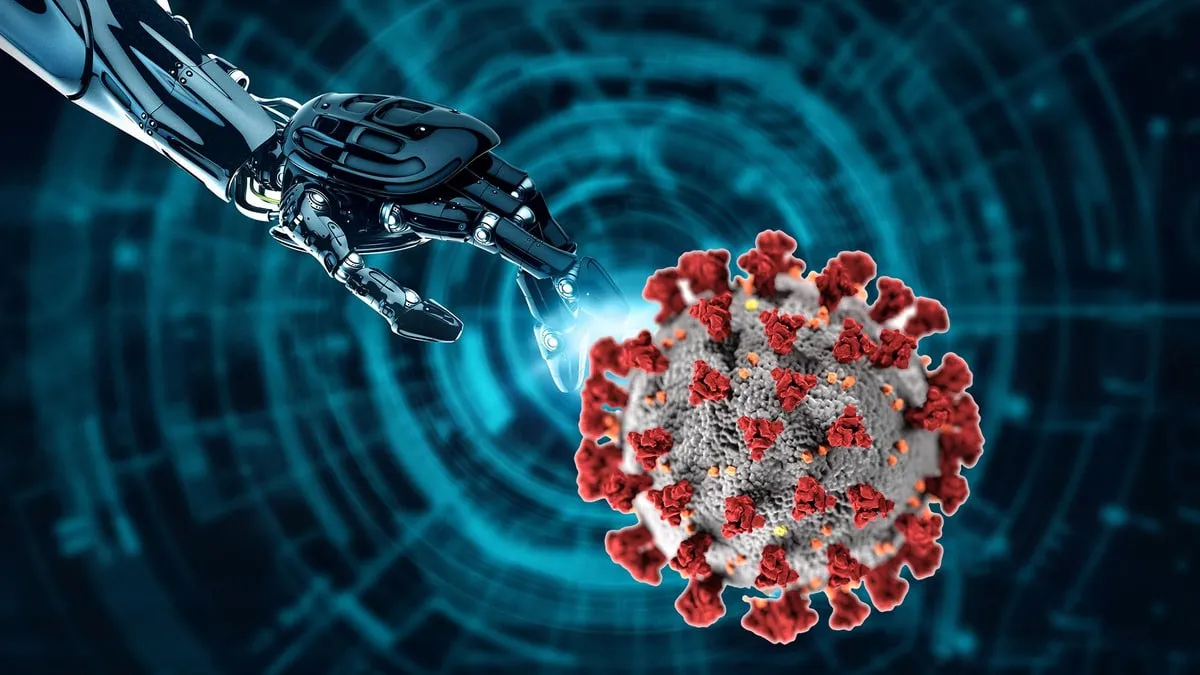
The therapy employs specially crafted viruses known as bacteriophages, or phages, that attack and destroy bacteria. Investigators hope the artificial intelligence-generated viruses can clear an E. coli infection that resisted antibiotics and standard phage therapies.
US biotechnology startup Radical Numerics created the viruses and announced the treatment on Tuesday, October 20.
The firm kept details about the patient and attending physicians private, pointing to confidentiality rules.
How AI Designed the Viruses
Radical Numerics built the treatment using its Omnii artificial intelligence model, which processes DNA sequences, protein structures, and other biological data.
The enterprise produced altered variants of a virus named T7 that focuses specifically on E. coli bacteria.
Scientists applied Omnii to redesign the leg-like structures of the virus, enabling it to latch onto bacterial strains that normal phages failed to infect.
Following the generation of new viral genomes, experts manufactured the matching DNA and placed it inside bacteria. Lab tests demonstrated that the altered viruses could infect and destroy the chosen bacteria.
The team then performed safety evaluations before supplying the viruses to physicians treating the patient.
FDA Authorizes Treatment
The US Food and Drug Administration granted authorization for the experimental therapy.
Radical Numerics withheld information on whether the patient recovered or if the treatment successfully eliminated the infection.
Technical findings from the company have not undergone peer review or publication in any scientific journal either.
Earlier AI Research
This work builds on studies performed at the Arc Institute in California.
Investigators built an artificial intelligence model named Evo 2 in 2025, training it on millions of DNA sequences, which included viral data.
The system produced about 700,000 viral genomes. Experts picked 285 designs for laboratory tests and discovered that 16 yielded viable viruses.
Three project researchers, including Dr. Eric Nguyen, subsequently founded Radical Numerics.
The startup unveiled Omnii in June 2026, an artificial intelligence platform built to process various biological data types.
Alongside designing viruses, the business investigates uses in cancer vaccine creation and spotting pandemic threats.
Faster Treatment for Resistant Infections
Radical Numerics thinks artificial intelligence could cut down the time needed to build personalized therapies for antibiotic-resistant infections.
Conventional phage therapy often requires long searches for viruses able to target a specific bacterial strain.
By employing artificial intelligence to build matching viruses, experts want to shrink the timeline to just days.
Chief executive Eric Nguyen stated that the group believes it can eventually manufacture personalized treatments within days.
Clinical evidence is still necessary, however, for researchers to prove whether artificial intelligence-designed phages can safely and successfully treat human infections.
The therapy marks an early clinical use of artificial intelligence-designed viruses, though its success remains unverified.