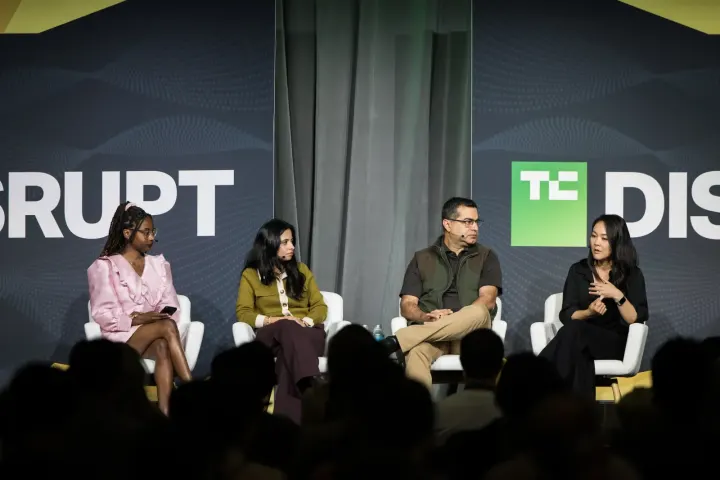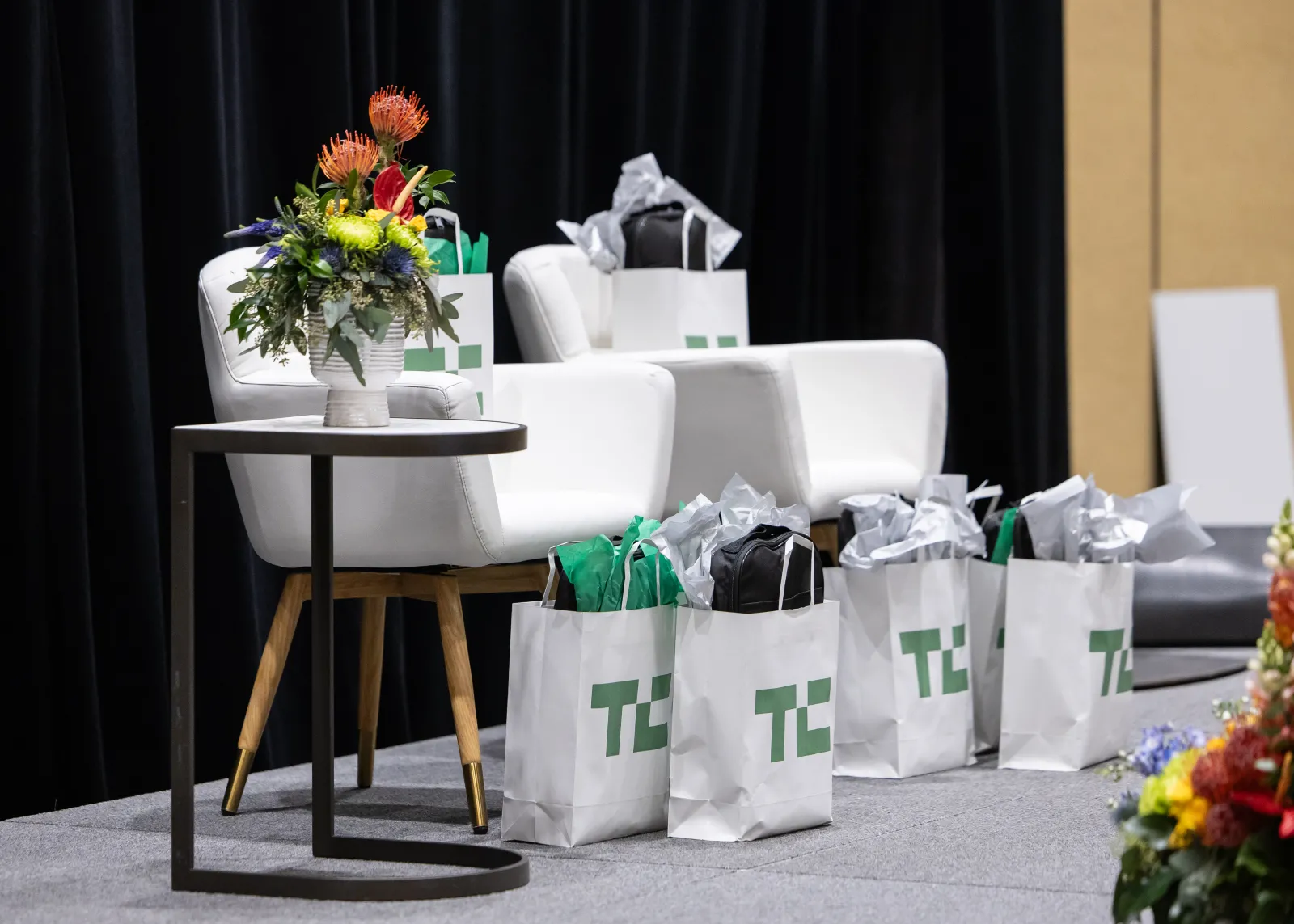
TechCrunch Disrupt highlighted the remarkable talent of the 2026 Startup Battlefield 200 cohort. Out of thousands of applications, organizers chose 200 promising startups to pitch and demonstrate their solutions live across three days.
From 20 finalists, TechCrunch editorial picked the top five companies to compete for the $100,000 equity-free prize and the Disrupt Cup. Intero Biosystems won the top award, with Apate securing second place.
The Startup Battlefield 200 also featured industry-defining companies on the Showcase Stage.
Best Showcase Stage pitch by industry group
Built World
Lola Vision Systems provides a full-stack AI platform delivering sensor fusion, secure communications, and real-time inference on today's hardware, with purpose-built silicon on the horizon.
Sustainability
Krokos Bio is growing nature's most valuable ingredients, in a way that is cheaper and more reliable, starting with saffron.
Enterprise Group 1
Rein Security is the security layer for custom-built enterprise agents, which are the production AI agents running businesses worldwide.
Enterprise Group 2
Lumai is the optical compute company addressing scalable AI in the inference era.
Health
Uhura Bionics has developed a bionic larynx for singing, laughing, and translating emotions.
Consumer
Maka is delivering developmentally curated shows parents trust and kids love, powered by AI.
Best Booth
Legali AI provides a trauma-informed AI legal companion and ecosystem for the middle class and AI-native firms, focusing on women who faced abuse. Their all-pink, female-focused booth stood out on the Expo Floor. Visitors wrote empowering messages to women on sticky notes and placed them on the banner while learning about the work. Founder Ira Puteri coordinated pink outfits each day.
Spirit of Disrupt award
The Spirit of Disrupt award went unanimously to Shogher Atanesyan, founder and CEO of Ardook Data. She first attended Disrupt as a volunteer in 2023. She contacted the Battlefield team last year to request a standalone Social Impact category in the Event App. Months later, she applied and made the competition on her own merits. Her company captures real-world household training data from a willing and paid caregiver network, then sells it to physical AI and robotics companies.
Atanesyan organized student volunteers to help startups manage booths, coordinated items shipped to her house to avoid high shipping costs, and hosted a party for founders at her home. She also aided founders with questions in the community Discord and weekly calls.