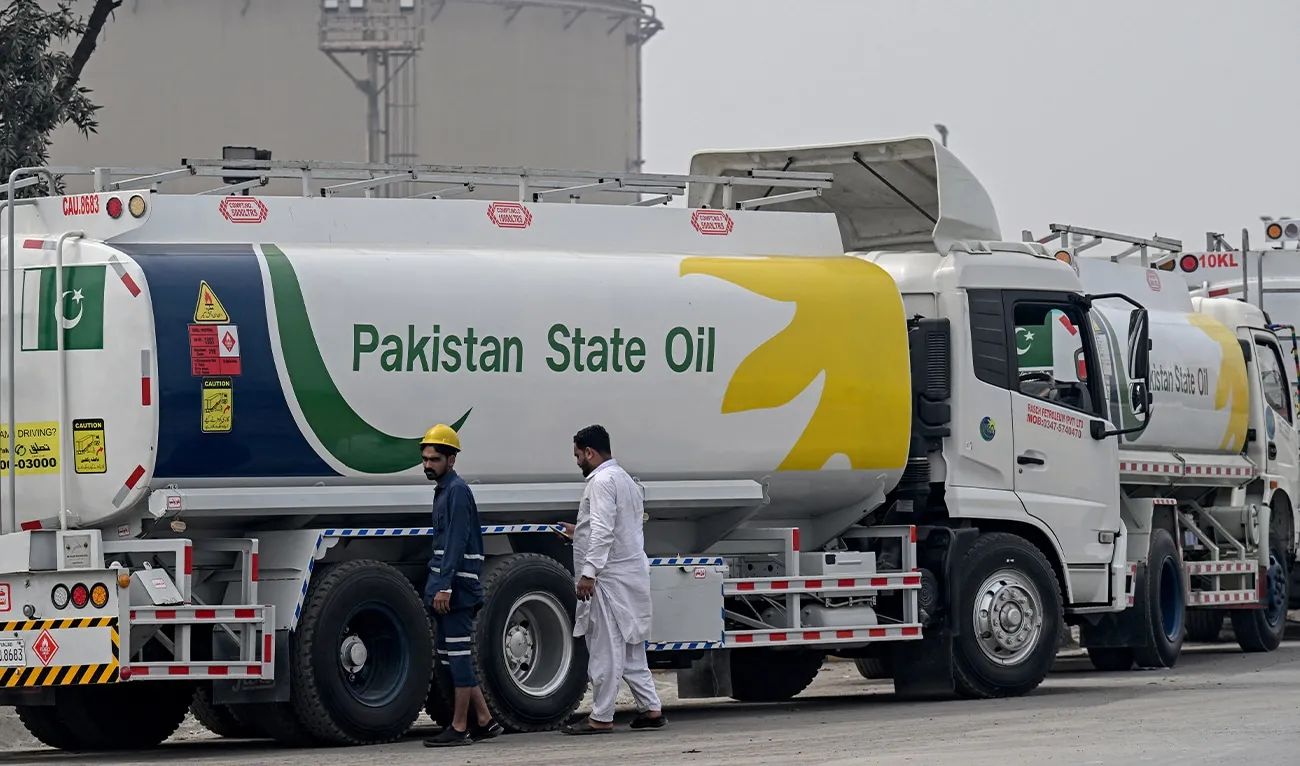
The federal government has decided to decrease the price of motor spirit petrol for the next 24 hours, according to the latest notification issued by the federal government. This adjustment marks the tenth consecutive reduction in fuel rates, bringing temporary relief to consumers navigating high inflation and cost of living pressures. Earlier, the International Monetary Fund demanded that the federal government end fuel subsidy for bikes and small cars, influencing how pricing structures are managed nationwide.
Under the new notification, the price of petrol has been cut by Rs. 2 per litre to Rs. 328 per litre. Simultaneously, diesel has been made cheaper by Rs. 2, bringing its new rate to Rs. 358 per litre. These ongoing daily revisions reflect a shifting pricing mechanism designed to align domestic rates with international market trends while adhering to strict fiscal consolidation targets set by global financial institutions.
Understanding the Consecutive Fuel Price Cuts
The streak of reductions began after a prolonged period of elevated energy costs that placed a heavy burden on transport networks, manufacturing sectors, and household budgets. On Friday, just prior to the latest announcement, the price of petrol was cut by Rs. 2 per litre to Rs. 330 per litre, while diesel was left unchanged at Rs. 360 per litre. The cumulative effect of ten straight drops has brought considerable downward movement from peak rates observed earlier in the autumn months.
Government officials monitor global crude benchmarks daily to determine these adjustments. When international oil markets experience downward corrections, the local pricing formula translates those drops into consumer-facing changes. However, the frequency of these alterations remains closely tied to broader structural adjustments agreed upon with international lenders.
The Role of International Monetary Fund Demands
A primary driver behind the recent overhaul of petroleum pricing policies is the ongoing dialogue between national authorities and the International Monetary Fund. The lender has consistently urged the administration to eliminate blanket subsidies on petroleum products, including targeted relief measures previously afforded to motorcycles and small vehicles. These subsidies, according to fiscal advisors, created unsustainable deficits in the national budget.
By phasing out price supports and shifting toward market-determined rates, the state aims to meet specific fiscal targets required for continued financial assistance. While removing subsidies initially caused sharp spikes in fuel expenses, subsequent global market dips have allowed retail rates to ease downward over the past ten pricing cycles without requiring direct government intervention or unbacked fiscal outlays.
Impact on Daily Commuters and Transport Sectors
Fuel costs dictate the price of nearly all consumer goods because logistics and public transportation rely heavily on motor spirit and diesel. Daily commuters using motorcycles, rickshaws, and personal cars feel the immediate effects of these price drops at filling stations across cities and rural districts. Lower diesel rates also reduce freight hauling expenses for agricultural produce and manufactured goods.
Despite the recent downward trend, overall transportation expenses remain high compared to historical baselines from earlier in the year. Businesses and logistics operators continue to adjust their operational budgets to account for the volatile nature of daily energy pricing. Consumers are advised to check daily notifications for updates, as the administration sets these specific rates on a short-term basis.





