What Is the Phota iPhone App and How Does It Work?
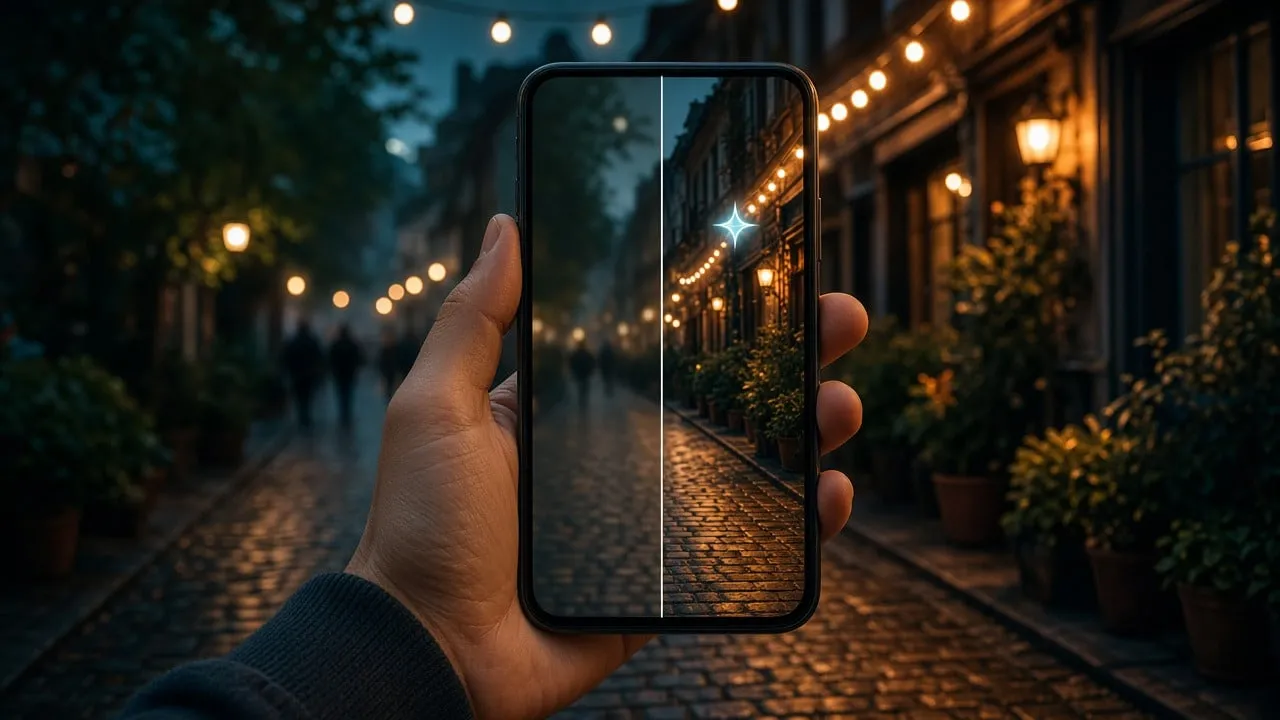
Phota Labs has launched Phota, a free iPhone app that uses specialized technology to rework everyday snapshots. The app can pick and edit photos from a user's camera roll automatically. The startup says its technology aims to preserve how people look even when it changes the framing or perspective of a shot.
Phota can turn a wide-angle group shot into a tighter portrait or make a selfie look like someone else took it. Users can choose styles that keep the original lens and composition or opt for bigger changes, such as a fisheye effect, a different angle, or a new perspective.
The application functions by analyzing existing image files stored directly on Apple mobile devices. Instead of requiring users to manually brush, crop, or adjust lighting levels through sliders, the software automates the entire process. By scanning the camera roll, it identifies candidate images that might benefit from compositional adjustments or framing corrections.
This automated approach targets individuals who want polished photographic results without spending time in traditional editing suites. The system evaluates the distance of subjects, background elements, and lighting conditions to apply modifications that look natural. Users retain the flexibility to accept these automated adjustments or select alternate visual styles depending on their personal preferences for each individual snapshot.
How Phota Preserves Your Likeness Compared to Other Tools
Co-founder Cecilia Zhang told TechCrunch that general-purpose artificial intelligence tools such as ChatGPT can change a person's appearance, particularly when the original photo is blurry. Phota Labs says it built its own technology to learn people's likenesses from photos and preserve them through edits. The app adds an invisible watermark that identifies edited images as artificial intelligence altered when they are shared on social platforms.
Maintaining facial integrity remains one of the primary hurdles in digital image modification. Standard generative models frequently alter facial structures, eye color, or skin texture when asked to reimagine a scene or adjust a perspective. The founders recognized this flaw in existing systems and engineered proprietary algorithms specifically trained to lock onto biometric markers and facial geometry.
By prioritizing facial consistency, the software ensures that individuals remain recognizable even when the surrounding environment, camera angle, or focal length undergoes radical transformation. This distinction matters for users who share personal memories with friends and family members who expect accurate visual representations. Furthermore, the inclusion of an invisible watermark addresses growing industry concerns regarding digital transparency and authentication across online networks.
The Background of Phota Labs Founders From Adobe
Zhang and co-founder Zach Xia met at Adobe, where they worked on computational photography products including Project Indigo, Lightroom and Photoshop. They saw room for an app that could fix a poorly captured shot and handle the editing automatically. Xia told TechCrunch that some beta users took more photos because they knew the app could improve them later.
Working at a major software corporation provided both founders with deep technical knowledge regarding image processing pipelines and user interface design. Their professional history involved developing advanced tools used by professional photographers and graphic designers worldwide. Drawing from that enterprise background, they shifted their focus toward consumer applications that simplify complex photographic corrections for everyday mobile users.
The realization that casual photographers often abandon poorly framed pictures motivated the creation of the startup. Beta testing confirmed that removing the friction of manual touch-ups encouraged participants to capture more spontaneous moments. Knowing that software could later rescue a flawed composition gave users greater confidence when taking pictures in fast-paced or difficult environments.
Who Benefits Most From the Phota App?
The startup is initially targeting people who take and share many photos and prefer to skip manual editing. The founders also see a use for parents putting together family albums and grandparents preparing photos to share with their grandchildren.
Modern smartphone owners accumulate thousands of images on their devices, yet only a fraction receive any attention or sharing. Busy parents often lack the time to sort through hundreds of slightly imperfect family pictures to find usable shots. Grandparents frequently desire clear, well-framed images of their younger relatives but may struggle with complicated mobile editing interfaces.
By automating the selection and enhancement phases, the software bridges the gap between casual capture and polished presentation. Social media enthusiasts also form a core demographic, as they constantly require fresh visual content for various online platforms. The ability to quickly convert a standard selfie into a compelling portrait without technical skills appeals directly to this active audience.
Funding, Pricing, and Future Android Availability
Phota Labs raised $5.6 million in a seed round led by Andreessen Horowitz in 2025. Phota is free on iPhone at launch. The startup plans to build an initial user base before exploring a freemium model and also plans to release an Android app.
Venture capital backing from prominent firms provides the young company with the financial runway necessary to scale its engineering operations and server infrastructure. Processing photographic data requires substantial computational resources, making early funding critical for maintaining application performance. The initial free release strategy prioritizes rapid user acquisition and community feedback over immediate revenue generation.
As the user community expands, the development team intends to introduce monetization features through a freemium structure while continuing to support the core offering. Android users will also gain access to the technology once the iOS platform version establishes a stable foundation. This methodical rollout allows the startup to refine its processing models and address technical challenges before expanding to alternative operating systems.