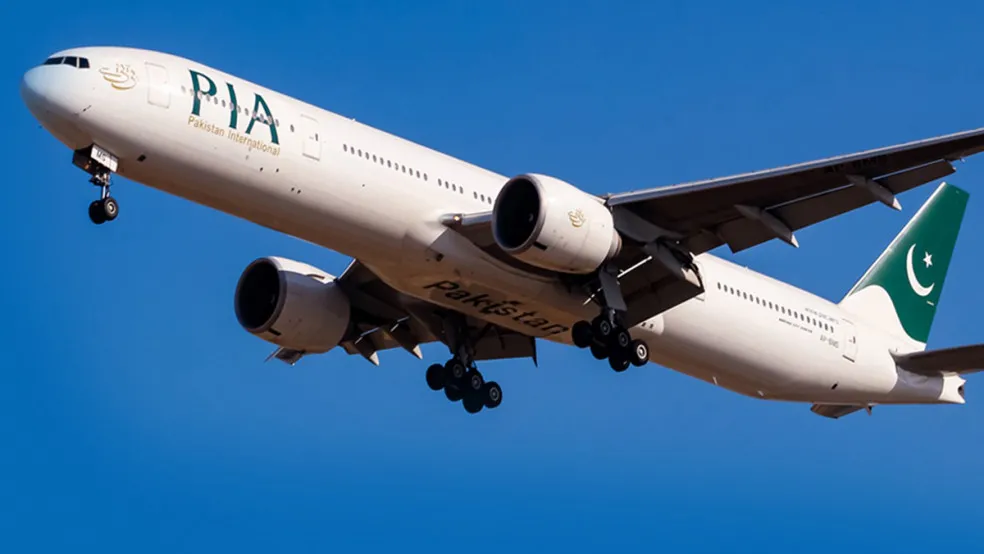
PIA Flight PK-702 Departs Manchester Airport Without More Than 50 Passengers
More than 50 passengers were left behind at Manchester Airport after Pakistan International Airlines flight PK-702 departed for Islamabad. Sources said the check-in counter closed ahead of schedule, preventing the passengers from boarding. The PIA information counter at the airport gave them no proper guidance or assistance.
Several passengers who had to travel urgently left for their destinations on other airlines after missing the flight. The remaining passengers are waiting for PIA to arrange alternative travel and provide compensation.
Background on PIA UK Operations and Manchester Route Resumption
Last October, PIA operated its inaugural flight from Islamabad to Manchester after a hiatus of about five years. PIA carrier resumed UK operations after receiving Third Country Operator approval. This resumption marked a major milestone for the national carrier after a prolonged absence from European and British skies following regulatory and safety hurdles that had grounded international routes to the region years prior.
The return of direct flights between Pakistan and the United Kingdom was welcomed by the diaspora communities in cities like Manchester, Birmingham, and London. Many travelers relied on these direct connections to visit family, conduct business, or handle urgent personal matters without enduring lengthy laycodes in the Middle East or elsewhere. The route holds significant economic and social importance for thousands of travelers who frequently commute between the two countries.
What Happened at Manchester Airport During the Incident
The disruption unfolded when airport check-in operations for flight PK-702 concluded earlier than scheduled. Travelers arriving for the departure found themselves locked out of the boarding process despite holding valid tickets and arriving within standard operational windows. Witnesses and sources at the terminal reported confusion as affected individuals attempted to find airline representatives to resolve the situation.
Compounding the frustration, the Pakistan International Airlines information counter at the airport provided no proper guidance or assistance to the stranded travelers. Without immediate support or clear instructions from airline staff, passengers faced a chaotic scramble to figure out their next steps in a busy international terminal.
Immediate Actions Taken by Stranded Passengers
Faced with a lack of communication from airline personnel, travelers began exploring alternative solutions independently. Several passengers who had to travel urgently left for their destinations on other airlines after missing the flight, purchasing new tickets out of pocket to reach Islamabad or connecting points. These unexpected expenses placed a heavy financial burden on individuals who had already paid for their original journeys.
Meanwhile, the remaining passengers chose to stay at the terminal or coordinate with local contacts while waiting for Pakistan International Airlines to arrange alternative travel and provide compensation. These travelers are demanding accountability from the airline for the premature closure of check-in desks and the subsequent lack of ground support.
Understanding Third Country Operator Approval and Regulatory History
The European Union Aviation Safety Agency and the United Kingdom Civil Aviation Authority enforce strict safety and operational standards for foreign carriers operating within their airspace. The Third Country Operator approval process requires airlines to demonstrate full compliance with international aviation safety management systems, fleet maintenance standards, and regulatory oversight from their home civil aviation authority.
Pakistan International Airlines faced a sweeping ban several years ago following safety concerns raised by international regulators regarding pilot licensing irregularities and oversight issues within the national aviation sector. The process of regaining access involved comprehensive audits, legislative reforms, and structural changes within the airline and the Pakistan Civil Aviation Authority to satisfy foreign safety inspectors before flights to destinations like Manchester could resume.
What Comes Next for Affected Passengers and the Airline
As the affected individuals await resolution, attention turns to how Pakistan International Airlines management handles compensation claims and alternative travel arrangements. Passenger rights regulations generally require airlines to provide care, including food, accommodation, and rebooking options, when passengers are denied boarding through no fault of their own or when flights experience severe disruptions.
Observers of the aviation sector will be watching to see whether the airline institutes stricter ground handling protocols at international stations to prevent similar communication breakdowns and operational errors. Ensuring reliable customer service and adherence to departure schedules is critical for the carrier as it works to rebuild trust and maintain its newly restored international routes.