Pakistan International Airlines Plans Major International Network Expansion
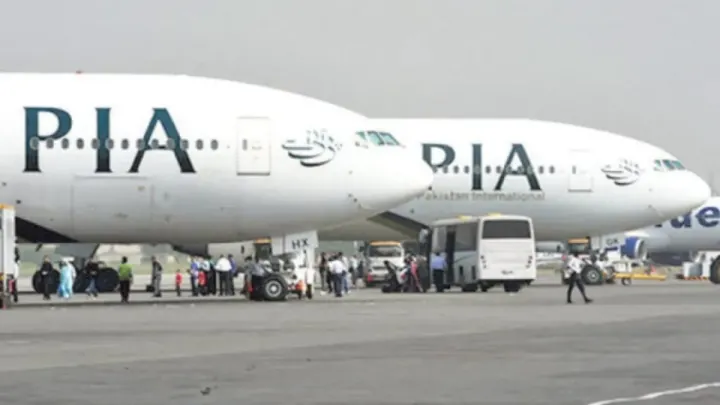
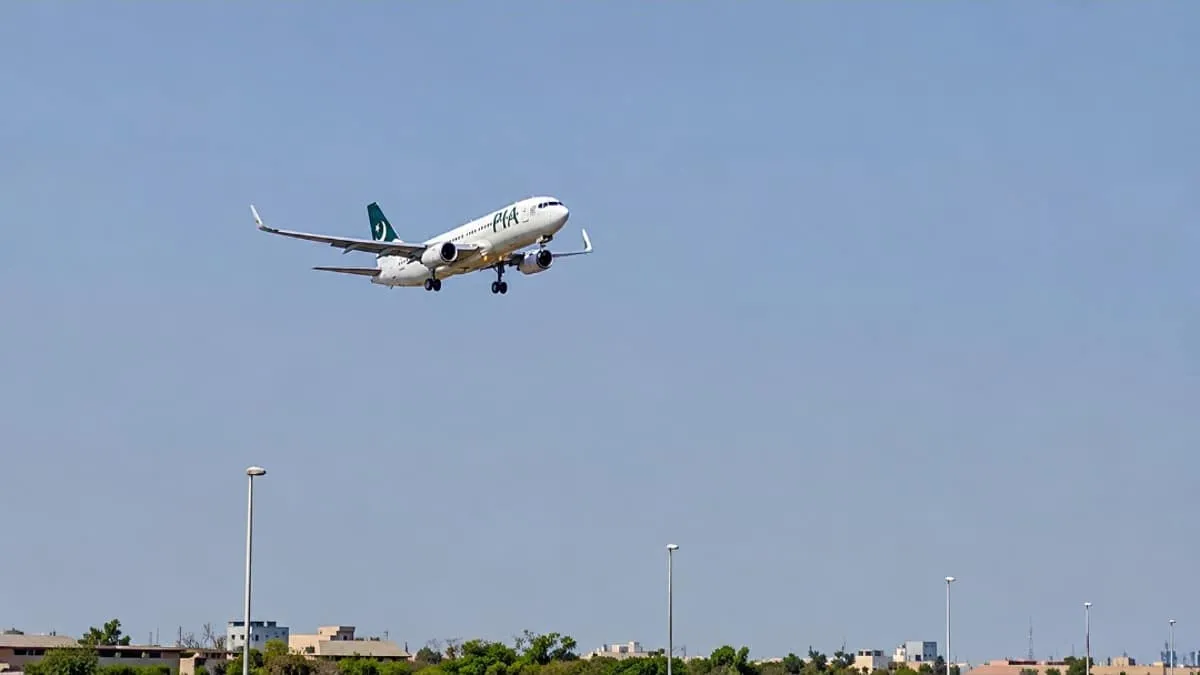
Pakistan International Airlines is planning a major international network expansion, targeting additional flights to the United Kingdom, Europe, North America, China and the Far East. The national carrier wants to capture surging passenger demand and rebuild its presence in key global aviation markets after years of operational hurdles and regulatory setbacks.
PIA Chief Executive Officer Adrian Hamilton-Manns revealed the plans in an interview with international aviation publication Aviation Week. The airline aims to increase flight frequencies on existing European and British routes while exploring new direct connections to North America, citing strong demand for reliable air travel.
This strategic shift comes as the carrier undergoes restructuring and works to restore confidence among international passengers and civil aviation regulators. The push for new routes reflects a broader ambition to reestablish the airline as a competitive force in long-haul international travel across multiple continents.
Exploring Direct Flights to the United States and Canada
PIA already operates direct flights to Toronto, Canada, serving the large diaspora living in North America. However, the airline is also exploring opportunities to expand its North American network, raising the possibility of restoring services to the United States. Direct air links between Pakistan and the United States have historically served vital business, diplomatic and family ties.
The resumption of US flights remains subject to regulatory approvals, and the airline has yet to announce specific destinations or launch dates. Securing clearance from the Federal Aviation Administration and other relevant authorities represents a stringent process that requires rigorous safety and operational audits.
Restoring services to American cities would provide a major boost to travelers who currently rely on connecting flights through Middle Eastern or European hubs. Passengers would benefit from shorter travel times and direct itineraries once regulatory hurdles are cleared and new routes are officially scheduled.
Expanding Flight Frequencies in the UK and Europe
European and British markets remain central to the commercial strategy of Pakistan International Airlines due to high traffic volumes and large Pakistani expatriate communities. PIA is scheduled to resume direct flights between Islamabad and Birmingham on December 1, 2026, with three weekly services. This resumption will restore a crucial travel link for passengers traveling between the Midlands region and Pakistan.
The airline also recently increased its weekly London flights from four to seven and aims to further strengthen its European network. Operating daily flights to London Heathrow Airport provides a stable foundation for capturing both business traffic and visiting friends and relatives travel segments.
European routes require strict compliance with safety oversight bodies, and expanding operations demonstrates the ongoing efforts of the airline to meet international aviation standards. Passengers flying on these trunk routes can expect more scheduling flexibility and improved seat availability as frequencies grow.
Developing New Destinations in China and the Far East
Beyond Western markets, the carrier is looking eastward to capture growing economic and diplomatic ties with Asian partners. PIA is considering flights to several new destinations across China and the Far East, responding to increased commercial exchanges and tourism demand.
The national carrier resumed direct flights between Islamabad and Beijing on October 30, 2026, after a suspension of services. Reopening this capital-to-capital link supports diplomatic delegations, business travelers and academic exchanges between Pakistan and China.
It has also strengthened cooperation with Chinese airlines, including Air China, Shenzhen Airlines and Hainan Airlines. These interline and codeshare partnerships allow passengers to book seamless connections to domestic destinations inside China and beyond through partner networks.
Major Fleet Expansion and Modernization Strategy
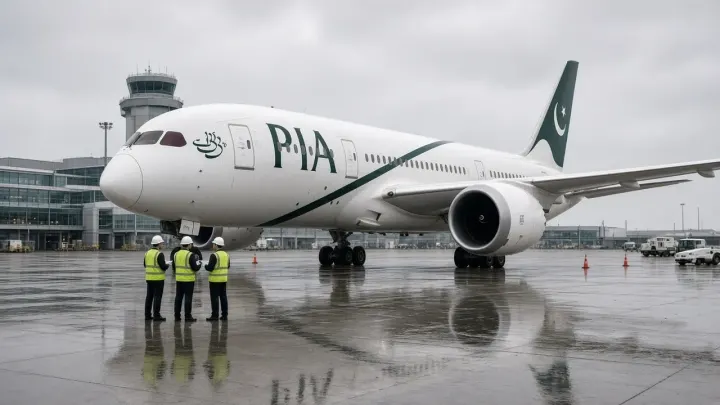
To support its international growth strategy, PIA plans to announce the acquisition of up to 50 aircraft in the first quarter of 2027, including 20 wide-body and 30 narrow-body planes. Acquiring modern aircraft is essential for operating long-haul intercontinental routes economically and reliably.
The airline intends to acquire the aircraft through direct purchases, leasing and long-term financing while replacing its aging Boeing 777s with more fuel-efficient models. Modern twin-engine wide-body aircraft consume significantly less fuel and generate lower maintenance costs than older four-engine or early-generation twin-engine jets.
The expanded and modernized fleet is expected to support additional international routes, increased flight frequencies and improved passenger facilities. Upgraded cabin interiors, modern in-flight entertainment systems and reliable seating configurations will enhance the overall customer experience across long-haul flights.
Understanding the Operational Context and Background
The ambitious growth targets announced by the management team follow a turbulent period for the national carrier, which has faced intense scrutiny regarding safety management systems and pilot licensing audits. Rebuilding the network requires methodical planning, fleet renewal and close coordination with international safety regulators to lift past restrictions.
Industry analysts note that securing modern aircraft through lease agreements or direct purchases will allow the airline to scale up operations without overburdening capital reserves. Financing structures typically involve complex negotiations with global lessors and financial institutions, reflecting the strategic importance of the flag carrier to the national economy.
As the timeline toward the first quarter of 2027 approaches, industry observers will watch for concrete announcements regarding specific aircraft types, delivery schedules and formal regulatory approvals for US destinations. The successful execution of these plans will determine whether the airline can reclaim its historical standing in global aviation.