PIA Plans Biggest Fleet Expansion in Pakistan's History
Pakistan International Airlines is preparing to announce an order for up to 50 aircraft in the first quarter of 2027, marking a major expansion under its new private management. The ambitious plan signals a turning point for the national flag carrier, which has faced severe operational and financial hurdles over past decades. Industry watchers and aviation specialists are closely monitoring the strategy as the airline transitions into a commercially driven era following its recent privatization process.
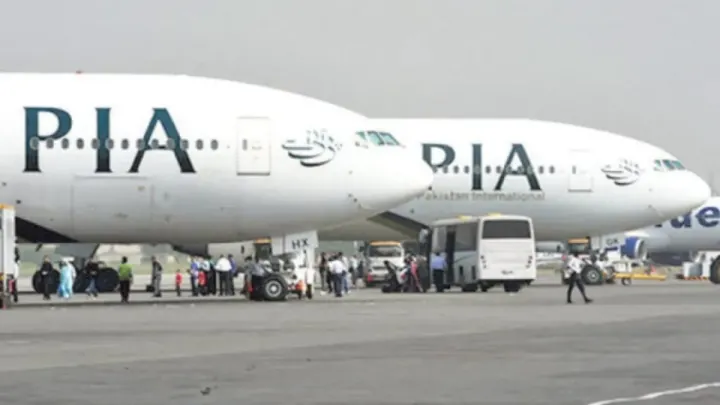
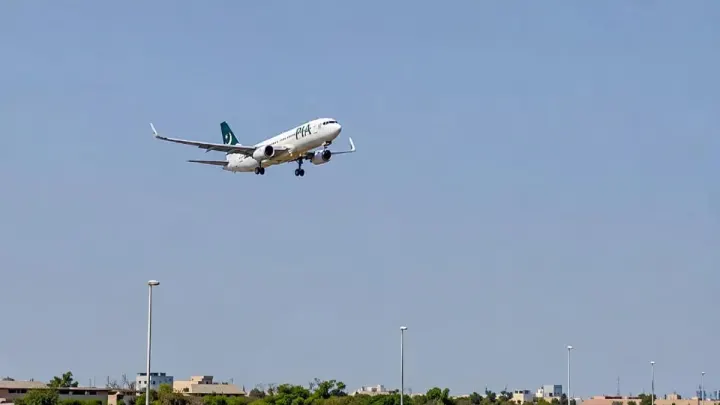
PIA Chief Executive Officer Adrian Hamilton-Manns revealed the plans in an interview with international aviation publication Aviation Week. The proposed acquisition includes 20 wide-body and 30 narrow-body aircraft. The number exceeds PIA's entire existing fleet of 32 aircraft, according to aviation database Planespotters. However, some of the incoming aircraft will replace older planes rather than increase the airline's overall fleet size.
Aircraft Selection and Financing Strategy
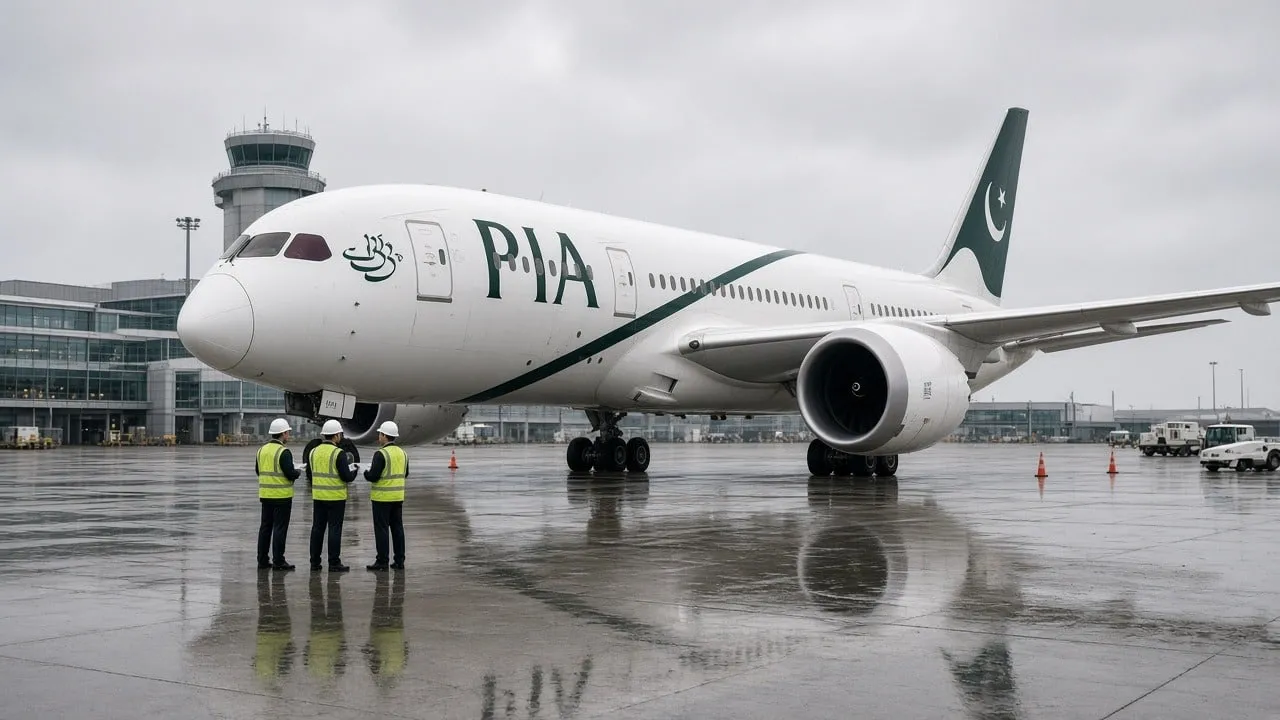
Hamilton-Manns said the airline is currently determining aircraft specifications based on its operational requirements and planned international network. Engineering teams and commercial strategists are evaluating various models to ensure optimal performance across both regional and long-haul routes. The management will prioritize fuel efficiency, modern technology and improved passenger cabins when selecting aircraft to compete effectively with major international carriers.
PIA intends to acquire the planes through a combination of direct purchases, leasing arrangements and long-term financing. Financial structuring remains a critical component of the transaction, given the scale of the investment required for fifty modern airframes. The airline is also upgrading its engineering capabilities and preparing its technical infrastructure to accommodate newer aircraft. These preparations include additional training for engineers and flight crews to handle advanced avionics and maintenance protocols.
Restoring International Routes and Network Growth
PIA plans to increase flight frequencies to the United Kingdom and continental Europe while exploring additional direct services to North America. European destinations have historically formed the backbone of the airline's profitable long-haul operations, and restoring full connectivity is a primary commercial objective. The management is also considering new destinations across China and the Far East to capture rising travel demand between South Asia and East Asia.
The expansion follows the transfer of PIA's management control to the Arif Habib-led consortium on June 29, 2026. This ownership transition concluded a long and complex privatization effort by the government to stem continuous financial losses and inject private sector efficiency into the airline. Business analysts view the fleet order as an essential step toward rebuilding international trust and capturing market share in a competitive global aviation environment.
Operational Challenges and Fleet Modernization
Operating a major airline requires meticulous coordination between fleet management, regulatory compliance, and ground infrastructure. As PIA introduces modern aircraft types, the technical division must adapt its inventory of spare parts and maintenance schedules. Ground handling staff at major hubs across Pakistan are also slated for specialized training to service the new generation of jets efficiently. Passenger experience improvements will accompany the hardware upgrades, featuring updated entertainment systems and comfortable seating configurations designed for long journeys.
The transition from older equipment to state-of-the-art models will reduce operating expenses over the long term, primarily through lower fuel consumption and reduced maintenance requirements. Older aircraft currently in service consume higher amounts of fuel and frequently demand costly repairs, which constrains profitability. By phasing out these legacy airframes, the airline expects to achieve a leaner cost structure while expanding its total passenger capacity on lucrative international corridors.
The Path Ahead for National Aviation
As the first quarter of 2027 approaches, industry observers will watch for finalized agreements with major aircraft manufacturers such as Airbus and Boeing. Securing production slots and favorable delivery schedules remains a competitive challenge in the global aerospace market, where backlogs stretch for years. Management must balance rapid network growth with disciplined financial management to ensure the long-term viability of the carrier.
The success of this unprecedented fleet expansion will shape the future of commercial aviation in Pakistan. Citizens, business travelers, and the diaspora community depend heavily on reliable direct connections to global hubs. With private leadership steering the enterprise, PIA aims to reclaim its historical stature as a competitive and respected international airline.