A sophisticated fuel theft operation operating across several filling stations in Lahore has been uncovered by federal investigators, exposing a method where motorists were systematically short-changed by up to 30 percent. The illegal scheme relied on covert technology integrated directly into fuel dispensing machinery, operated entirely through wireless commands sent from mobile phones carried by station attendants. Authorities revealed that the deception allowed corrupt operators to pocket massive illegal earnings while digital screens on the pumps displayed full, legitimate quantities to unsuspecting drivers.
The scale of the operation and the technical sophistication involved highlight ongoing vulnerabilities in fuel retail oversight, affecting thousands of daily commuters and commercial drivers. Law enforcement agencies stepped in following a breakthrough in digital forensics and suspect interrogation, leading to coordinated raids that shut down multiple locations and resulted in numerous arrests. The investigation sheds light on how technological manipulation can bypass conventional regulatory inspections, leaving consumers unprotected unless specialized technical audits are deployed.
آپ کی جیب پر ڈاکہ ڈالنے والی خفیہ موبائل ایپ پکڑی گئی،کیا آپ بھی پٹرول ڈلواتے وقت لُٹ رہے ہیں؟#NCCIA #PetrolFraud #MobileApp #FuelShortage #FraudExposed #WaqtNews pic.twitter.com/A6mjRtQ5wQ
— Waqtnews (@Waqtnewstv) November 29, 2026
How the Lahore Petrol Station App Scam Works
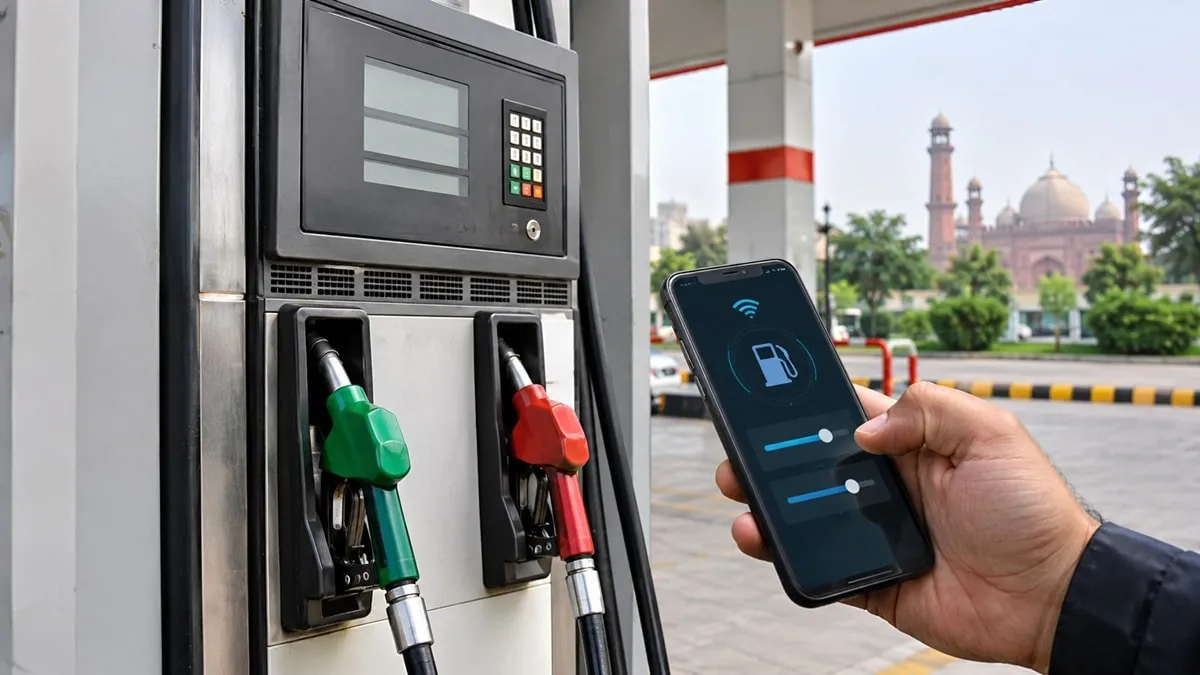
The fraudulent system relies on a dual-component setup combining physical hardware modifications with remote digital control. A small electronic control kit is covertly installed inside the internal wiring of standard fuel dispensers, quietly intercepting the delivery mechanism. This hardware connects via wireless signals to a mobile application named Home Load, which is installed on the smartphones of pump attendants.
When a motorist arrives to purchase fuel, the attendant activates the kit using the application interface on their phone. They can select specific reduction percentages of 1%, 10%, 20%, or 30% to withhold from the delivery. While the mechanical valves restrict the actual flow of petrol or diesel into the vehicle tank, the digital display on the dispenser continues to register the full monetary amount and volume, ensuring the customer pays for product they never received. Investigators noted that a 20% reduction was commonly used, meaning a driver paying for 10 litres received only around 8 litres.
Why Traditional Fuel Inspections Failed to Catch the Fraud
Standard regulatory oversight had consistently failed to detect the short-filling because the tampering leaves no external trace on the nozzles or meters. When routine inspection teams visit a filling station to check calibration and accuracy, attendants simply disable the mobile application with a quick tap on their phones. The dispenser then operates normally, delivering the correct volume of fuel and passing the official test without raising suspicion.
Once the inspection officials depart, the attendants re-enable the application to resume the theft. The NCCIA stated that the illegal kits were installed exclusively on regular petrol and diesel dispensers rather than high-octane pumps, targeting the highest-volume fuel grades purchased by everyday motorists. Because standard checks rely on physical volume testing while the app is inactive, the deception remained hidden from routine administrative oversight.
Raids, Arrests and Rs. 400 Million in Profit
The crackdown began after investigators arrested an app developer who cooperated with authorities and disclosed the specific locations where the technology had been deployed. Acting on this intelligence, the NCCIA conducted simultaneous raids on four petrol pumps across Lahore. During these operations, officials seized digital fuel control kits, mobile phones, and related technical equipment used to run the scam.
Law enforcement teams arrested multiple individuals, including pump owners, station managers, floor attendants, the technician responsible for installing the hardware, and the software developers behind the application. According to findings released by the agency, the four targeted stations amassed approximately Rs. 400 million in illegal profits over a single year of operation. Authorities sealed all four properties immediately and formally requested the Oil and Gas Regulatory Authority to revoke their operating licences.
Broader Implications and Ongoing Investigations
Officials warned that the same mobile application and electronic kits remain installed at numerous other fuel stations throughout Lahore, indicating a wider network of fraud. Consumer complaints regarding short-filling are common across the country, highlighting a systemic issue in fuel retail integrity. Similar enforcement actions have taken place in other regions, such as the Islamabad administration sealing non-compliant nozzles at local pumps operating under similar practices. The ongoing investigation aims to track down all remaining stations using the technology and bring the wider network of operators to justice.