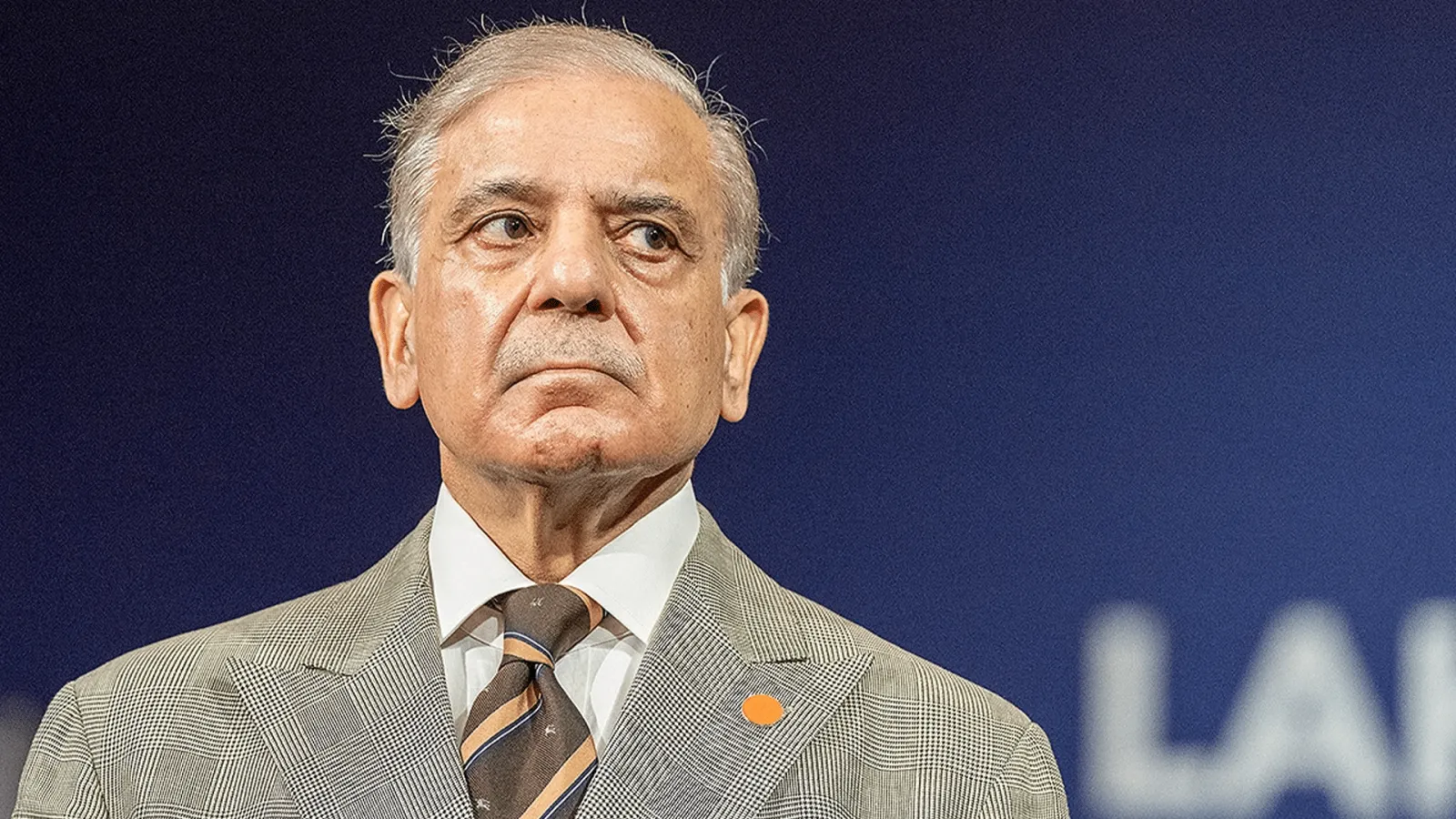
Prime Minister Shehbaz Sharif Orders Crackdown on Petrol Pumps
Prime Minister Shehbaz Sharif has directed the petroleum minister to take immediate action against petrol pumps that fail to pass on relief to consumers. Speaking at a federal cabinet meeting, the prime minister noted that authorities had received complaints about some petrol stations withholding relief from the public. He called for strict action against those outlets to teach them a lesson, emphasizing that public welfare remains a primary concern for the administration.
The directives follow recent adjustments in petroleum product pricing across the country. Government oversight of fuel stations has become a central focus as officials try to ensure that ordinary citizens benefit from policy decisions made at the federal level. Local administrations and regulatory bodies now face increased pressure to monitor compliance at retail fuel outlets.
Why Petrol Prices Did Not Increase by Rs. 15
During the same cabinet address, Shehbaz revealed that petrol prices would have increased by Rs. 15 on Friday. However, the government's timely decision prevented the hike, shielding citizens from an additional financial burden. Officials managed the pricing structure to absorb the impending cost escalation, avoiding what would have been a sharp rise in daily transportation and living expenses.
Fuel pricing in the country relies heavily on international market trends, shipping costs, and exchange rate fluctuations. When global energy costs climb, state authorities typically review taxation structures and petroleum development levies to cushion the domestic market. The decision to halt the Rs. 15 increase demonstrates active state intervention in retail pricing during periods of economic strain.
The End of the LPG Mafia and New Import Plans
Moving beyond petroleum products, the prime minister declared that the era of the liquefied petroleum gas mafia had ended. He announced that the government would import liquefied petroleum gas directly to provide relief to consumers. This move aims to dismantle monopolistic pricing structures and secure steady domestic supplies ahead of high-demand seasons.
Liquefied petroleum gas serves as a crucial alternative fuel source for households and commercial entities, particularly in regions lacking piped natural gas networks. Past supply chain bottlenecks often allowed intermediaries to manipulate local rates. State-backed imports intend to stabilize market rates and ensure consistent availability for everyday users.
Security and Financial Package for Khyber Pakhtunkhwa
Shifting focus to regional governance and public safety, the prime minister stressed that security remained the first, second, and third priority in Khyber Pakhtunkhwa. The province faces distinct security challenges due to its geographic location and ongoing regional dynamics. Law enforcement and counter-terrorism operations require continuous federal backing and financial resources.
To support these regional priorities, Shehbaz added that the government had finalized a Rs. 160 billion package for the province a day earlier. This comprehensive financial allocation is designed to strengthen administrative capabilities, improve infrastructure, and address critical security needs within Khyber Pakhtunkhwa. Provincial and federal authorities continue to coordinate closely on implementing these funding measures.
Understanding Fuel Regulation and Consumer Rights in Pakistan
Retail petroleum operations in the country operate under strict regulatory frameworks overseen by specialized agencies. Filling stations must display approved pricing charts and sell products that match official quality and quantity standards. When the federal government announces price reductions or freezes, retail outlets are legally and morally obligated to apply those rates immediately.
Consumer protection bodies and district administrations rely on public complaints to identify non-compliant petrol pumps. Citizens who encounter stations overcharging or refusing to implement announced price adjustments can report violations to local authorities. The latest directives from the prime minister elevate these inspections, encouraging regulators to impose heavy fines, suspend licenses, or shut down offending fuel stations.
Next Steps for Energy Oversight and Regional Development
As the petroleum ministry initiates nationwide checks on retail fuel outlets, citizens and business owners await the practical results of these inspections. District commissioners and price control magistrates are expected to visit filling stations regularly to verify compliance. At the same time, the Ministry of Petroleum must finalize logistics for liquefied petroleum gas imports to ensure steady market arrival.
Regarding Khyber Pakhtunkhwa, the disbursement and utilization of the Rs. 160 billion package will unfold through structured development projects and security enhancements. Observers will watch how federal and provincial agencies allocate these funds to achieve measurable improvements in regional stability. Public stakeholders across all sectors continue to monitor government actions concerning energy affordability and public safety.