Punjab Government Launches Chamkta Lahore Campaign to Combat Smog
The Punjab government has launched a new cleanliness and anti-smog campaign, "Chamkta Lahore," to reduce airborne dust, improve sanitation, and keep roads and public spaces clean across the provincial capital. Air pollution and smog have posed significant environmental and public health challenges for the region during specific seasons, prompting authorities to implement targeted interventions to protect citizens and improve urban aesthetics.
The campaign, launched on the directives of Chief Minister Maryam Nawaz Sharif, was inaugurated by Local Government Minister Zeeshan Rafique at Liberty Chowk. This strategic initiative brings together various municipal resources and specialized machinery to tackle the root causes of urban dust and surface particulate matter that contribute to poor air quality.
How the Chamkta Lahore Campaign Works
Under the initiative, 100 major roads, locations, and commercial markets have been identified for targeted cleaning operations. The government plans to wash approximately 648 kilometers of roads every week, with a daily target of 100 kilometers. By focusing on high-traffic corridors and densely populated commercial zones, authorities aim to suppress the accumulation of dust that gets kicked up by vehicular movement.
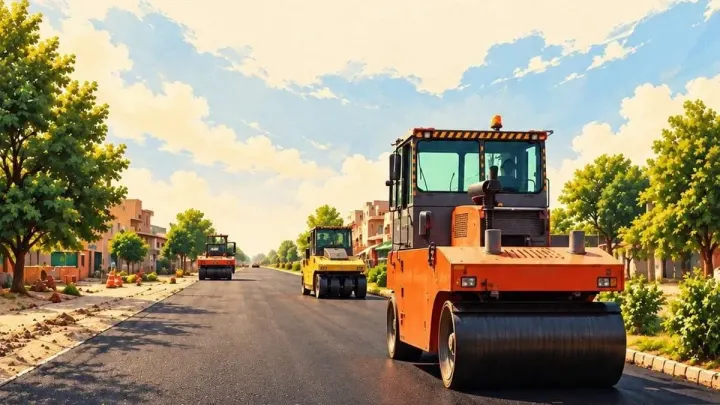
The operational framework of the campaign relies heavily on specialized municipal equipment. The campaign will involve 16 mechanical washing machines for road cleaning and 46 rickshaw-mounted washers for cleaning footpaths. Additionally, 10 rickshaw-mounted anti-smog mist guns will be deployed to spray water into the air and suppress dust particles effectively in narrower streets and congested areas where large vehicles cannot easily operate.
Minister Zeeshan Rafique Highlights Progress on Air Quality
Speaking to the media at the inauguration, Rafique said the government's anti-smog measures over the past two years had produced encouraging results, claiming that smog levels in November were noticeably lower than those recorded two years ago. Public officials attribute these incremental improvements to sustained administrative efforts, stricter industrial emission checks, and proactive municipal cleaning schedules.
He expressed confidence that the new campaign would further improve air quality and cleanliness across Lahore. Government planners believe that maintaining clean road surfaces alongside continuous mist spraying will substantially reduce the density of suspended particulate matter in the lower atmosphere, providing relief to residents who suffer from respiratory issues during peak pollution periods.
Broader Urban Development and Public Facility Initiatives in Punjab
Beyond immediate anti-smog operations, the minister also highlighted ongoing development projects in Punjab, including road infrastructure, healthcare, education, and urban beautification. Comprehensive public works programs often accompany environmental drives to ensure that cities modernize their infrastructure while simultaneously addressing ecological concerns.
He said these initiatives were being implemented from major cities to union councils to improve public facilities and people's quality of life. By extending developmental projects down to the grassroots union council level, the provincial administration seeks to bridge urban and rural disparities in service delivery, sanitation access, and municipal management.
Understanding the Challenge of Smog in Lahore
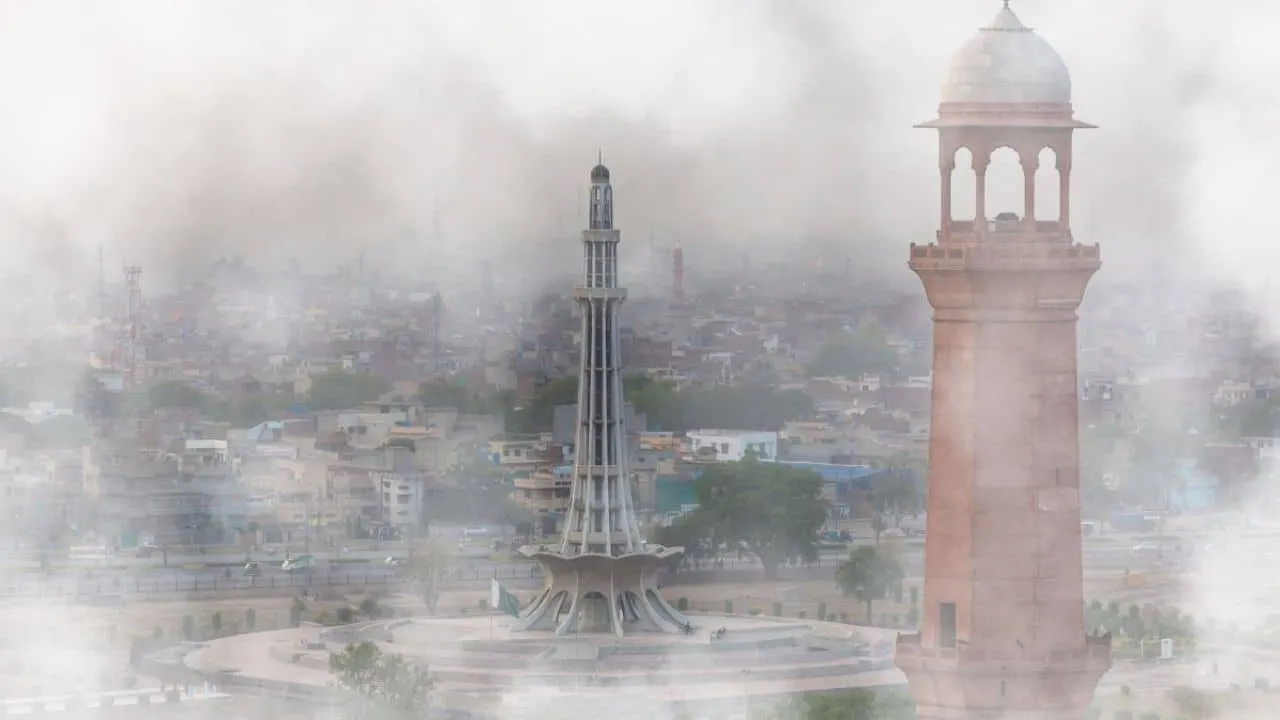
Smog has become an annual crisis in Punjab during the winter months, driven by a combination of vehicular emissions, industrial smoke, crop residue burning, and stagnant weather patterns. When cold air traps pollutants close to the ground, visibility drops sharply and air quality indexes reach hazardous levels. Programs like Chamkta Lahore represent direct municipal responses to mitigate the local dust component of this complex environmental phenomenon.
Residents and business owners in targeted commercial markets are encouraged to cooperate with municipal work crews during scheduled cleaning hours. Local authorities coordinate logistics to ensure that nightly and early morning road washing operations cause minimal disruption to daily traffic while achieving maximum coverage across the 648 kilometers designated for weekly maintenance.
What to Watch for as the Campaign Progresses
As the Chamkta Lahore initiative rolls out across the 100 identified major locations, observers will monitor the sustained deployment of the 16 mechanical washers, 46 footpath washers, and 10 mist guns. Effectiveness will be measured through continuous air quality monitoring data and public feedback regarding cleanliness standards in commercial markets and residential thoroughfares.
The provincial administration intends to maintain these rigorous cleaning schedules as part of its long-term strategy for urban environmental management. Continued coordination between the Local Government Department and municipal corporations will determine how successfully these intensive sanitation protocols translate into lasting improvements for the residents of Lahore.