PTA and Meta Block 176,000 WhatsApp Accounts Linked to Recycled SIMs
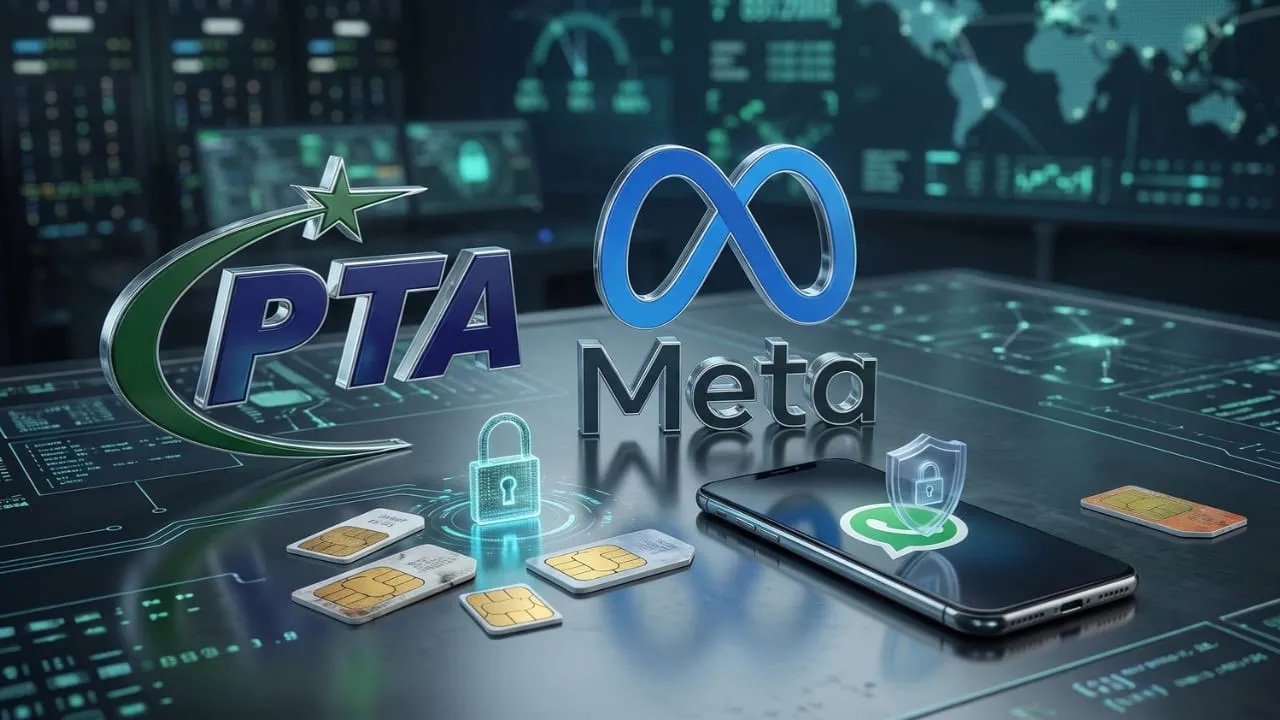
The Pakistan Telecommunication Authority (PTA) has taken strict action to improve digital security by blocking 176,000 WhatsApp accounts in collaboration with Meta. Users originally registered these accounts on recycled mobile numbers, creating a major vulnerability that malicious actors exploited to commit digital crimes. The regulator took this direct step to stop cyber fraud stemming from cancelled and inactive subscriber identity module cards.
This coordinated enforcement highlights the growing intersection of telecommunications regulation and application security in South Asia. As mobile communication platforms become primary hubs for personal and financial interactions, securing the underlying phone numbers is essential for maintaining public trust in digital infrastructure.
Combating Cyber Fraud with Meta
Recently, the Pakistan Telecommunication Authority received multiple complaints regarding cyber fraud affecting mobile users across the country. Scammers were actively exploiting recycled mobile numbers to commit these crimes through WhatsApp, taking advantage of lapsed ownership periods. Consequently, the regulator approached Meta for a coordinated solution to cleanse the platform of compromised profiles. Meta blocked these 176,000 accounts at the authority direct request.
As part of this ongoing digital security strategy, the Pakistan Telecommunication Authority handed over around 10 million recycled mobile numbers to Meta. Meta will use this massive dataset to verify and block any active WhatsApp accounts associated with them. The two organizations have built strong coordination over recent years. Last year, Meta successfully resolved 82% of the complaints forwarded by the regulator, demonstrating a reliable channel for public grievance redressal.
The Growing Risk of Recycled Mobile Numbers
Currently, telecom operators in Pakistan hold approximately 16 million recycled mobile numbers in their active inventory pools. These numbers pose a massive digital security risk for everyday citizens. Often, WhatsApp accounts registered by previous owners remain active on these specific numbers even after telecom companies deactivate or cancel the original subscriber cards due to non-usage or disconnection.
Therefore, new subscribers who purchase these recycled numbers from retail outlets can easily access the old WhatsApp accounts left behind by strangers. This technical loophole creates easy opportunities for malicious activities, identity theft, and cybercrime. The latest initiative aims to protect mobile subscribers from this exact vulnerability by purging unverified profiles from the messaging ecosystem.
Understanding the Mechanics of SIM Recycling
Subscriber identity module recycling is a standard practice used by telecommunications companies worldwide when numbers are returned to the available pool after a period of disuse. In a densely populated market with high mobile penetration, carriers must reissue numbers to meet continuous consumer demand. However, modern applications that rely on phone numbers for user authentication often retain historical account linkages unless explicitly reset.
When a new customer purchases a recycled connection, they inherit the digital footprint of the previous owner on third-party platforms if the original owner did not deactivate their application accounts. This structural disconnect between telecom lifecycle management and application-layer registration protocols forms the core of the security challenge that regulatory bodies now face.
WhatsApp Accounts Blocking Mechanism by PTA and Meta
To fix this issue permanently and prevent future security breaches, the Pakistan Telecommunication Authority and Meta have agreed on a continuous enforcement mechanism. The regulator will now share 5,000 recycled mobile numbers with the platform every single month to maintain ongoing oversight. Meta will then identify and deactivate the associated WhatsApp accounts in phases according to this scheduled data feed.
Ultimately, this coordinated effort will shut down the misuse of recycled subscriber cards and enhance overall digital safety across the country. By establishing a routine data-sharing pipeline, authorities hope to stay ahead of fraudulent rings that attempt to repurpose abandoned digital identities for illicit financial gains.
Broader Impact on Telecom Consumers and Businesses
The sweeping removal of these compromised profiles directly affects both ordinary mobile users and commercial entities operating within the digital economy. Consumers often face distress when discovering their newly acquired phone number is banned or linked to suspicious messaging histories. By cleaning the database of 10 million recycled records, the initiative safeguards unsuspecting buyers from unwarranted scrutiny or criminal liability.
For businesses using digital communication tools, enhanced platform integrity reduces the incidence of fraudulent activities originating from local numbers. Clean telecommunication channels reinforce confidence in mobile commerce, digital banking, and customer service applications that rely on SMS verification and messaging platforms.
Future Outlook and Regulatory Watchpoints
As digital platforms and telecommunications authorities deepen their technical cooperation, stakeholders must monitor the execution of the monthly 5,000-number deactivation quota. The success of this phase-based purging process will determine whether additional messaging services require similar regulatory interventions. Observers and consumer rights advocates will watch how carriers manage recycled inventory and whether notification systems improve for buyers of recycled connections.
The ongoing partnership sets a precedent for regional digital governance, showing how state regulators can compel global technology firms to address local infrastructure vulnerabilities. Continued vigilance from both the Pakistan Telecommunication Authority and Meta remains critical to sustaining these security gains over the long term.