Sony Quietly Discontinues PlayStation VR2 as Headset Disappears from Stores
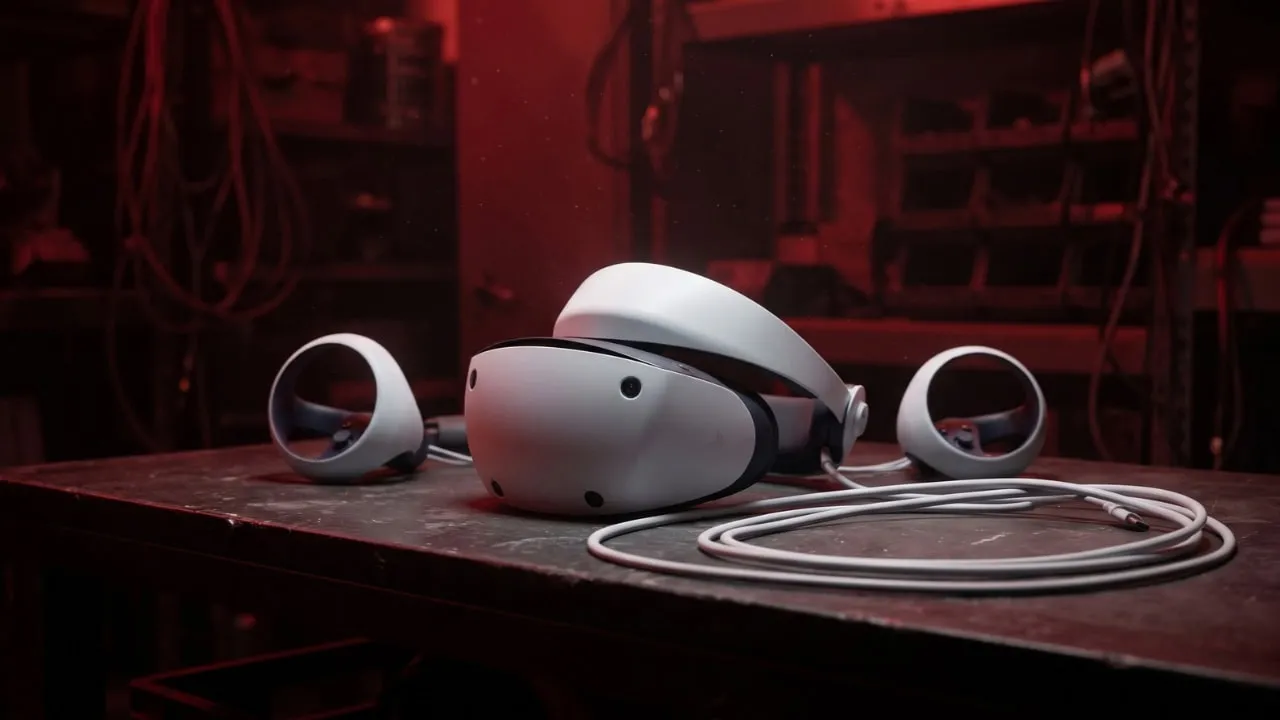
Sony appears ready to end the PlayStation VR2 Headset completely. The virtual reality market remains a tough niche for hardware makers. Meta currently leads the broader VR segment. However, the company loses massive amounts of money by selling its headsets strictly at cost. Consequently, Sony faces similar profitability hurdles. Now, the writing is seemingly on the wall for its flagship VR device.
The virtual reality industry has experienced notable shifts in consumer adoption, hardware manufacturing expenditures, and software support over recent years. For hardware developers, balancing cutting-edge immersive technology with accessible retail pricing has proven exceptionally difficult. As consumer electronics giants evaluate their long-term hardware roadmaps, devices that fail to capture a broad audience often face quiet phase-outs rather than loud corporate cancellations.
PlayStation VR2 Headset Retail Listings Vanish Everywhere
Sony has not released an official announcement yet. Regardless, the PlayStation VR2 is quietly vanishing from global storefronts. The official PlayStation Direct store recently removed the main headset listing. Users searching for the device only find the PS VR2 Sense charging station. Furthermore, visiting the direct URL for the headset now triggers a permanent 404 error. Therefore, Sony shows no clear intention of restocking the product.
This total stock exhaustion extends directly to third-party retailers. Amazon currently lists the headset as completely sold out. Meanwhile, Best Buy and Newegg only offer the device at heavily inflated prices through unauthorized third-party sellers. Similarly, Walmart and GameStop solely carry pre-owned and refurbished units. Previously, Sony paused PS VR2 production in 2024 due to incredibly weak demand. Unsurprisingly, that remaining manufactured stock has finally run out.
The disappearance of retail stock marks a significant milestone for a console accessory that once represented the future of immersive gaming on PlayStation hardware. Industry observers often monitor inventory levels across major distribution channels to gauge the health of hardware product lines. When primary and secondary suppliers fail to receive replenishment shipments over extended periods, it typically indicates that manufacturing lines have stopped permanently. Consumers attempting to secure brand-new units through authorized vendor channels now find themselves completely out of options.
Rising Hardware Production Costs in Virtual Reality
Virtual reality manufacturers currently face a severe hardware pricing crisis. High demand for processors, RAM, and flash media drives up VR production costs significantly. For example, Valve recently launched its highly anticipated Steam Frame VR headset. However, that device arrived with an eye-watering starting price of $1,059. Valve even admitted this price point landed much higher than intended.
Consequently, Sony faces a difficult business choice. The company must either increase the retail price of an already struggling device or sell units at a significant financial loss. Discontinuing the unviable hardware simply makes more business sense.
The economic realities of building specialized virtual reality hardware involve complex supply chains and expensive components. High-resolution OLED displays, advanced optical lenses, and precise internal tracking sensors require substantial capital investment to manufacture at scale. When consumer demand fails to match these high production expenditures, companies struggle to achieve a return on investment. This economic friction has historically limited the mass-market appeal of dedicated gaming headsets compared to traditional flat-screen consoles.
A Collapsing Software Ecosystem and Developer Retreat
External software factors also killed the momentum of the PS VR2. Several dedicated VR game studios shut their doors recently. Moreover, major developers continue dropping support for the platform entirely. Beat Saber officially stopped delivering updates for the PlayStation VR2 at the start of 2026. Undoubtedly, Beat Saber stands as one of the most popular VR games ever made. Therefore, this high-profile abandonment gave potential buyers a major reason to skip the headset. Ultimately, fans who waited to buy a PlayStation VR2 have likely run out of time.
Software ecosystems are the lifeblood of any gaming platform, and virtual reality is no exception. Without a steady stream of compelling titles, triple-A experiences, and active developer participation, hardware sales inevitably stagnate. The closure of multiple independent VR development studios demonstrates the financial instability plaguing the medium. When major studios reallocate their engineering resources away from niche hardware toward more lucrative platforms, the resulting software drought isolates early adopters who invested in the ecosystem.
Understanding the Broader Virtual Reality Market Dynamics
The trajectory of PlayStation hardware highlights the broader challenges facing immersive technology across the consumer electronics sector. While companies like Meta maintain aggressive market share through subsidized hardware pricing strategies, traditional hardware manufacturers struggle to sustain long-term losses. Selling electronic devices below manufacturing cost requires massive corporate backing and alternative revenue streams, such as software store commissions and targeted advertising platforms. Hardware-focused companies find it difficult to compete under these specific market conditions.
Consumer hesitation has also played a major role in the slow adoption of advanced headsets. Issues related to comfort, wired connectivity limitations, and the sheer cost of entry continue to push casual gamers toward standard television displays. Even with technological improvements in field-of-view and visual fidelity, virtual reality remains a specialized segment of the overall gaming industry. As major players reassess their investments, the market may see a consolidation around standalone devices rather than console-bound accessories.
What Lies Ahead for Immersive Gaming Enthusiasts
For current owners of the hardware, the immediate future involves relying on existing software libraries and whatever third-party accessories remain available. Players who delayed their purchase decisions must now navigate a secondary market filled with inflated reseller prices and used inventory. As official support wanes and retailers clear out remaining remnants, the chapter closes on this particular iteration of console-based virtual reality.
The industry will undoubtedly watch how hardware creators adapt to these economic lessons in future product development cycles. Whether future iterations of immersive technology find a sustainable path forward remains an open question for software developers and electronics manufacturers alike. For now, the disappearance of primary retail stock signals a clear retreat by one of the industry's most prominent console makers from the virtual reality hardware race.