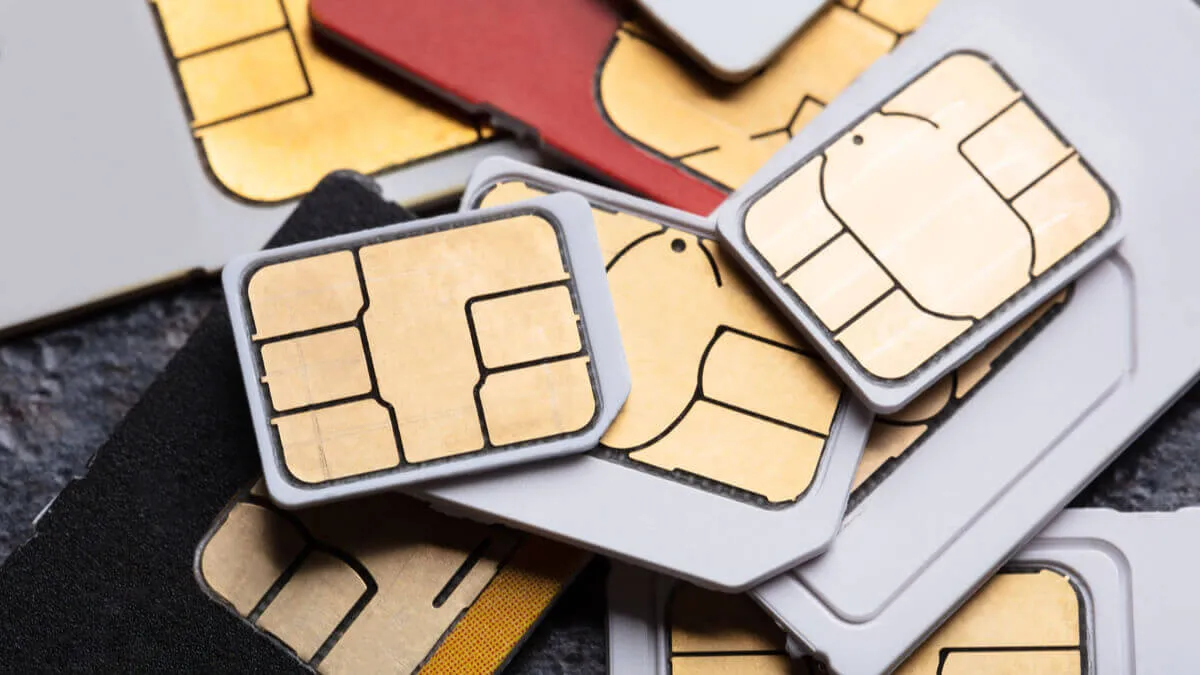
PTA Plans to Reduce SIM Ownership Limit for All Pakistanis
The Pakistan Telecommunication Authority is considering cutting the number of voice SIMs a person can register against a single CNIC from five to three. This regulatory shift aims to address security challenges while adapting to changing technological demands in the telecommunications sector. Telecommunication authorities have taken a decision in principle to review existing issuance thresholds across the country.
At the same time, the regulator is looking to raise the limit on data SIMs per CNIC, which currently stands at three, to keep up with growing demand for connectivity, particularly after the introduction of 5G services. The dual approach reflects a shifting regulatory philosophy that places higher value on dedicated data connectivity for modern devices while tightening control over traditional voice numbers.
Why the Pakistan Telecommunication Authority is Changing SIM Limits
According to the officials, a decision in principle has been taken to review the existing SIM issuance limits, mainly to curb the misuse of multiple voice SIMs in cybercrimes and other illegal activities. Law enforcement agencies and regulatory bodies have long monitored how unregistered or improperly assigned numbers facilitate financial fraud and extortion schemes.
They said that an average mobile phone user operates two to three voice SIMs at a time, making the current cap of five relatively high. Issuing more voice SIMs per person, they added, creates more room for misuse. By lowering the ceiling to match typical consumer usage patterns, authorities hope to close loopholes exploited by bad actors.
Preparing for 5G Expansion and Internet of Things Growth
On the data side, officials said the expansion of 5G and the rising use of Internet of Things devices will require more data SIMs, which calls for a review of the current regulatory framework. Modern industrial applications, smart home appliances, and connected vehicle systems rely heavily on cellular data modules that operate independently of standard voice plans.
Under the existing rules, a maximum of eight SIMs can be issued against one CNIC: five voice SIMs and three data SIMs. These limits have been in place for over a decade, after the Supreme Court capped SIMs at five voice and three data per CNIC in 2015. That judicial intervention set a strict national standard that has governed mobile subscriptions for years.
Consultation Process and Industry Engagement
The proposed changes will be finalized after consultation with mobile operators. Officials said the limits will be reviewed in light of the changing needs of the telecom sector, security concerns, and the expected expansion of 5G-enabled services. Cellular service providers will have the opportunity to provide technical feedback regarding how the new caps will affect subscribers and device configurations.
The move is the latest in a series of steps by the regulator to tighten SIM controls, after PTA recently declared buying and selling foreign SIMs illegal. Regulatory oversight has intensified as digital transactions and mobile banking become central to the national economy, requiring stronger identity verification protocols.
Historical Context of SIM Registration in Pakistan
Pakistan established rigorous subscriber verification protocols years ago, requiring biometric verification for every mobile connection linked to a Computerized National Identity Card. The 2015 Supreme Court mandate provided a rigid legal boundary that prevented individuals from hoarding dozens of active lines. The upcoming adjustment marks the first major structural reassessment of these numerical caps in over ten years.
As the country prepares for widespread fifth-generation network deployment, telecommunication companies face new operational requirements. Consumer habits have evolved rapidly, shifting away from multiple voice lines toward heavy data consumption via smartphones, tablets, and dedicated mobile broadband dongles. The regulatory adjustment acknowledges this technological migration while maintaining strict oversight.
Impact on Mobile Users and Businesses
Individual citizens who currently maintain more than three active voice lines will eventually need to surrender excess connections once the new policy takes effect. Business users, couriers, and field operations that rely on multiple voice numbers for customer service may need to restructure their communications strategies. Conversely, enterprises deploying machine-to-machine technologies will benefit from expanded data connection allowances.
The Pakistan Telecommunication Authority continues to evaluate public and corporate feedback as drafting proceeds. While no exact implementation date has been published yet, subscribers are advised to monitor their current holdings and verify registration details through official channels to ensure compliance when the new rules take effect.