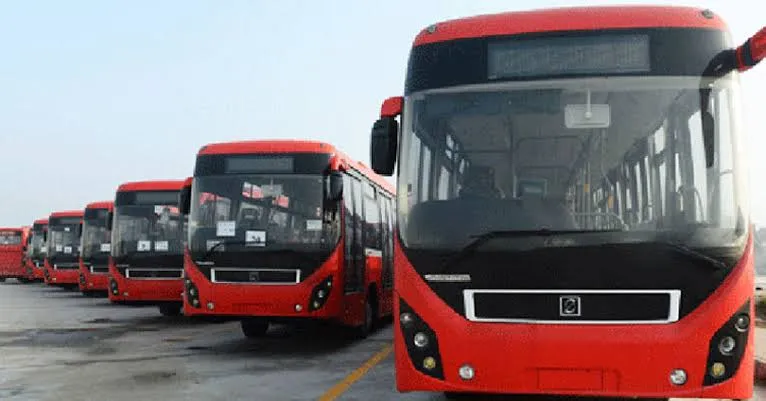
Specialists urge Pakistan to prioritize public bus options rather than depending largely on private motor vehicles, as analysts advocate for greener and cheaper city transit.
Data provided by BusCaro and the Pakistan & Counting Mobility Index show that public transit makes up under 0.5% of the index distribution by vehicle type. Personal motorcycles, cars, and rickshaws together make up 98.7% of this tracked share.
The statistics demonstrate how private and individual transit modes dominate mobility across the country. Still, buying a car stays out of financial reach for most residents, with roughly 22 out of every 1,000 citizens able to purchase one.
Analysts state that funding dependable bus systems might solve this financial gap by offering riders a cheaper transit alternative. Enhanced public transit could also lower reliance on personal vehicles, especially for routine trips to offices, schools, and business districts.
Moving toward shared transit could produce ecological advantages too. Lowering personal vehicle numbers on streets might cut traffic jams and pollution, assuming public networks function well enough to draw everyday riders.
Increasing bus frequency, widening routes, and keeping ticket prices low can turn public transit into a viable option for urban inhabitants. Dependable operations would additionally assist citizens unable to buy personal vehicles in reaching employment, schooling, and vital services.
This conversation arises during rising worries regarding urban travel expenses and the ecological consequences of transit. Analysts note that public transit strategies ought to prioritize the wider public instead of centering mostly on personal car ownership.
Broadening reachable bus networks might consequently back inclusive city growth while assisting Pakistan to achieve cleaner and cheaper urban transit.