Punjab Announces New Online Domicile System
The Punjab government has begun implementing a new online system for issuing domicile certificates in phases, under which citizens will be able to submit applications through three different channels. This administrative update marks a major shift in how public services are delivered across the region, moving away from traditional paper-based methods toward a digital framework. Once fully implemented, all domicile certificates will be issued exclusively through the online system.
Domicile certificates serve as official proof of residency for individuals living in a specific district within the province. These documents are routinely required for educational admissions, government employment, and various administrative processes. By shifting this essential service to a digital platform, authorities intend to reduce bureaucratic delays and make the application process more accessible for everyday residents.
How Citizens Can Apply Through Three Different Channels
Under the new arrangement, citizens can apply through government-designated e-Khidmat Markaz centers, where they can submit their applications and pay the prescribed processing fees. These walk-in facilities provide dedicated assistance for individuals who may require physical guidance or lack personal access to digital devices. Staff members at these locations help applicants complete their digital forms and ensure that all necessary documentation is properly uploaded into the system.
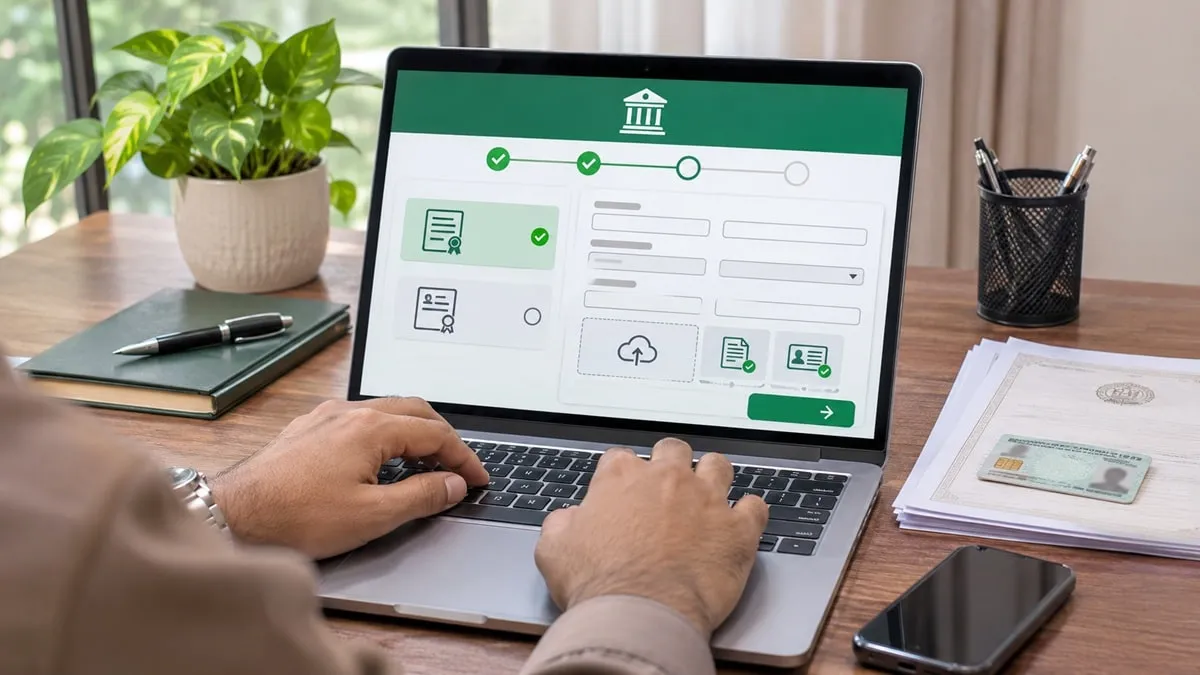
Applicants will also be able to apply directly through a dedicated online dashboard introduced under an initiative by Punjab Chief Minister Maryam Nawaz. This web portal allows users to submit their details from home, monitor the status of their requests, and complete required steps without visiting a government office. The direct portal aims to streamline document verification and minimize waiting times for tech-savvy residents.
The third option will allow citizens to submit their applications through the Maryam Ki Dastak service. This specialized delivery and facilitation program brings administrative services directly to neighborhoods, offering an alternative touchpoint for certificate requests. By incorporating multiple submission pathways, the government seeks to accommodate different segments of the population, ranging from urban professionals to rural residents.
Background and Phased Implementation of Digital Domicile Services
The rollout of this digital infrastructure is happening in phases across the province. Administrative transitions of this scale typically require gradual deployment to test server capacity, train staff, and resolve technical hurdles before a full statewide launch. Government departments have spent months preparing the backend databases needed to verify residency claims and connect various municipal records.
In the past, obtaining a domicile certificate often involved visiting local administrative offices multiple times, standing in long queues, and dealing with manual record-keeping systems. These legacy procedures frequently created bottlenecks and left room for administrative inefficiencies. The introduction of the digital dashboard and integration with existing service networks represent an ongoing effort to modernize public administration in the region.
Understanding the Role of e-Khidmat Markaz and Maryam Ki Dastak
The e-Khidmat Markaz centers function as one-stop shops for various public documentation needs. By using these physical hubs for online domicile applications, the government bridges the gap for citizens who are less familiar with online portals. Trained operators at these centers handle the digital submission on behalf of the applicant while collecting the standard fees.
Meanwhile, the Maryam Ki Dastak service represents a mobile approach to public service delivery. This initiative uses representatives to assist citizens with local administrative tasks, bringing government procedures closer to residential areas. Combining these mobile channels with fixed centers and online dashboards creates a comprehensive network for certificate issuance.
Impact on Citizens and Future Administrative Steps
The transition to a mandatory online-only issuance model carries practical implications for students, job seekers, and regular citizens. Once the phased rollout concludes and traditional paper applications are phased out, everyone will need to use one of the three approved digital channels. Residents are encouraged to familiarize themselves with the new portals and required documentation to avoid delays in their applications.
As the implementation continues, authorities will monitor system performance and user feedback to address any operational challenges. Citizens should watch for further official announcements regarding timelines for the complete removal of legacy application methods. Keeping informed about these administrative updates ensures that applicants can secure their residency documents without disruption to their educational or professional pursuits.