KP Government Launches Electric Rickshaw Conversion Project in Peshawar
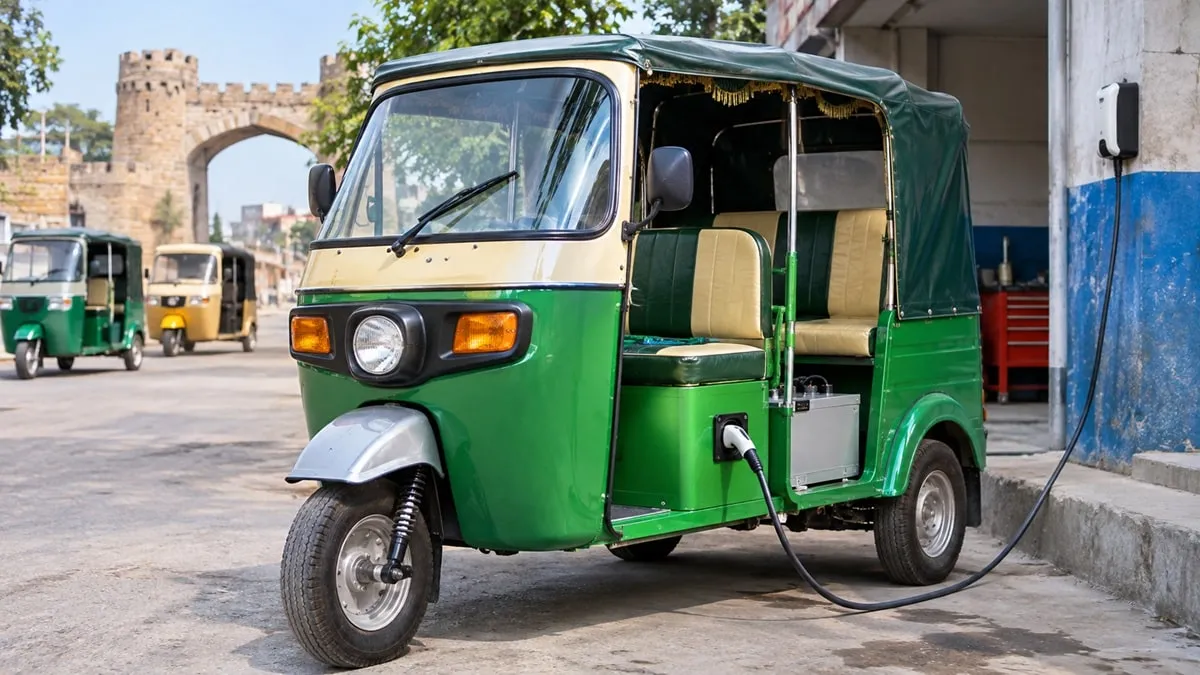
The Khyber Pakhtunkhwa government is set to launch a pilot project to convert existing petrol and compressed natural gas (CNG) rickshaws into electric vehicles (EVs), aiming to reduce air and noise pollution while lowering operating costs for drivers.
Advisor to the KP Governor, Asif Rafiq, said the initiative would initially be introduced in Peshawar, where pollution has become a major concern for public health and the urban environment.
How the Electric Rickshaw Conversion Project Works
Under the project, conventional rickshaws already operating on roads will be converted into EVs, eliminating exhaust emissions and significantly reducing noise. This mechanical shift represents a direct intervention in urban transport systems without requiring the complete purchase of new factory-built electric units, making the transition more practical for current operators.
Peshawar serves as the densely populated capital of the Khyber Pakhtunkhwa province, characterized by heavy traffic congestion and narrow commercial streets. Introducing the pilot phase here targets the densest cluster of motorized three-wheelers in the region, providing a measurable testing ground for air quality improvements.
Municipal authorities and transport planners have spent recent years evaluating ways to modernize the fleet of public transport vehicles. Three-wheeler auto-rickshaws provide daily mobility for thousands of residents but rely heavily on internal combustion engines that burn fossil fuels inefficiently in stop-and-go traffic.
Financial Relief for Rickshaw Drivers and Operators
Rafiq said the conversion would also provide financial relief to drivers, who currently spend around Rs. 30,000 to Rs. 40,000 per month on petrol and CNG. After switching to EVs, their monthly operating expenses are expected to drop to Rs. 10,000 or less.
This drastic reduction in overhead costs addresses a primary economic challenge faced by low-income transport workers. Fuel prices fluctuate regularly, creating severe budget strains for drivers who operate on thin daily margins.
He urged rickshaw drivers and union representatives to participate in the project and take advantage of the potential savings. Securing buy-in from local transport unions remains vital for the smooth execution of the pilot phase and subsequent rollout.
Combating Urban Air and Noise Pollution
Describing the initiative as a potential game changer for Peshawar, Rafiq said it would help reduce transport-related pollution while easing the financial burden on rickshaw operators. Urban centers across the country struggle with particulate matter and smog, largely driven by vehicular exhaust.
Noise pollution also plagues the commercial districts of Peshawar, where thousands of two-stroke and four-stroke engines rattle daily. Electric powertrains operate with minimal sound, offering immediate acoustic relief along busy thoroughfares.
Public health experts frequently link high urban pollution levels to rising respiratory illnesses among city dwellers. Cutting direct tailpipe emissions through electrification directly supports broader public health goals set by provincial administrators.
Future Expansion Plans Across Khyber Pakhtunkhwa
He added that the government plans to expand the project to other parts of KP after the successful completion of the pilot phase. Neighboring cities with high traffic densities could soon adopt similar conversion frameworks if the Peshawar trial yields positive results.
Rafiq reaffirmed the government's commitment to improving public transport facilities, protecting the environment, and promoting a modern and sustainable transport system across the province. Provincial authorities intend to monitor the operational data closely throughout the pilot period.
As urban populations grow, provincial infrastructure policies must adapt to environmental pressures. Programs targeting localized sources of pollution represent concrete steps toward long-term ecological sustainability in Pakistan.