Pakistan will launch its first-ever national diabetes prevention and control programme this month, a move announced at a scientific conference organised by the Diabetes Association of Pakistan (DAP) on World Diabetes Day.
The programme, developed under the direction of the Prime Minister, will be implemented over a three-to-five-year period and will be overseen by a committee whose members will be named within the next one to two weeks.
Why the Programme Is Needed Now
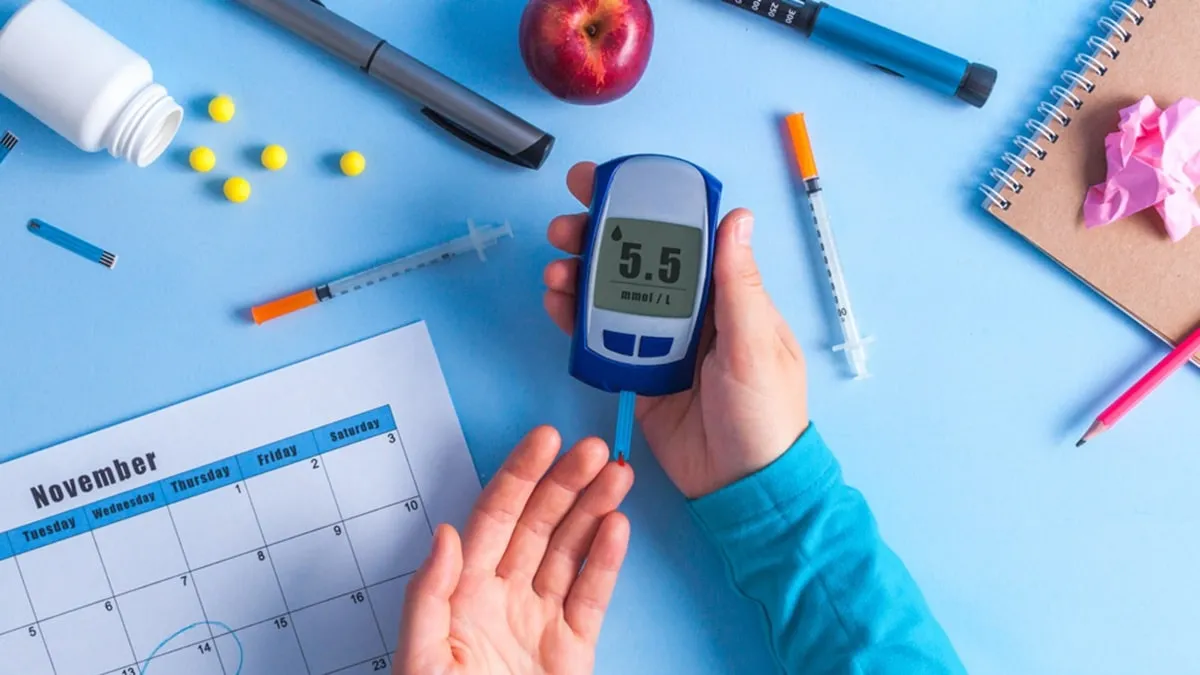
Pakistan ranks among the countries most affected by diabetes, with a reported prevalence rate of 33 percent, according to DAP Vice President (Academics) Prof. M. Zaman Sheikh. The disease often remains undetected for eight to 10 years, allowing complications to develop before a diagnosis is made. Early diagnosis, regular exercise and lifestyle changes are widely recognised as the most effective ways to curb the growing burden.
Key Elements of the New Programme
The initial phase will concentrate on two fronts: public awareness and early risk assessment. Risk assessment will use the RAPID Score, a validated tool that evaluates factors such as age, body mass index, family history and lifestyle habits to identify individuals at high risk of developing type 2 diabetes.
Following risk identification, the programme will establish prevention, diagnosis and treatment facilities across the country. These facilities are expected to be integrated into existing public health centres, allowing seamless referral from primary care to specialised services.
Mosque-Based Awareness and Screening Initiative
Dr. Abdul Basit, DAP General Secretary, announced a mosque-based diabetes awareness and screening initiative slated for early next year. The model is adapted from a successful project in Bangladesh that was developed by diabetes specialist Prof. AK Azad Khan.
In Bangladesh the pilot covered 100 mosques where religious leaders and their families received training on diabetes prevention. Short awareness messages were delivered during Friday sermons and screening stations were set up for men and women. Research from that pilot showed a reduction of new diabetes cases by up to 42 percent in the targeted areas within one year.
Following the pilot, the Bangladeshi effort expanded to approximately 300,000 mosques, reaching an estimated 20 million to 40 million people each Friday. The Pakistani version will aim to replicate that reach, eventually covering all 57 member states of the Organisation of Islamic Cooperation (OIC).
Funding and Implementation Timeline
A grant application has been submitted to the Higher Education Commission (HEC) to secure funding for the mosque-based component. The decision on the grant is expected within two to four months. Dr. Basit stated that the initiative will move forward using personal resources if the grant is not approved, ensuring that the programme's momentum is not lost.
The broader national programme will roll out in stages. Phase one - awareness campaigns and RAPID Score screenings - will begin within weeks. Phase two - establishment of dedicated prevention and treatment centres - is slated for the second year of the three-to-five-year horizon. Phase three will involve scaling up the mosque-based model nationwide.
How the Programme Aligns with Existing Health Policies
Pakistan's federal health ministry has previously launched campaigns targeting non-communicable diseases, but none have combined a national prevention strategy with community-based screening on the scale proposed here. The new programme aligns with the World Health Organization's Global Action Plan for the Prevention and Control of Non-Communicable Diseases, which emphasizes early detection, risk reduction and multisectoral collaboration.
By integrating the RAPID Score into routine primary-care visits, the programme leverages existing health infrastructure while adding a systematic risk-assessment layer. The mosque-based component adds a culturally resonant outreach channel that can reach populations that may otherwise avoid formal health facilities.
Potential Impact on Public Health
If the programme achieves outcomes similar to the Bangladeshi model, Pakistan could see a substantial decline in new diabetes cases within the first few years. A 42 percent reduction in targeted areas, as reported in Bangladesh, suggests that large-scale community engagement can translate into measurable health gains.
Beyond direct health outcomes, the programme is likely to generate secondary benefits such as increased health literacy, greater participation in preventive health services and strengthened ties between religious institutions and the health sector.
What Citizens Should Expect
In the coming weeks, public service announcements will appear on television, radio and social media, explaining the RAPID Score and encouraging individuals to attend local screening events. Health centres will begin offering free risk-assessment tests, and training sessions for mosque leaders will be scheduled in major cities.
People attending Friday prayers should anticipate brief messages from imams about diabetes risk factors, followed by optional on-site screening booths. Participation is voluntary, but the programme's designers stress that early detection can prevent complications that often arise after a decade of undiagnosed disease.
What to Watch for Next
The first official committee overseeing the programme will be announced within one to two weeks. Their composition, including representation from the health ministry, DAP and academic institutions, will shape implementation priorities.
Within two to four months, the HEC decision on the grant will become public. Regardless of the outcome, the programme will proceed, but the grant could accelerate the rollout of the mosque-based component.
Stakeholders, including provincial health departments and NGOs, are expected to submit implementation plans to the central committee. Monitoring and evaluation frameworks will be established to track reductions in incidence, changes in awareness levels and utilisation of screening services.
Overall, the launch marks a coordinated effort to tackle a disease that currently affects one-third of Pakistan's adult population. By combining risk assessment, public education and culturally attuned outreach, the programme seeks to change the trajectory of diabetes in the country.