Punjab Educational Boards Release March 2027 Matric Exam Schedule
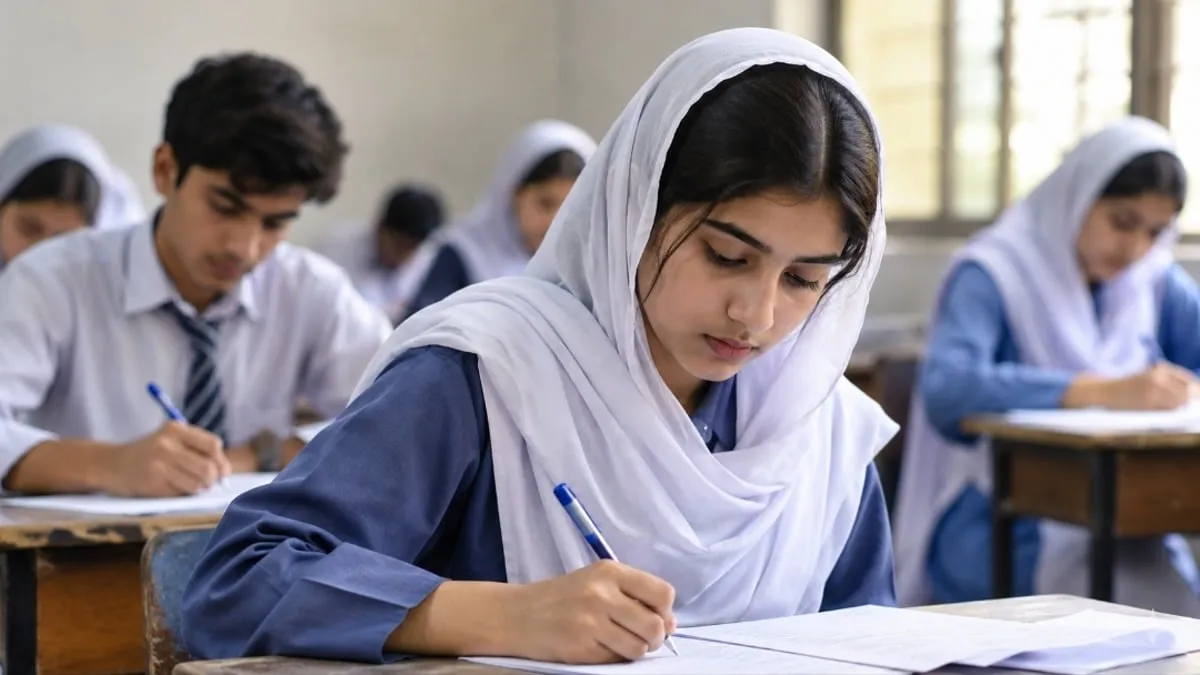
Punjab's nine educational boards have announced the admission schedule for the March 2027 matriculation examinations, with increased fees for regular and private candidates. The examinations will begin on March 16, 2027, according to the official notification. Students across the province must now prepare for a higher financial requirement to secure their enrollment for these important secondary school assessments.
The total admission fee has been set at Rs. 6,200 for regular candidates and Rs. 6,300 for private candidates. These figures represent the comprehensive cost for students registering for the upcoming board examinations. Education authorities oversee nine distinct regional boards throughout Punjab, which coordinate standardized testing and credential issuance for millions of young learners.
Understanding the New Punjab Matric Exam Fee Structure
The revised fee structure includes multiple component charges that add up to the final total. Specifically, the schedule details a certificate fee of Rs. 1,300, a processing fee of Rs. 1,300, postal charges of Rs. 300, a scholarship fee of Rs. 250, a development fund contribution of Rs. 400, and a Rs. 30 CCTV camera rental charge. These individual fees cover administrative overhead, postal dispatch of roll number slips and results, scholarship pools, institutional development, and monitoring equipment expenses inside examination halls.
Further breakdown of the charges reveals variations based on study group and candidate classification. Regular Class IX science students will pay an admission fee of Rs. 1,800, while arts students will pay Rs. 1,700. Private science candidates will be charged Rs. 1,900 for their registration. Such tiered pricing reflects the laboratory and practical examination requirements traditionally associated with science curricula compared to arts subjects.
Admission Deadlines and Late Fee Surcharges
Candidates must adhere to strict submission windows to avoid financial penalties. Candidates can submit admission forms with a single fee until December 11. Meeting this primary deadline allows students to pay the base rate without incurring extra charges.
For those who miss the initial window, late options are available with escalating penalties. The double-fee period will run from December 12 to 28, followed by the triple-fee period from December 29 to January 11. Educational boards enforce these strict cutoff dates to finalize examination centers, assign invigilation staff, and print question papers securely.
Criticism and Demands for Student Subsidies
The financial adjustments have drawn sharp criticism from education sector leaders. Irfan Muzaffar Kiyani, president of the All Pakistan Private Schools and Colleges Association, criticized the fee increases and called for subsidies and special concessions for students from low-income families. Representatives argue that rising costs place an undue burden on households already struggling with broader economic pressures, potentially threatening school retention and enrollment rates for vulnerable populations across the region.
Background on Punjab Educational Boards and Matric Examinations
The matriculation examination marks a major milestone in the Pakistani educational system, typically taken by students around the age of fifteen or sixteen after completing ten years of schooling. These standardized tests determine eligibility for higher secondary education, including intermediate colleges and vocational diploma programs. The nine boards operating across Punjab coordinate thousands of affiliated schools and examination centers, working to maintain testing integrity through modern measures such as surveillance cameras.
Over recent years, administrative costs associated with conducting widespread examinations have climbed steadily. Educational boards rely entirely on fee collections to finance paper setting, secure transport, evaluation centers, and security deployments. While authorities maintain that adjustments are necessary to sustain operational standards, school associations continuously lobby for state intervention to protect disadvantaged families from escalating costs.