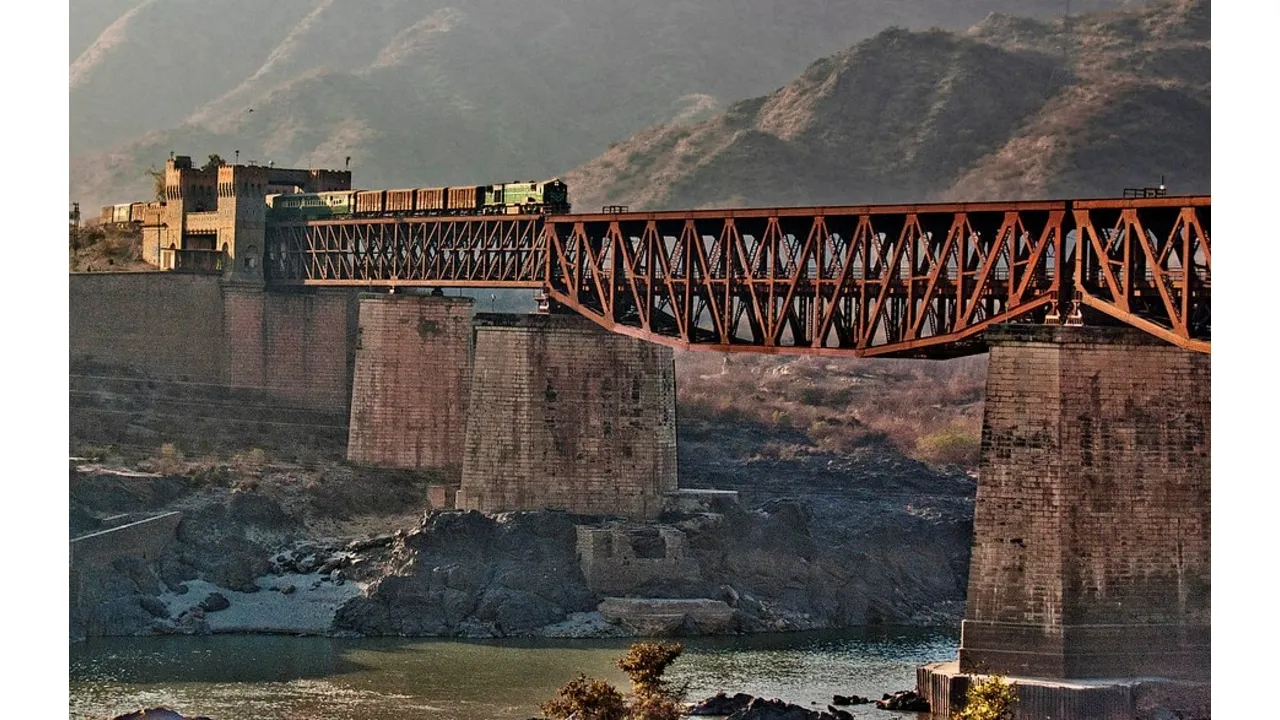
National Accountability Bureau Secures Valuable Railway Land in Attock
The National Accountability Bureau has secured approximately 5,360 kanals of Pakistan Railways land in Attock district, with an estimated market value of Rs. 100.618 billion. This major asset recovery operation marks a significant development in the protection of state property and public infrastructure assets within the region. Authorities conducted the entire operation over a sustained period to ensure that commercial and operational parcels belonging to the transport sector were freed from administrative discrepancies and legal vulnerabilities.
The NAB Islamabad and Rawalpindi office completed the exercise in coordination with relevant revenue authorities to verify ownership documents, resolve discrepancies in land records, and establish the legal status of the railway property. State property stewardship often requires meticulous administrative work to untangle historical disputes, verify boundaries, and prevent illegal occupation by private parties or unauthorized entities. By stepping in with enforcement powers and administrative coordination, the bureau bridged gaps between local district governance and federal transport holdings.
How the Land Recovery Operation Was Executed
The exercise covered seven revenue estates, also known as mouzas, in Attock district: Nara Taraf Saidan Khel, Injra, Jand, Hassan Abdal, Gurshin, Rakh Sarkar, and Jassian, including its Androon and Bairon areas. Each of these revenue estates presented unique administrative challenges that required on-the-ground verification, archival document searches, and cross-checking with historical property registers maintained by district administrators. Officials had to trace decades-old mutations and administrative notifications to piece together the legitimate boundaries of the state-owned tracks and surrounding infrastructure zones.
According to NAB sources, the process involved retrieving missing revenue records, reconciling land ownership details, and completing the required mutation proceedings in favor of Pakistan Railways. Archival records in rural and semi-urban districts often suffer from physical deterioration, missing pages, or conflicting manual entries that create openings for land grabbing. Investigators and revenue officers worked systematically through these records to establish an unassailable legal chain of title for every parcel included in the target acreage.
Official Recognition and Formal Transfer of Ownership
The bureau said the Divisional Superintendent of Pakistan Railways formally acknowledged and appreciated its role in scrutinizing, reconciling, and verifying the relevant land records. Inter-agency cooperation remains a cornerstone of large-scale asset recovery campaigns, as anti-corruption watchdogs depend on the operational insight of sector specialists to identify anomalies. Following the completion of the proceedings, the land was formally mutated in favor of Pakistan Railways, securing the railway property's ownership records. This formal mutation step acts as a legal shield against future encroachment attempts, ensuring that the properties are permanently registered under the proper departmental ledger.
Understanding the Role of Pakistan Railways Property Holdings
Pakistan Railways controls vast tracts of real estate across the country, much of which dates back to the colonial era when rail expansion required extensive rights-of-way. These land holdings include active rail corridors, station yards, workshop facilities, residential quarters for staff, and surplus acreage adjacent to tracks. Over decades, rapid urbanization, population growth, and shifting municipal boundaries turned many of these remote or rural parcels into high-value commercial properties. Protecting these assets from commercial encroachment is vital for maintaining the financial health of the national transport network, which relies on asset monetization and property management to support its core operations.
The Significance of Attock District in Regional Infrastructure
Attock district holds a strategic geographic position in Punjab province, serving as a vital transit corridor connecting major economic hubs and transport arteries. The presence of significant railway infrastructure, including historical junctions and major route alignments, makes the district a focal point for federal property management. Ensuring the integrity of railway boundaries in areas like Hassan Abdal, Jand, and surrounding mouzas prevents the fragmentation of vital transport corridors. Regional development plans depend on clear and unencumbered land availability for future track doubling, freight terminal expansion, and logistical modernization projects.
Administrative Challenges in State Land Management
Managing public sector land assets in Pakistan involves overcoming complex bureaucratic hurdles, outdated record-keeping systems, and persistent legal challenges from claimants. District revenue departments often manage millions of manual land files, making them vulnerable to tampering, misplacement, or deliberate distortion by corrupt elements. The collaboration between anti-corruption agencies and local revenue administration provides a model for systematically auditing public holdings without disrupting day-to-day governance. Resolving discrepancies in regions like Injra and Jassian demonstrates that targeted administrative interventions can restore billions of rupees worth of public assets to state control.
Future Implications for Public Asset Protection
The successful conclusion of the Attock land recovery operation sets a precedent for similar audits across other railway divisions and federal departments. Recovering valuable acreage allows state institutions to evaluate new options for asset utilization, ranging from commercial leasing to operational expansion. Observers and sector specialists will monitor how the railway administration secures these newly mutated parcels against future legal challenges or renewed encroachment attempts. Maintaining vigilance over these recovered estates remains essential to ensure that the massive financial valuation translates into tangible economic and operational benefits for the national transport network.