Punjab CM Approves Phase Two of CM Solar Panel Scheme
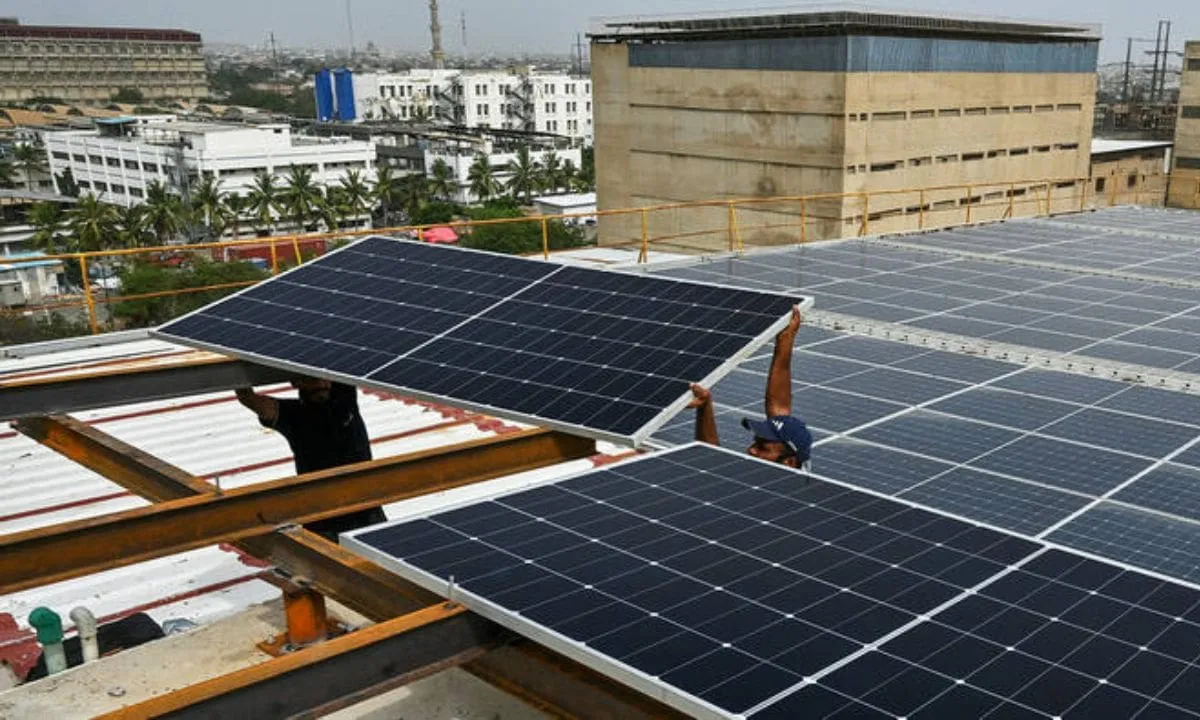
Punjab Chief Minister Maryam Nawaz Sharif has approved the second phase of the CM Solar Panel Scheme, raising the number of beneficiaries from 90,000 to 100,000. The expansion marks a significant push towards renewable energy adoption in the region, building upon the initial rollout of the provincial government's energy reform agenda. Alongside the core residential solar distribution, the administrative leadership sanctioned a targeted pilot project to install 5,000 solar panels in Cholistan. Furthermore, officials granted in-principle approval to transition water supply schemes at 40 locations in the same region to solar power.
According to media reports, the decisions were taken at a special meeting on energy chaired by the chief minister. Provincial Minister Faisal Khokhar and the Energy Secretary briefed the participants on the progress of ongoing energy initiatives and the financial implications of the new proposals. The administrative machinery aims to address persistent power supply challenges by decentralizing generation through photovoltaic systems.
Results and Public Response from Phase One
The first phase of the scheme received more than 350,000 applications, demonstrating high public demand for relief from mounting utility costs. Following rigorous verification processes, solar panels were provided to 89,869 people. Households that received the units successfully saved about one-third on their electricity bills. A public survey conducted by the Energy Department found that beneficiaries reported bills falling by nearly half, underscoring the tangible financial relief provided to ordinary citizens.
Domestic consumers across the province have faced rising electricity tariffs over recent years due to macroeconomic pressures and dependency on imported fossil fuels. Transitioning residential units to solar energy mitigates these pressures by lowering grid demand during peak daytime hours. The provincial government structured the initial rollout to target low-income households that struggle the most with monthly utility payments.
Energy Audits and Solar Upgrades for Major Hospitals
Building on the momentum of residential installations, the chief minister ordered an energy audit of all major hospitals in the province. Healthcare facilities operate around the clock and consume vast amounts of electricity to run critical care units, diagnostic equipment, and climate control systems. High power tariffs strain hospital budgets and occasionally lead to disruptions when grid outages occur.
To secure uninterrupted medical services, the chief minister directed that electric panels be installed in each hospital according to its energy load. Equipping major medical centers with dedicated solar infrastructure ensures that emergency departments and surgical wards maintain continuous power. This infrastructural upgrade protects vulnerable patients while reducing the operational overhead of public health institutions.
Waste-to-Energy and Biopower Initiatives in Punjab
Beyond photovoltaic solar solutions, the high-level meeting also gave in-principle approval to a pilot project to generate energy from 3,000 tons of waste. Urban and rural centers produce massive quantities of municipal solid waste that traditionally end up in open landfills, creating environmental and public health hazards. Harnessing this refuse for power generation addresses waste management while adding clean megawatts to the provincial energy pool.
The chief minister asked for a comprehensive plan, developed in collaboration with Suthra Punjab, for waste-to-energy and biofuel projects. Participants reviewed bioenergy and biofuel projects based on animal, agricultural, and solid waste. A report was presented on a proposed biorefinery in Nankana that would use paddy and other crop residue, offering a practical solution to stubble burning that causes seasonal smog.
Unlocking Biogas Potential from Agricultural and Animal Waste
The meeting reviewed plans for commercial-scale, private dairy, and community-based biogas plants across the province. Agricultural regions generate immense organic byproducts that can be converted into clean cooking fuel and electricity. Officials were informed that Punjab can produce 7.15 billion cubic metres of biogas from 490,000 tons of animal waste.
When combined, animal, agricultural, and solid waste can generate 1.6 billion units of electricity. These decentralized energy sources empower rural communities to achieve energy independence. By using locally available organic waste, the province reduces its reliance on centralized grid distribution and imported fuels.
Expanding Solar Infrastructure in Public Schools
Education infrastructure has also been incorporated into the broader provincial renewable energy strategy. The meeting was told that 76 schools have already been shifted to solar energy under a pilot project. Supplying educational institutions with reliable solar power prevents classroom disruptions caused by load shedding and lowers institutional utility bills.
Expanding solarization across public schools exposes students to renewable technologies from an early age. The provincial administration intends to monitor the performance of these initial school installations before planning broader expansions across the educational network. Each phase of the current energy strategy combines direct consumer relief with institutional self-sufficiency.