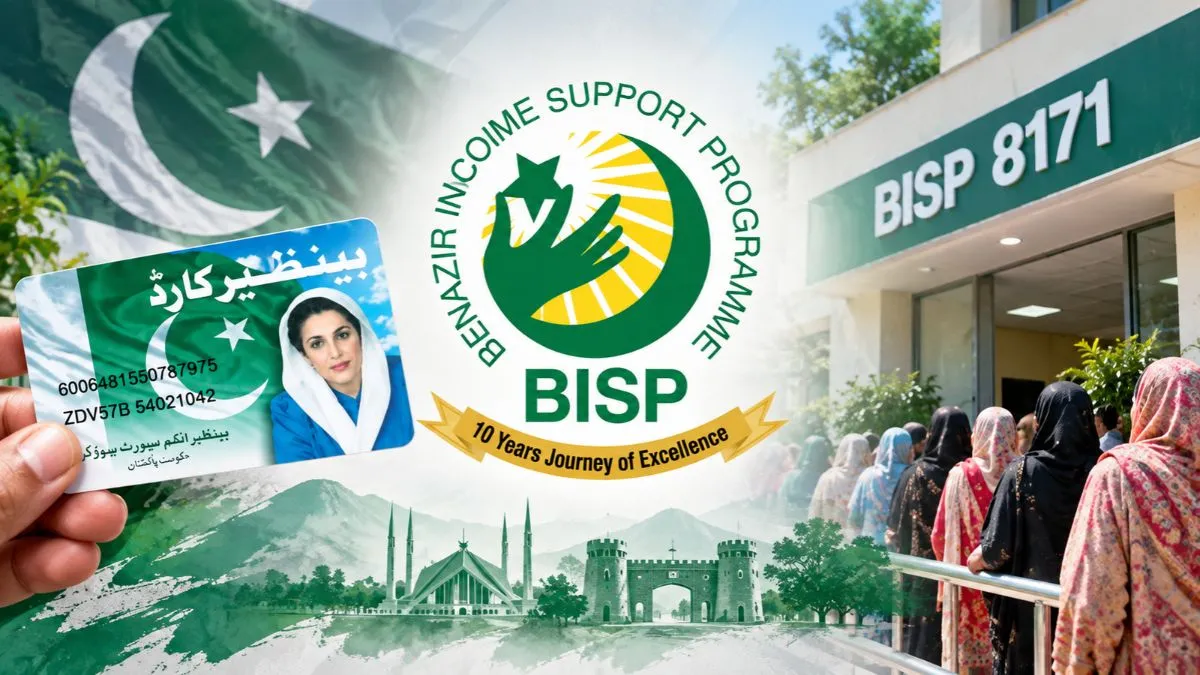
The Benazir Income Support Program has explained how beneficiaries can report unauthorized deductions from their financial assistance payments and recover the deducted amount.
According to the official guidelines, beneficiaries who receive less than their entitled payment can register a complaint at their nearest BISP tehsil office. They can also contact the program's toll-free helpline at 0800-26477 for assistance.
The program has outlined the complaint registration process, required information, and steps authorities will take against those responsible for making unauthorized deductions.
How to File a BISP Payment Deduction Complaint
Beneficiaries facing payment deductions must visit their nearest BISP tehsil office to register a complaint.
Upon reaching the office, they should contact the Assistant Director or the relevant official handling payment-related complaints.
Applicants must then obtain a complaint form and provide their personal information, including their full name, Computerized National Identity Card number, mobile number, payment collection location, and the amount deducted from their payment.
After completing the form, beneficiaries must submit it to the concerned official, who will register the complaint for further processing.
Those who face difficulties completing the complaint form can seek assistance from BISP staff at the tehsil office.
Documents Required for a BISP Complaint
BISP has advised beneficiaries to bring their original Computerized National Identity Card and mobile number when visiting the tehsil office.
Applicants should also know the location where they received their payment and the exact amount deducted.
Providing accurate information will help officials examine the complaint and identify the individuals involved in the reported deduction.
How to Report BISP Payment Deductions Through the Helpline
Beneficiaries who need assistance can also contact BISP through its official toll-free helpline at 0800-26477.
Callers can explain their payment-related problems and provide the necessary information to the helpline staff.
The service is available for complaints about unauthorized deductions and other issues related to BISP payments.
Beneficiaries can also visit their nearest tehsil office if they need help with complaint registration.
Understanding the Benazir Income Support Program and Financial Relief
The Benazir Income Support Program serves as a central social safety net for vulnerable populations across the country, delivering essential cash transfers to help families manage poverty and economic hardship. Millions of citizens rely on these stipends to purchase basic necessities, making timely and accurate payouts a critical priority for the administration. Over the years, the government has expanded the reach of the initiative, introducing digital payment mechanisms through partner banks and retail agents to streamline distribution.
Despite these modernization efforts, operational challenges occasionally arise at local distribution points where intermediaries or corrupt agents attempt to siphon funds from unsuspecting recipients. These illegal deductions undermine the core purpose of the welfare safety net, leaving vulnerable households with less money than the state intended. Program administrators take strict measures against such exploitation, establishing direct reporting channels to catch offenders and restore full financial benefits to rightful claimants.
What Happens After You Register a Payment Complaint
Once a beneficiary submits a grievance form or calls the official support line, administrative authorities initiate a verification process to trace the transaction. Field officers review records from the specific payment center or retail agent mentioned in the report, cross-referencing CNIC numbers and disbursement logs. If an unauthorized deduction is verified, internal disciplinary procedures and legal actions are triggered against the responsible party, which may include terminating the franchise of the payment retailer.
Recovering the stolen funds requires patience while officials audit the local distribution records and substantiate the claim. Beneficiaries are advised to keep their contact numbers active so that program representatives can reach them with updates regarding the status of their inquiry. State authorities emphasize that transparency and strict accountability are necessary to deter dishonest agents from targeting impoverished citizens at distribution hubs.
Preventing Unauthorized Deductions at Local Payment Sites
Recipients can protect themselves by staying informed about their exact stipend amounts before arriving at collection booths or retail shops. Retail agents are legally barred from charging any service fees, commissions, or extra charges for dispensing government welfare grants. If an agent demands a cut or claims a system fee applies, beneficiaries should immediately refuse compliance and note the identity of the shop or individual.
Community awareness campaigns frequently remind citizens that government financial assistance is entirely free of administrative fees at the point of delivery. By reporting every instance of extortion or shortchanging, recipients help authorities clean up the distribution network and safeguard fellow community members from financial abuse. Using the toll-free helpline or visiting local administrative offices ensures that fraudulent actors face consequences for exploiting public welfare funds.





