Punjab Completes Major 128-Kilometre Road Infrastructure Project
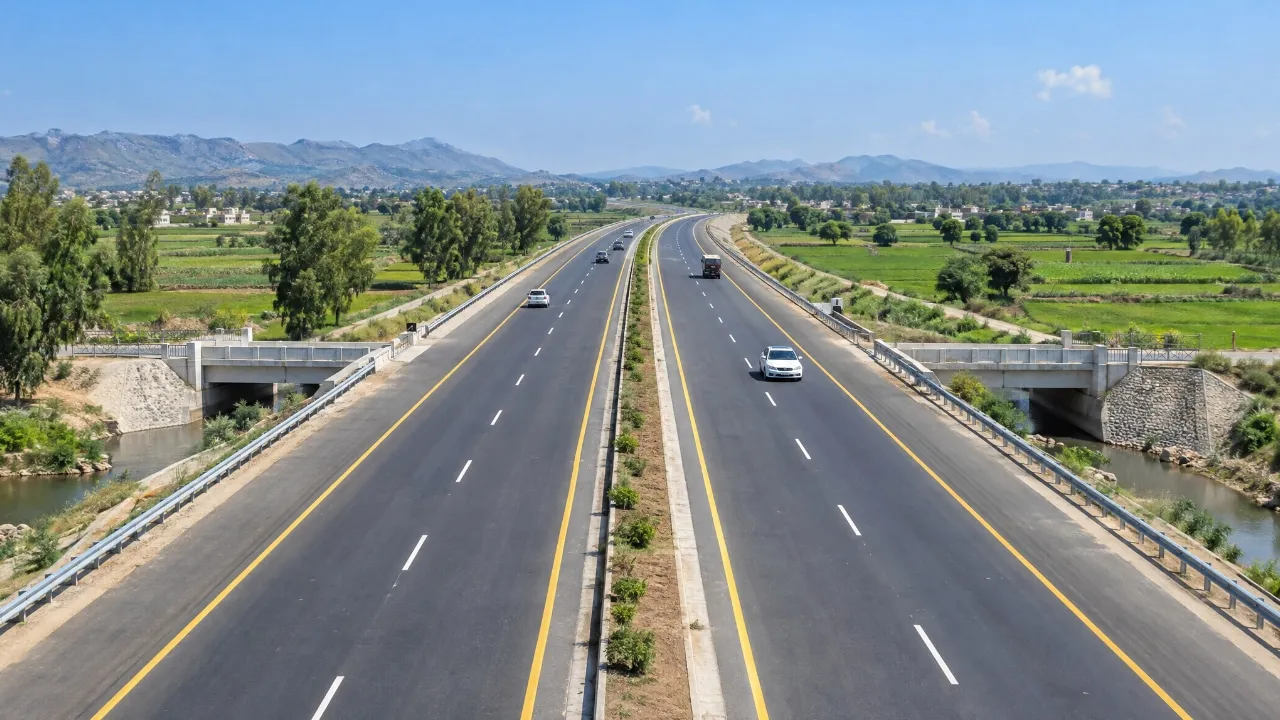
The provincial administration in Punjab has officially finished the 128-kilometre Lillah-Jhelum Road project, concluding five years of construction work that began in 2021. This infrastructure undertaking directly improves transportation and daily connectivity for residents living across Jhelum and Pind Dadan Khan. Major transport projects of this scale require extensive planning, engineering work, and financial allocation from the provincial government to ensure remote areas link effectively with major national transit corridors.
Chief Minister of Punjab Maryam Nawaz Sharif formally congratulated the Communication and Works Department for finishing the assignment. During her review, she also issued directives to officials to accelerate ongoing work on the separate Jhelum-Pind Dadan Khan Road to maintain momentum in regional development. Public infrastructure initiatives of this magnitude serve to reduce travel times, lower vehicle maintenance costs for commercial transporters, and integrate agricultural communities into broader consumer markets.
Specifications and Financial Details of the Dual Carriageway
During a comprehensive briefing given to provincial leadership, officials confirmed that the newly constructed dual carriageway cost a total of Rs13.538 billion. The primary objective of this investment is to link Pind Dadan Khan directly with the Lillah Interchange, facilitating smoother movement for both passenger vehicles and heavy freight trucks. Before this upgrade, the narrow roadway created severe bottlenecks and safety hazards for daily commuters traveling through the area.
To resolve past traffic congestion, engineers widened the existing road structure significantly. The previous width of 20 to 24 feet has now been expanded to 76 feet across the entire stretch. This massive expansion accommodates higher traffic volumes safely and reduces the frequency of road accidents caused by cramped driving conditions and heavy commercial vehicles sharing narrow lanes with local traffic.
Engineering Features and Divided Construction Sections
To manage the massive scope of work efficiently, project planners divided the 128-kilometre undertaking into five distinct sections. This segmental approach allowed contractors to work simultaneously on different parts of the route, ensuring timely completion despite geographical and logistical challenges. The finished corridor also incorporates a 4.2-kilometre Jalalpur bypass and a 3.98-kilometre Pind Dadan Khan bypass to route through-traffic away from congested town centers.
The engineering blueprint includes critical water management and structural support elements essential for durability in the local climate. Workers constructed 185 small bridges along the route, while three additional culverts are scheduled for completion shortly. Furthermore, modern paved shoulders have been integrated into the design to strengthen the road edges against heavy loads and improve overall traffic movement for all motorists.
Broader Impact on Regional Economy and Transport
The newly finished transport link is expected to transform daily life for local inhabitants and commercial transporters alike. By connecting isolated settlements to major highways, the initiative supports local economic activity, agricultural trade, and industrial transport. Farmers and local merchants can now move their goods to major urban markets with less risk of delay or cargo damage caused by poor road surfaces.
Regional transport upgrades play a vital role in reducing poverty and encouraging investment outside major metropolitan areas. When commercial vehicles move efficiently between rural production centers and city distribution hubs, supply chain costs drop. This economic benefit ultimately trickles down to consumers through lower prices for goods and improved access to essential public services like healthcare and education.
Wider Infrastructure Vision Across Punjab Province
Discussing the broader strategy for the region, Chief Minister Maryam Nawaz stated that the provincial government is not simply building thousands of kilometres of roads, but is making history in Punjab transport infrastructure. This perspective highlights a shift toward systematic, large-scale regional planning aimed at modernizing the entire province rather than patching isolated transit routes. Modern transport networks form the backbone of industrial and agricultural growth in any developing region.
The chief minister further noted that concurrent efforts involving the construction, expansion, and rehabilitation of 35,000 kilometres of rural link roads across the province represent an unprecedented administrative push. These rural arteries connect remote villages to tehsil and district headquarters, ensuring that even the most isolated farming communities share in the benefits of provincial development budgets. Proper maintenance systems will be required to preserve these newly built assets over the coming decades.
Next Steps and Future Regional Connectivity Goals
With the Lillah-Jhelum corridor now open to public traffic, attention shifts to completing remaining regional connectors. The directive to accelerate work on the Jhelum-Pind Dadan Khan Road signals that the provincial administration intends to maintain pressure on contractors and engineering departments. Timely execution of these complementary projects will maximize the utility of the major investment just completed.
Observers and local residents should monitor official announcements regarding the final completion of the remaining culverts and the secondary road segments. As the Communication and Works Department shifts personnel and machinery to new assignments, regional stakeholders will evaluate how effectively these completed corridors translate into sustained economic growth and improved public mobility across Jhelum and Pind Dadan Khan.





