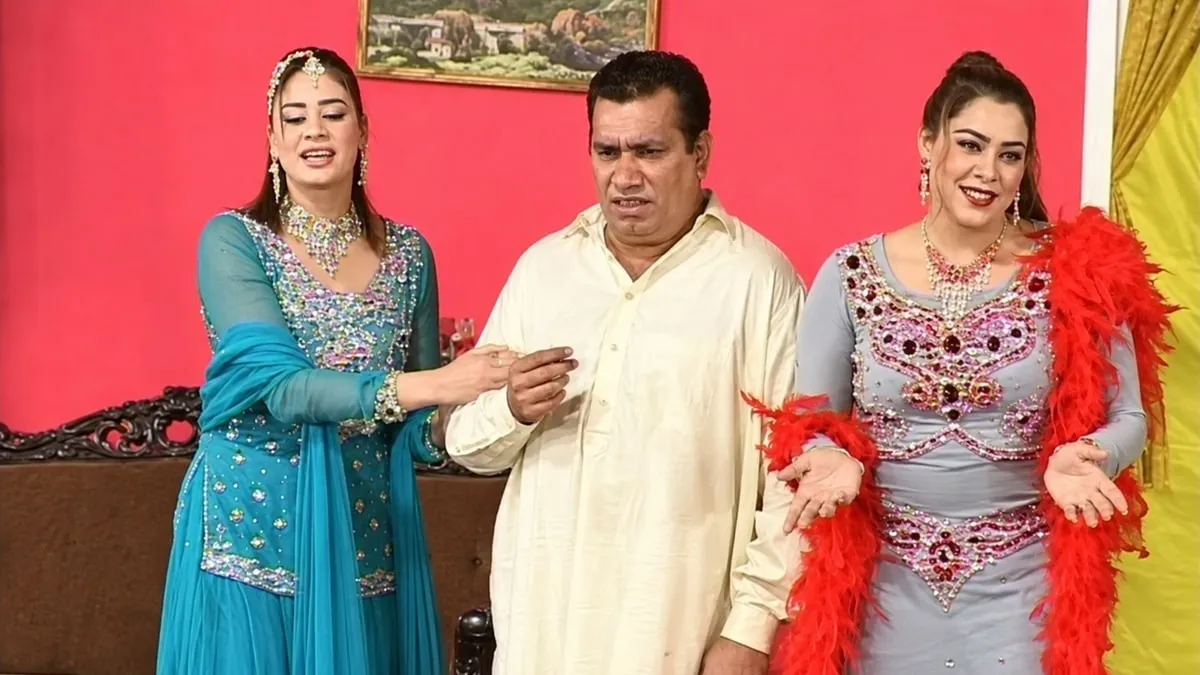
Punjab Council of the Arts Targets Theater Violations
The Punjab Council of the Arts has taken formal action against the entertainment sector by issuing official notices to more than 10 theater halls and several performers. This regulatory crackdown follows allegations of violations of the Drama Act and direct obstruction of performance monitoring procedures across multiple venues. Authorities discovered that several establishments failed to maintain active surveillance systems during live stage productions.
According to official reports, the regulatory body stepped in after field inspections and monitoring committee reviews highlighted widespread non-compliance. The affected theater halls span multiple cities, pointing to a broader pattern of administrative oversight and rule-breaking within the regional commercial stage circuit. Both venue proprietors and individual artists now face strict scrutiny and have been given tight deadlines to explain their actions to the government.
Cities and Venues Affected by the Crackdown
The administrative sweep conducted by the Punjab Council of the Arts covers a wide geographical area within the province. Authorities found CCTV cameras switched off during plays at theater halls located in Lahore, Sheikhupura, Gujrat, Bhakkar, Mailsi, Multan, and Dera Ghazi Khan. These regional venues form the backbone of local commercial theater, catering to large audiences who attend daily stage productions.
The widespread nature of this technical failure raised immediate red flags among regulatory officials. Stage monitoring relies heavily on digital oversight to ensure that live performances adhere to cultural guidelines and licensing requirements set by the provincial government. When venue operators disable their recording equipment, monitoring committees lose the ability to oversee productions remotely.
Why Inactive CCTV Cameras Disrupted Monitoring
The inactive cameras disrupted the council's electronic monitoring of stage productions, creating a significant blind spot for the oversight body. Modern regulatory frameworks rely on digital infrastructure to track events in real time without requiring physical inspectors to be present at every venue every night. When theater owners switch off their security feeds, they undermine the entire oversight mechanism established by the state.
Regulatory authorities depend on continuous video feeds to record plays and evaluate whether actors maintain appropriate conduct on stage. Without functional cameras, monitoring teams cannot verify complaints or ensure that productions comply with the licensing terms granted by the culture department. This technical blackout forced the council to issue administrative notices demanding immediate explanations from the venue managements.
Artists Named in the Regulatory Notices
Beyond the penalties directed at theater managements, the council also issued notices to specific performers over allegedly inappropriate performances. The named individuals include Rashid Kamal, Hira Khan, Zartash Khan, Soha Khan, and Manal Khan. These performers are well-known figures within the regional theater circuit, regularly appearing in commercial stage dramas across the province.
The allegations against these artists tie directly into the broader mandate of the Drama Act, which governs the content and presentation of live theatrical works. While specific details of the performances remain under administrative review, the council maintains that stage acts must conform to established standards of public decency and artistic presentation.
Role of Director Operations Mughees bin Aziz
According to sources within the administration, Director Operations Mughees bin Aziz issued the notices following a comprehensive monitoring committee report. The committee compiled findings from various cities regarding both technical non-compliance and stage conduct before submitting its official assessment to the senior leadership.
This administrative chain of command ensures that formal actions are backed by documented evidence gathered by inspection teams. Theater owners and the named artists have been directed to submit written responses within two days, setting a fast-paced legal timeline for the defense of those accused.
Deadlines and Potential Penalties for Non-Compliance
The notices address both the alleged performance violations and the difficulties monitoring teams faced when checking theatre productions remotely. The administration established a strict two-day window for all recipients to present their case and clarify their positions regarding the infractions.
The council warned that theater owners and performers would face strict action under the law if they failed to provide satisfactory responses within the deadline. Such actions could potentially include heavy fines, suspension of operating licenses, or temporary bans from performing on public stages across the province.





