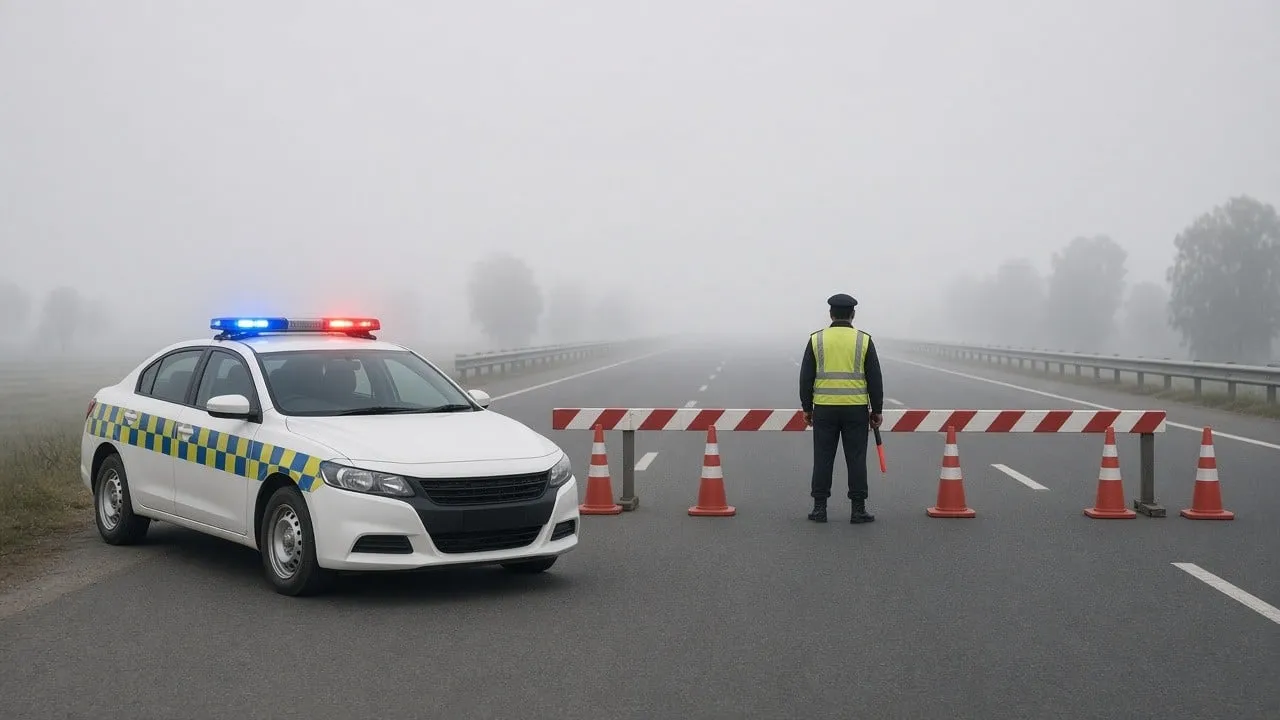
Punjab Highway Patrol Prepares for Winter Fog and Motorway Closures
The Punjab Highway Patrol (PHP) has directed its officers across the province to identify alternative routes and prepare traffic diversion plans to manage possible motorway closures caused by fog and low visibility. Winter weather patterns in the region frequently bring dense fog, reducing visibility on major transportation corridors to dangerous levels and prompting authorities to restrict vehicular movement.
Officers have been given two days to submit a detailed report to PHP Headquarters, outlining link roads, traffic diversion points, and other necessary arrangements. This proactive directive aims to prevent severe traffic gridlock and maintain public safety when major thoroughfares experience seasonal shutdowns.
Official Directives and Administrative Orders
According to a letter issued by Superintendent of Police Headquarters Kamran Akhtar on behalf of the Additional Inspector General of PHP, the National Highways and Motorway Police may close certain motorway sections during foggy weather, diverting traffic to alternative routes. The National Highways and Motorway Police hold the primary authority for regulating traffic on high-speed federal corridors, but regional diversions frequently push high volumes of vehicles onto provincial roads.
Since some of these routes fall under PHP jurisdiction, officers have been instructed to make advance arrangements to ensure smooth traffic flow and prevent inconvenience to motorists. Winter fog hazards present recurring logistical challenges for transportation authorities, requiring close coordination between provincial law enforcement and national highway authorities.
Identifying Link Roads and Traffic Diversion Points
All regional officers, district officers, and relevant PHP staff have been directed to identify link roads in their respective patrol areas that may be used for diverted motorway traffic. They must also identify entry points where traffic from alternative routes will enter PHP jurisdiction. Officers must catalog every viable secondary road that can safely absorb heavy transit vehicles and passenger cars without collapsing under the sudden influx.
The officers have been instructed to coordinate with district traffic police officers (DTOs) to prepare comprehensive diversion plans, clearly marking traffic diversion points and the arrangements required to keep vehicles moving. Inter-agency communication is vital to ensure that local police forces and highway patrols operate under a unified strategy when visibility drops suddenly.
Infrastructure and Signage Improvements for Low Visibility
PHP will also work with motorway police and DTOs to install reflective signboards at relevant diversion points, providing clear directions to motorists during fog and poor visibility. Reflective signage is critical during nighttime and early morning hours when thick winter haze obscures standard road markers and street signs.
Regional officers and other PHP officials have been directed to personally oversee the preparations and ensure that all arrangements are finalized in coordination with the concerned authorities. Direct field supervision ensures that logistical gaps are identified and corrected before adverse weather conditions set in across the region.
Reporting Deadlines and Implementation Measures
A detailed report covering the identified routes, diversion points, and traffic management measures must be submitted to PHP Headquarters within two days. This strict timeline forces local commands to complete their physical surveys and inter-agency consultations rapidly.
Once headquarters reviews the submitted reports, provincial commanders will finalize the operational blueprint for the winter season. Motorists traveling through the province can expect increased police presence and new directional markers along secondary roads as these emergency protocols take effect.





