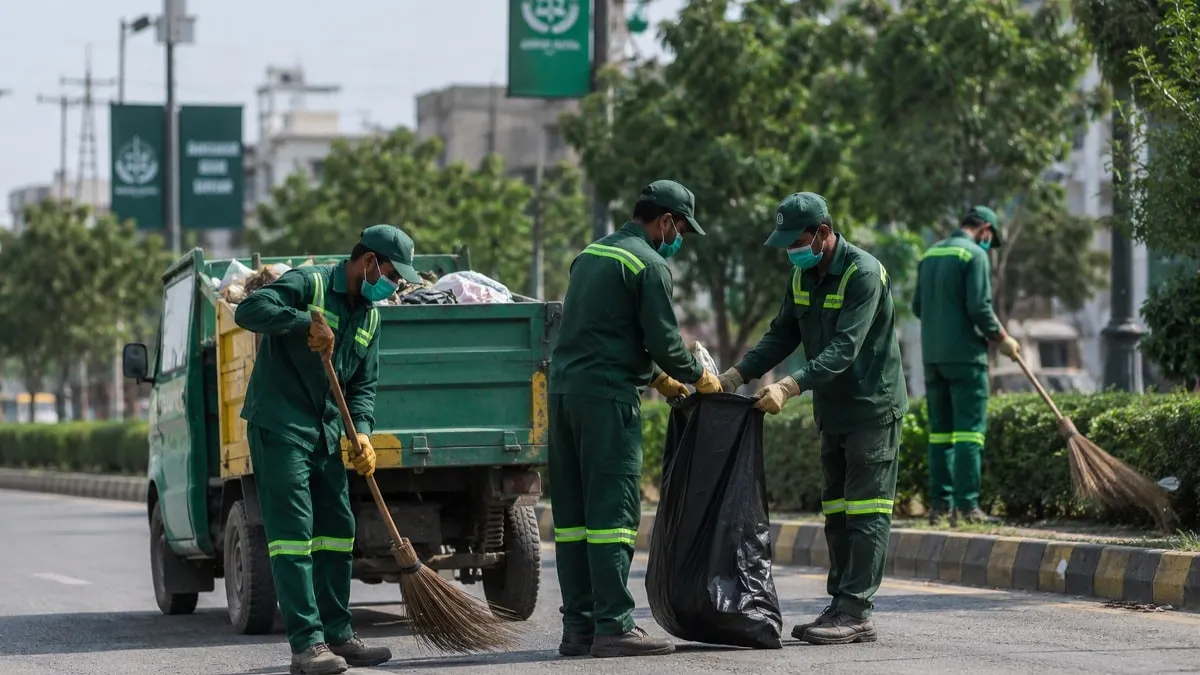
Punjab Makes Garbage Tax Payment Mandatory for Property Transfers
The Punjab government has instituted a new mandate requiring property owners to clear all outstanding garbage tax liabilities before they can obtain the necessary no-objection certificate for selling or transferring real estate. This policy change directly connects municipal sanitation compliance with official property documentation, ensuring that municipal authorities can secure collection rates across the region. Property owners who fail to settle these environmental fees will find themselves unable to complete standard commercial transactions or ownership changes until their financial obligations are fully met.
According to excise officials, authorities will issue second-quarter garbage tax bills starting January 1. Meanwhile, they will soon complete the distribution of outstanding first-quarter bills to residents across the province.
How the Province-Wide Garbage Tax Rollout Works
Punjab began issuing garbage tax bills province-wide on September 1. So far, authorities have distributed 1.4 million bills across the province, including Lahore. The systematic distribution represents a major effort by regional administrators to streamline solid waste management funding and establish a reliable revenue stream for urban sanitation operations.
The institutional framework relies on coordination between the Excise Department and local municipal bodies. Officials stated that Punjab has approximately five million property units in total. Around 20% fall within housing societies and towns where local management already collects cleaning fees and provides solid waste management services. These particular areas will remain exempt from the provincial garbage tax to avoid double taxation on residents who already pay private maintenance fees.
Excise Department Revenue and Digital Bill Access
Financial collection figures released by regional administrators show positive early returns for the public treasury. The Excise Department has collected more than Rs. 24 million in garbage tax over the past two months. This early yield demonstrates high initial compliance among property holders who are adapting to the new municipal regulations.
To assist citizens in meeting their obligations, administrative agencies have introduced digital accessibility options. Property owners can also obtain their bills online by entering their property number on the Excise Department website. This digital gateway allows residents to verify their billing status without visiting physical government offices, reducing administrative bottlenecks and speeding up the payment process.
What the New Policy Means for Property Owners
The enforcement mechanism creates a direct prerequisite for anyone planning to divest or transfer real estate holdings. Officials reiterated that owners must pay the tax on time to secure the no-objection certificate needed for property sales and transfers. Authorities will withhold the certificate if the required payment remains outstanding.
Sellers must incorporate municipal tax clearance into their timeline when preparing properties for the market. Real estate agents and legal advisors recommend checking tax records well in advance of any planned sales agreement to prevent unexpected delays at the registry office. Because the certificate acts as a legal prerequisite for ownership changes, an unpaid sanitation bill can halt an entire commercial transaction.
Background of Solid Waste Management in Punjab
The introduction of a standardized provincial garbage tax stems from ongoing efforts to modernize urban cleanliness and waste disposal infrastructure. Major urban centers like Lahore have historically struggled with solid waste management funding, often relying on provincial subsidies rather than direct user fees. By structuring the collection through the Excise Department, the government aims to create a sustainable financial model for municipal sanitation companies.
The policy also addresses historical disparities in sanitation service delivery between formal urban areas and peripheral neighborhoods. While private housing societies have long managed their own waste collection through local maintenance charges, government-administered zones required structural reform to cover operational costs. The current 20% exemption for organized housing societies acknowledges existing private frameworks while bringing government-taxed properties into a unified system.
Next Steps for Taxpayers and Enforcement Procedures
As the administrative machinery prepares for the upcoming billing cycle, property owners must monitor their payment deadlines closely. With second-quarter bills scheduled for release on January 1, taxpayers face a structured calendar of financial obligations throughout the year. The completion of first-quarter bill distribution remains an immediate priority for field officers.
Citizens should use the online portal provided by the Excise Department to check their account balances and avoid compliance issues. Authorities continue to monitor property transfer applications carefully at all regional registry offices to ensure that no certificates are issued without verified tax clearance. Observers expect collection figures to rise further as more property owners navigate the updated requirements for real estate transactions.