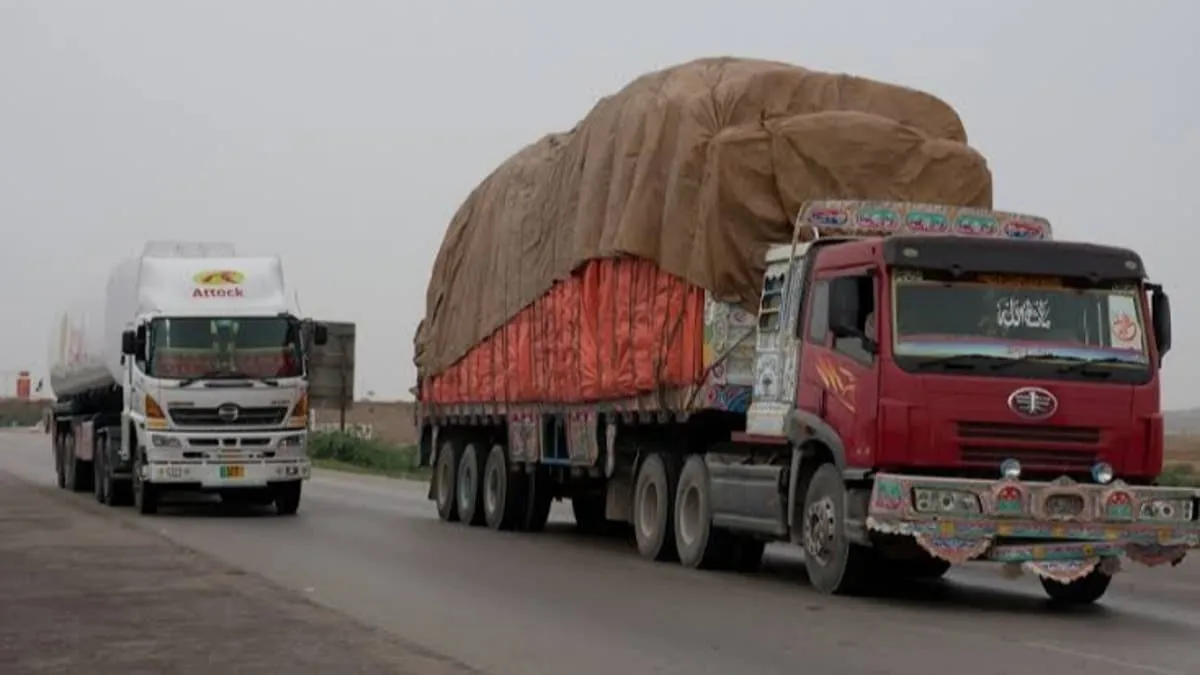
All Pakistan Goods Transport Alliance Cuts Freight Rates
The All Pakistan Goods Transport Alliance has announced a 5 percent reduction in freight rates across the country. This decision follows recent downward adjustments in the market prices of petrol and diesel. Transporters moved quickly to pass on the savings after government policy changes lowered fuel costs over a span of four to five days.
Alliance President Malik Shehzad Awan confirmed the adjustment during a public briefing. He stated that the transport sector chose to lower its service charges in direct response to the fuel price relief provided by authorities. Commercial freight operations rely heavily on diesel and petrol, meaning any change in pump prices directly alters operating budgets for fleet owners.
Logistics operators across the region welcomed the initial relief. Business owners and manufacturers who depend on cargo transport expect shipping expenses to drop accordingly. The reduction affects commercial supply chains moving goods between major industrial hubs and retail markets.
Details of Recent Petrol and Diesel Price Reductions
The freight rate adjustment comes directly on the heels of official notifications lowering petroleum tariffs. Specifically, the government reduced the price of petrol by Rs. 9.41 per liter. Following this downward adjustment, the new retail price for petrol stands at Rs. 352.59 per liter.
At the same time, authorities decreased diesel prices by Rs 5.56 per liter. This change brought the new rate for diesel to Rs. 382.25 per liter. Diesel remains the primary fuel source for heavy commercial trucks and long-distance cargo haulers operating within the national transit network.
Transporters monitor fuel boards closely because petroleum expenses constitute the single largest operational cost for cargo businesses. Even marginal shifts in fuel tariffs alter profit margins for small truck owners and large logistics companies alike. The combination of petrol and diesel relief created sufficient room for the alliance to mandate the 5 percent rate cut.
Industry Demands for Further Fuel Relief
Despite implementing the reduction, transport leaders argue that current fuel costs remain high. Alliance President Malik Shehzad Awan expressed gratitude toward the prime minister and the federal petroleum minister for the recent price cuts. However, he quickly urged the government to implement additional reductions on petrol and diesel tariffs.
Transport representatives maintain that further price relief is necessary to sustain the sector against broader economic pressures. Spare parts, tires, and maintenance services have seen rising costs over recent years. Transporters argue that lower fuel overhead helps offset these auxiliary expenses, allowing them to keep freight prices stable for consumers.
The alliance continues to engage with federal officials regarding sector-specific taxation and regulatory hurdles. Industry stakeholders hope that sustained lower fuel tariffs will stimulate manufacturing activity and trade volume. Without additional relief, transport operators warn that future inflationary spikes could force them to reverse course on pricing.
Economic Impact on Supply Chains and Consumers
Freight rates dictate the baseline cost of moving raw materials, agricultural produce, and manufactured goods across the country. When transport costs decrease, wholesale merchants and retail stores experience lower overhead expenses. Analysts note that these savings eventually trickle down to everyday shoppers purchasing essential commodities.
Businesses operating in the agricultural sector stand to benefit significantly during harvest seasons. Moving crops from rural farms to urban distribution centers requires extensive fuel consumption. A 5 percent drop in freight charges lowers the financial burden on farmers who rely on commercial trucks to sell their harvest.
Retail enterprises across urban centers also anticipate lower shipping invoices for inventory replenishment. While individual transport savings on a single shipment might appear modest, cumulative reductions over thousands of cargo runs create substantial economic relief. Consumers watching inflation figures closely view the transport sector adjustment as a positive development for household budgeting.
What Comes Next for the Pakistani Transport Sector
Federal petroleum authorities have not yet announced any scheduled dates for subsequent fuel price reviews. Market observers track international crude oil benchmarks and currency exchange rates to predict upcoming domestic pricing shifts. Transporters remain alert to any global commodity market fluctuations that might influence local fuel boards.
The All Pakistan Goods Transport Alliance plans to monitor fuel pricing trends closely over the coming weeks. If authorities introduce further cuts, leadership will evaluate whether additional freight adjustments are feasible. Conversely, any upward revision in petrol or diesel tariffs would likely force the alliance to reconsider its current pricing structure.
For now, commercial fleet operators are implementing the 5 percent discount across active shipping contracts. Business clients hiring transport services should verify that logistics providers apply the updated rates to current freight bills. Industry associations continue to maintain an open dialogue with the petroleum ministry regarding long-term cost stabilization policies.