Punjab Revenue Authority Targets e-IMS Compliance Across Five Divisions
The Punjab Revenue Authority (PRA) has issued show-cause notices to more than 65 business operators during e-IMS compliance checks across five divisions. In a November 26 statement from Lahore, the authority said its officers are checking whether businesses have installed the Electronic Invoice Monitoring System (e-IMS) and are using it correctly.
This recent regulatory push highlights the ongoing efforts by provincial tax authorities to tighten financial reporting standards. Business operators in major commercial hubs now face strict scrutiny regarding their billing infrastructure. The authority dispatched enforcement teams to inspect commercial establishments and verify operational hardware and software integration.
Inspectors focused heavily on whether business owners completed the mandatory integration process. Establishments found operating outside the digital framework received formal notices requiring immediate written explanations. Tax officials maintain that physical verification remains necessary to ensure compliance directives translate into operational reality.
Understanding the Electronic Invoice Monitoring System
The Electronic Invoice Monitoring System serves as a technological bridge between commercial enterprises and provincial tax collection agencies. By automating the reporting of sales transactions, the platform minimizes human intervention in tax assessment. Every transaction processed through the system transmits data directly to government servers in real time.
Previously, PRA directed all hotels and restaurants in Punjab to install e-IMS to ensure timely payment of taxes. This directive was issued during a meeting with the Hotels and Restaurant Association on Friday, November 6, 2026. Sector representatives engaged with tax officials to discuss implementation timelines and technical requirements during those consultations.
The hospitality sector holds a primary position in this rollout due to high transaction volumes and cash flow characteristics. Restaurants and hotels routinely handle numerous daily transactions, making automated tracking essential for accurate revenue estimation. Authorities selected these specific industries to establish a baseline for broader digital tax administration across the province.
Geographic Scope of the PRA Enforcement Operations
The current monitoring sweep covers Lahore, Gujranwala, Sargodha, Rawalpindi and Multan divisions. Enforcement officers issued the notices for violations of e-IMS requirements. Each of these administrative regions contains dense commercial zones where business activity generates substantial provincial revenue.
Field officers operating within these five divisions possess the authority to examine point-of-sale terminals and transaction logs. Commercial operators failing to produce proof of system installation face immediate administrative proceedings. The regional distribution of notices reflects a coordinated strategy rather than isolated spot checks.
Business owners operating across municipal centers within these divisions must review their compliance status promptly. Regional tax offices report an increase in inquiries from merchants seeking guidance on proper system configuration following the recent enforcement actions. Authorities expect regional compliance rates to improve as inspections continue.
Penalties and Legal Consequences for Non-Compliance
The PRA spokesperson warned that businesses that fail to install the system face heavy penalties under applicable laws. Financial sanctions apply to operators who ignore compliance deadlines or resist the integration of mandatory hardware. Administrative penalties scale according to the severity and duration of the violation.
The spokesperson also said the authority would take legal action against businesses that manipulate sales records, issue fake receipts, or attempt to evade taxes. Manipulation of digital sales data undermines the integrity of the revenue collection framework. Investigators possess tools to detect discrepancies between declared revenue and actual transaction volume.
Judicial remedies available to the tax authority include business suspension and property attachment in severe cases of willful non-compliance. Legal proceedings initiated by tax prosecutors move through specialized tribunals designed to handle financial offenses. Operators named in the recent show-cause notices must address these allegations formally to avoid escalation.
Promoting Transparency Through Consumer Verification
The PRA urged all business operators to comply with tax laws and directed them to issue computerised receipts to customers and keep accurate, transparent tax records. Transparent record-keeping protects both the provincial treasury and the rights of consumers paying indirect taxes. Accurate logs prevent underreporting and ensure collected levies reach government accounts.
The PRA says digital invoice monitoring aims to curb tax evasion and make revenue collection more transparent. Automated tracking reduces opportunities for manual ledger adjustments that historically facilitated revenue leakage. Tax administrators use the collected data to analyze sectoral growth and forecast provincial income accurately.
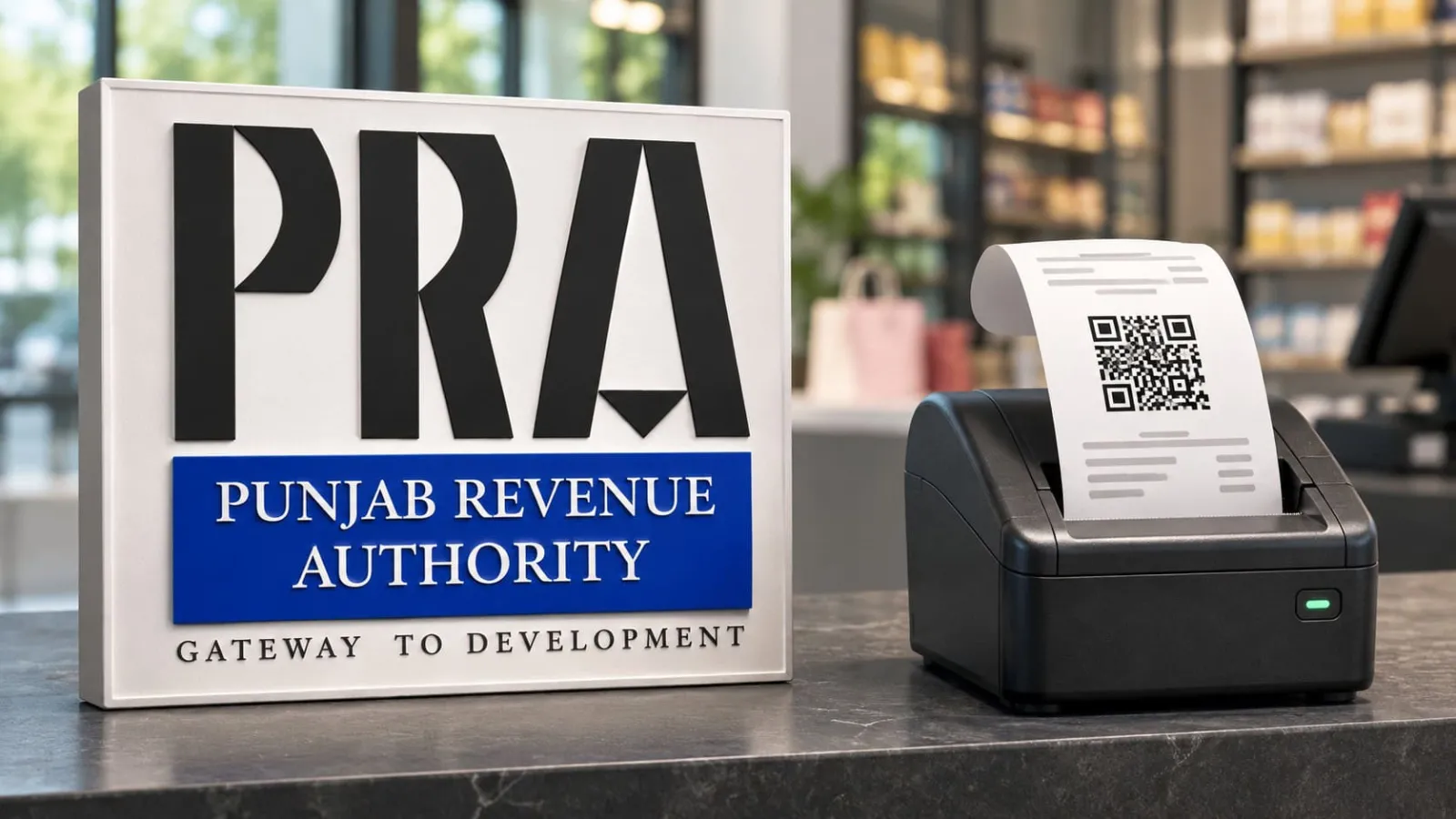
Customers can also use the system to check individual transactions. The QR code printed on a computerised receipt lets them verify the tax charged on their bill in real time. Consumers scanning the code through mobile applications can immediately confirm whether the business registered the transaction with the provincial authority.