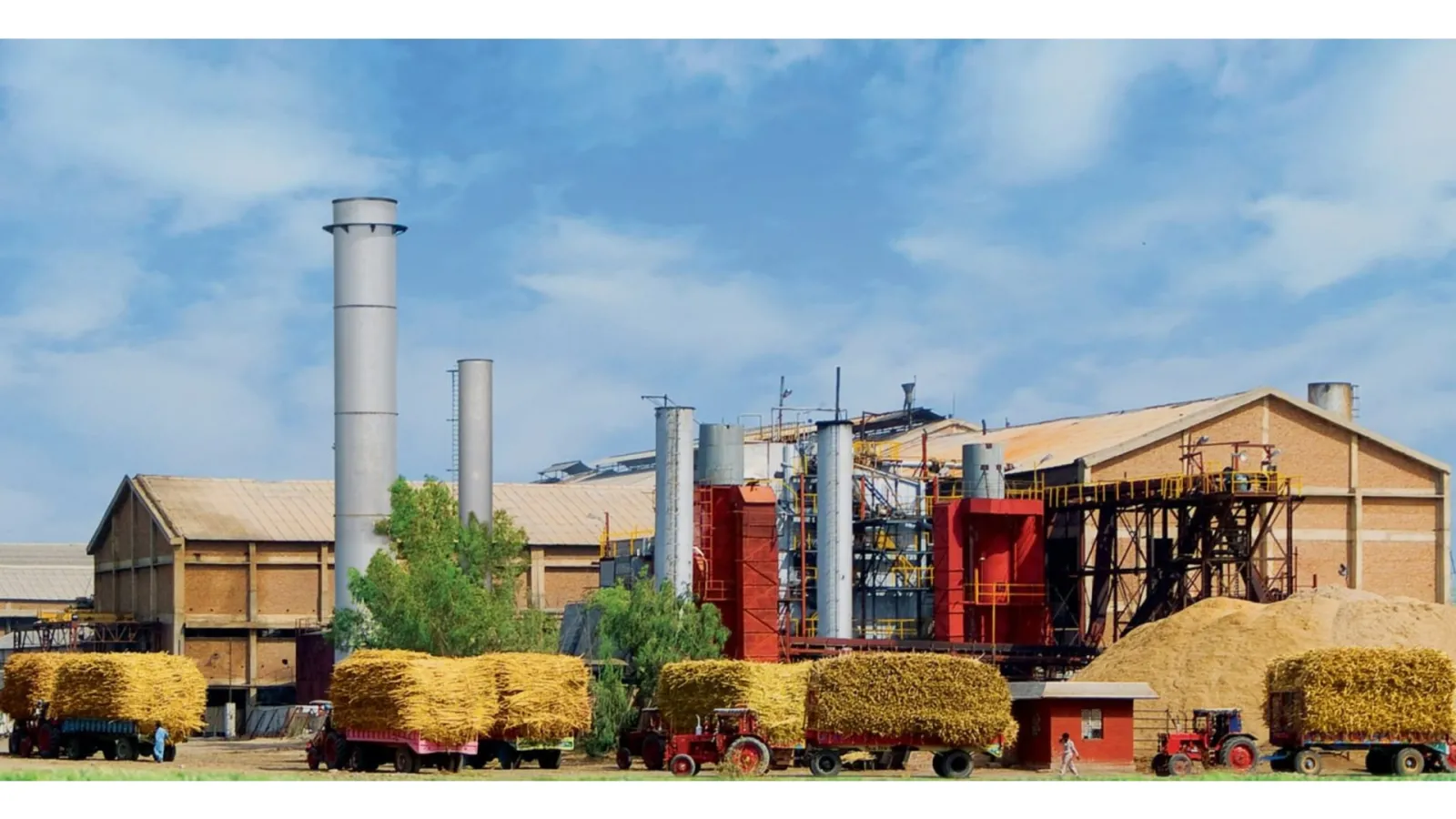
Punjab Sugar Mills Ignore November 15 Crushing Deadline
Punjab's sugarcane crushing season has run into an immediate setback, with nearly all mills ignoring the government's November 15 deadline to start operations. Ramzan Sugar Mills was the sole mill to begin crushing on schedule, a Pakistan Sugar Mills Association official confirmed.
The failure of millers to meet the official start date has created an immediate bottleneck in the agricultural sector. Sugarcane growers rely on the timely opening of mills to harvest and sell their crops before preparing their fields for subsequent planting cycles.
Agricultural authorities had set the mid-November target to ensure a smooth transition from harvest to production. Without active mills accepting cane, harvested crops sit exposed to the elements, risking weight loss and reduced sucrose recovery rates for the farmers.
Government Directives and Enforcement Measures
In a bid to enforce the deadline, the Punjab Food Safety and Consumer Protection Department issued a notification on the governor's behalf, ordering millers to start buying sugarcane and begin crushing within 24 hours.
The directive also placed deputy commissioners responsible for ensuring that mills followed the order, with copies forwarded to the federal secretaries for national food security and industries.
District administrations hold the authority to monitor sugar mill compliance under provincial agricultural regulations. However, the immediate defiance by the vast majority of millers highlights the ongoing friction between industrial producers and provincial authorities regarding operational timelines.
Farmers Demand Urgent Government Intervention
The delay has triggered concerns among growers, with the Pakistan Sugar Mills Association North Zone and farmer groups scheduling separate press conferences for Monday to address the ongoing standoff.
Khalid Hussain Bath, president of a farmers' group, said the government's directive had failed to produce results, as most mills in Punjab remained closed and crushing had also yet to begin in Sindh.
Growers argue that the inaction of processing plants leaves them vulnerable to financial distress. Many farmers took out seasonal loans or invested heavily in inputs, expecting immediate cash flow upon delivering their harvested cane to the mills.
Financial Pressure Mounts on Sugarcane Growers
He warned that the delay was increasing financial pressure on growers already dealing with market uncertainty and rising prices di-ammonium phosphate fertilizer.
Di-ammonium phosphate is a crucial nutrient for crop development, and its elevated cost has already strained farm budgets across the region. When processing delays prevent farmers from selling their produce, servicing agricultural debts becomes extremely difficult.
The standoff underscores the structural challenges within the sugar sector, where the competing interests of growers, mill owners, and regulatory bodies frequently clash over pricing, payments, and operational schedules.
Broader Context of the Sugarcane Crushing Crisis
The current dispute follows a history of seasonal delays and negotiations between the Pakistan Sugar Mills Association and provincial governments. Mills often cite delayed harvesting maturity, low sugar recovery rates, or pricing disputes with growers as reasons for postponing the start of operations.
Provincial governments establish crushing deadlines annually to balance the supply chain and protect smallholders from exploitation by middlemen. When mills delay opening, desperate farmers sometimes sell their cane to unregulated entities at lower rates.
Observers will watch the outcomes of the scheduled Monday press conferences closely to see if farmer groups or the Pakistan Sugar Mills Association announce further protests or legal challenges.
What Watchers Expect Next in the Standoff
District administrations face mounting pressure to enforce the governor's notification effectively after the initial twenty-four-hour window passed without widespread compliance. Authorities must decide whether to take punitive action against non-compliant mill owners or negotiate a revised timeline.
At the same time, the delay in Sindh mirrors the broader regional stagnation, pointing to a nationwide issue in the sugar industry this season. Stakeholders across the agricultural supply chain await formal responses from the federal ministries of national food security and industries.





