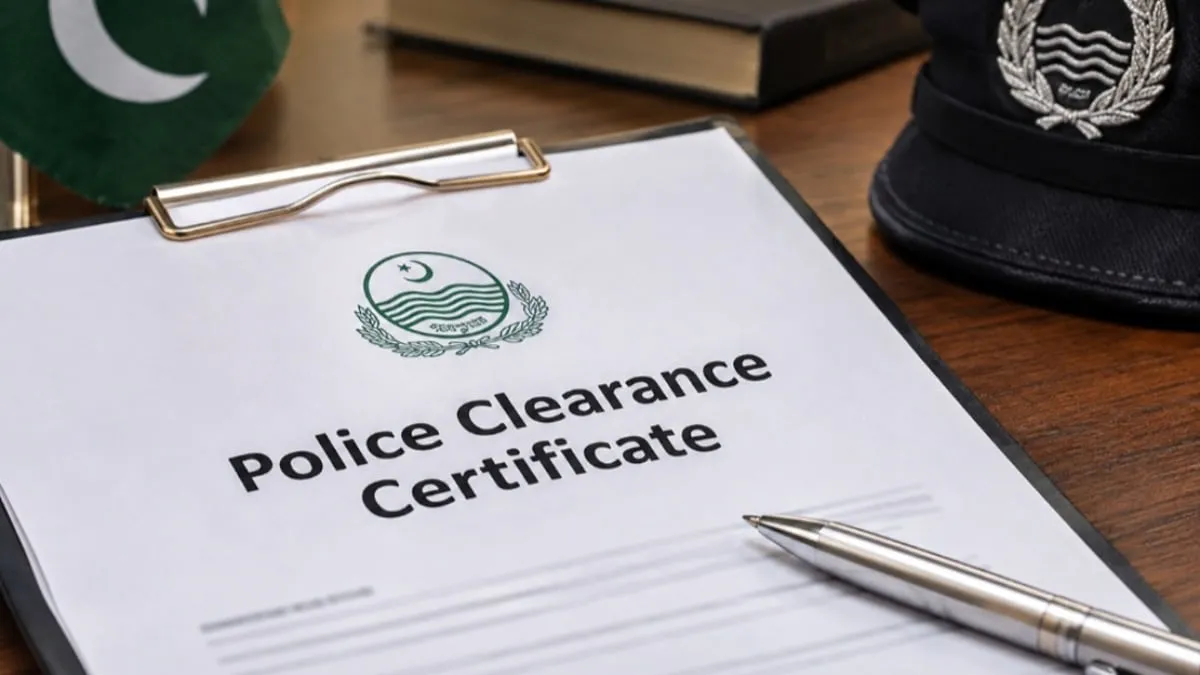
Punjab Proposed Changes to Police Clearance Certificates
The Punjab government has proposed legal changes to ensure that citizens acquitted of criminal charges or whose cases have been dismissed are not denied employment, visa or immigration opportunities because of their past case records. This legislative step addresses long-standing concerns raised by job seekers and applicants facing administrative hurdles due to historical police records that did not reflect subsequent court acquittals.
The Police Order (Amendment) Bill 2026, seeking changes to the Punjab Police Order 2002, was presented in the Punjab Assembly on Monday and referred to the Standing Committee on Law. Lawmakers initiated this measure to streamline administrative processes and protect individuals from undue prejudice during background checks conducted for foreign travel, government recruitment, and private sector jobs.
How the Proposed Police Order Amendment 2026 Works
Under the proposed legislation, police clearance certificates issued to eligible citizens will not mention criminal cases in which they were acquitted or which were dismissed. Applicants will have to submit certified copies of relevant court orders for verification to prove the final judicial outcome of their past legal matters.
Police will be required to issue certificates within three days if no criminal record is found. In cases involving acquittal, the process may take up to 15 days after verification of court documents by the relevant authorities.
However, the certificates will continue to mention the status of individuals declared habitual offenders. This distinction ensures that public safety and security screening protocols remain intact for repeat offenders while shielding cleared individuals from collateral damage.
Appeals Process and Internal Police Records
The bill also proposes an appeal process for applicants whose requests are rejected by law enforcement authorities. Police officials will have to provide written reasons for refusal, while applicants will have 14 days to appeal the decision. The appellate authority must provide an opportunity for a hearing and decide the appeal within 30 days to prevent bureaucratic delays.
Importantly, the proposed amendments will not require police to erase criminal records from their internal databases. Instead, details of qualifying cases will be withheld from police clearance certificates while remaining part of official records for law enforcement and investigative purposes.
Background of Police Clearance Certificates in Punjab
Police clearance certificates serve as official documents required for various official purposes, including international travel, immigration applications, and employment background checks. Historically, individuals who faced trial and secured complete acquittals often found their clearance documents marred by the mere historical mention of an FIR. This created significant barriers, as foreign embassies and prospective employers frequently misinterpreted pending or dismissed charges as active convictions.
The legal framework governing law enforcement in the province relies heavily on the Punjab Police Order 2002, which outlines the structure, powers, and operational guidelines for the police force. Amending this foundational statute requires formal legislative action through the provincial assembly, committee reviews, and executive assent.
Impact on Employment and Immigration Opportunities
Citizens seeking better economic prospects abroad or within the domestic job market often face strict scrutiny regarding their legal backgrounds. By removing dismissed cases and acquittals from standard clearance documents, the reform directly helps qualified candidates secure jobs and visas without carrying the stigma of resolved allegations.
Businesses and international embassies rely on accurate character certificates to assess candidate suitability. This policy change balances the transparency needed for institutional screening with the fundamental right of cleared citizens to rebuild their professional lives without ongoing legal penalties.
Legislative Process and Next Steps
The bill will be considered by the Punjab Assembly after the Standing Committee submits its report following its detailed review. Following assembly debate and passage, it will require approval by the governor before becoming law.
Observers and legal experts will monitor the committee proceedings to see if any modifications are introduced before the draft returns to the floor of the house. Once enacted, police departments across the province will update their standard operating procedures to align with the new timelines for certificate issuance and the revised appeal mechanism.





