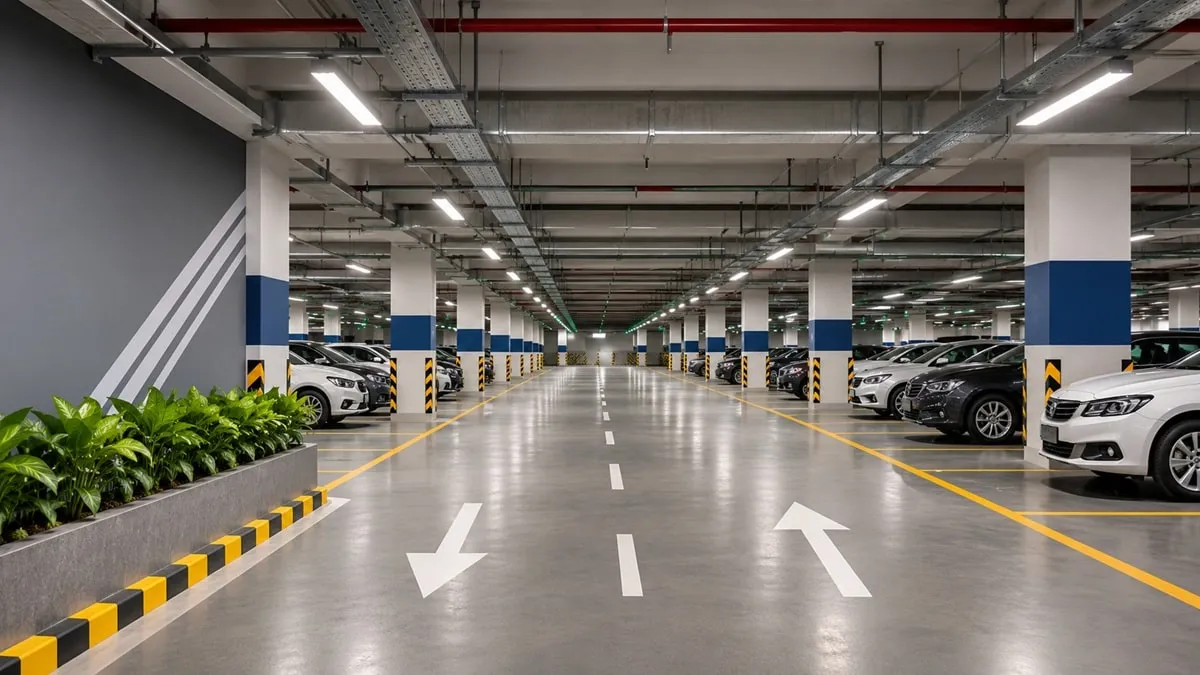
Rawalpindi Parking Plazas Announced to Ease Traffic Congestion
Urban congestion in major commercial hubs of Pakistan often creates severe challenges for motorists, shoppers, and local business owners. To tackle these chronic shortages of vehicle spaces, authorities have initiated new infrastructural plans aimed at modernizing urban transit facilities in busy districts. Two new parking plazas will be constructed in Rawalpindi's Commercial Market and Raja Bazaar to address parking shortages in the city's busy commercial areas.
The announcement came directly from federal leadership during a major gathering of local business representatives. Federal Minister for Railways Muhammad Hanif Abbasi announced the plans while addressing a Grand Traders Convention. He said one parking plaza would be built in Commercial Market, while the other would be constructed at the former Tehsil Office site in Raja Bazaar.
Urban planning specialists have long noted that inadequate vehicle accommodation severely impacts commercial activity in densely populated zones. Shoppers frequently avoid congested bazaars due to the impossibility of finding safe spots for their automobiles. By establishing structured multi-story facilities, municipal authorities expect to restore smooth traffic flows and encourage higher foot traffic for local merchants.
Where the New Parking Infrastructure Will Be Built
Strategic site selection remains critical for the success of any large municipal project designed to alleviate traffic bottlenecks. Commercial Market and Raja Bazaar represent two of the busiest retail centers within the urban center, drawing thousands of daily visitors. Selecting these specific locations ensures that the newly created vehicle capacity directly targets the areas experiencing the highest volume of daily traffic.
In addition to the two primary facilities designated for automobiles, authorities have factored in the heavy presence of two-wheelers on local streets. He also highlighted plans for a dedicated motorcycle parking plaza at the former Rex Cinema site. Motorbikes make up a significant portion of daily commuters in the region, and a dedicated facility will prevent haphazard street parking.
Redeveloping older municipal sites, such as the former Tehsil Office and the former cinema plot, allows the local administration to use existing public land efficiently. These locations already sit at the heart of commercial activity, meaning visitors will not have to walk excessive distances to reach their preferred shops and markets.
Addressing Business Concerns Beyond Parking Infrastructure
Infrastructure development forms only part of the broader discussions held between government officials and the local business community. During the convention, Abbasi assured traders that their concerns regarding early shop closures, taxation, water supply, and sanitation would be addressed through a comprehensive relief package.
Business owners operating in dense commercial zones frequently face operational hurdles that affect their daily revenues and overall profitability. Regulations governing operating hours often spark friction between shopkeepers and local authorities seeking to manage energy consumption and public order. Municipal taxation policies also remain a frequent point of contention, especially when merchants feel service delivery falls short of their contributions.
Resolving these administrative issues requires direct coordination between municipal departments and federal representatives who can bridge communication gaps. Officials understand that a thriving commercial sector depends heavily on stable public utilities, fair tax structures, and sensible administrative regulations that support rather than hinder enterprise growth.
Resolving Early Shop Closures and Municipal Taxation Issues
Operating hours and local taxation policies directly impact the livelihoods of thousands of shopkeepers and retail workers across the metropolitan area. He said he had personally taken up the issue of premature market closures with the Rawalpindi deputy commissioner following complaints from traders. Merchant associations have argued that arbitrary restrictions on business hours limit their ability to serve evening customers.
Taxation fairness forms another critical pillar of the dialogue between the merchant community and government representatives. The minister also acknowledged concerns over municipal taxes, saying businesses should receive proper civic services in return for the taxes they pay. He assured traders that water supply and sanitation problems would be addressed on a priority basis.
Clean water and proper waste management are fundamental civic amenities that dictate the health and hygiene of busy trading districts. When municipal authorities fail to maintain these systems, businesses suffer alongside their customers, leading to widespread dissatisfaction. Prioritizing these basic services marks a direct response to longstanding grievances raised by local trade bodies.
Improving Access Around Rawalpindi Cricket Stadium
Beyond traditional commercial centers, large public venues also require careful traffic management to prevent widespread disruption during major events. Regarding access restrictions around Rawalpindi Cricket Stadium, Abbasi said he had discussed the matter with Interior Minister Mohsin Naqvi and requested the early completion of stadium development work.
Major sports fixtures often bring stringent security protocols and temporary road closures that isolate nearby neighborhoods and disrupt local commerce. Residents and business owners operating near major sports arenas frequently call for balanced security measures that protect public safety while maintaining normal community access. Coordinating between federal ministries and local security apparatus helps streamline these arrangements for future matches.
The acceleration of stadium development work aims to minimize the duration of public inconvenience caused by ongoing construction projects. As national sporting events return to local grounds, ensuring efficient transit routes and swift project completion remains a top priority for regional administrators.





