Rawalpindi Municipal Authorities Issue Notices to Over 3,000 Private Schools
The Rawalpindi Municipal Corporation and the Civil Defence Department have taken administrative action affecting more than 3,000 private schools across the district. Authorities instructed these educational institutions to obtain commercial building plans instead of conducting traditional building fitness inspections in the name of safety checks. This sudden shift in regulatory focus has caught school administrators off guard and disrupted normal administrative operations.
Alongside these formal notices, the Civil Defence Department started imposing heavy financial penalties exceeding Rs100,000 on individual schools for lacking commercial building plans. These actions effectively abandoned the original objective of building fitness inspections, which were meant to verify structural safety and protective measures for students and staff. The escalation from inspection to punitive fines has created immediate financial strain for educational institutions operating across the Rawalpindi district.
Local educational stakeholders and administrators view this enforcement drive as a departure from standard oversight procedures. Private schools form a major pillar of the educational framework in the region, accommodating thousands of children from diverse socioeconomic backgrounds. Consequently, sudden regulatory demands carry widespread implications for the continuity of schooling and the financial health of school management bodies.
Protests Erupt From the All Pakistan Private Schools Management Association
The regulatory crackdown triggered strong opposition from the All Pakistan Private Schools Management Association (APPSMA). Association leaders mobilized quickly to contest the actions taken by municipal and civil defense officials. Representatives argued that local departments exceeded their mandate by shifting the focus from genuine student safety to bureaucratic compliance regarding commercial real estate documentation.
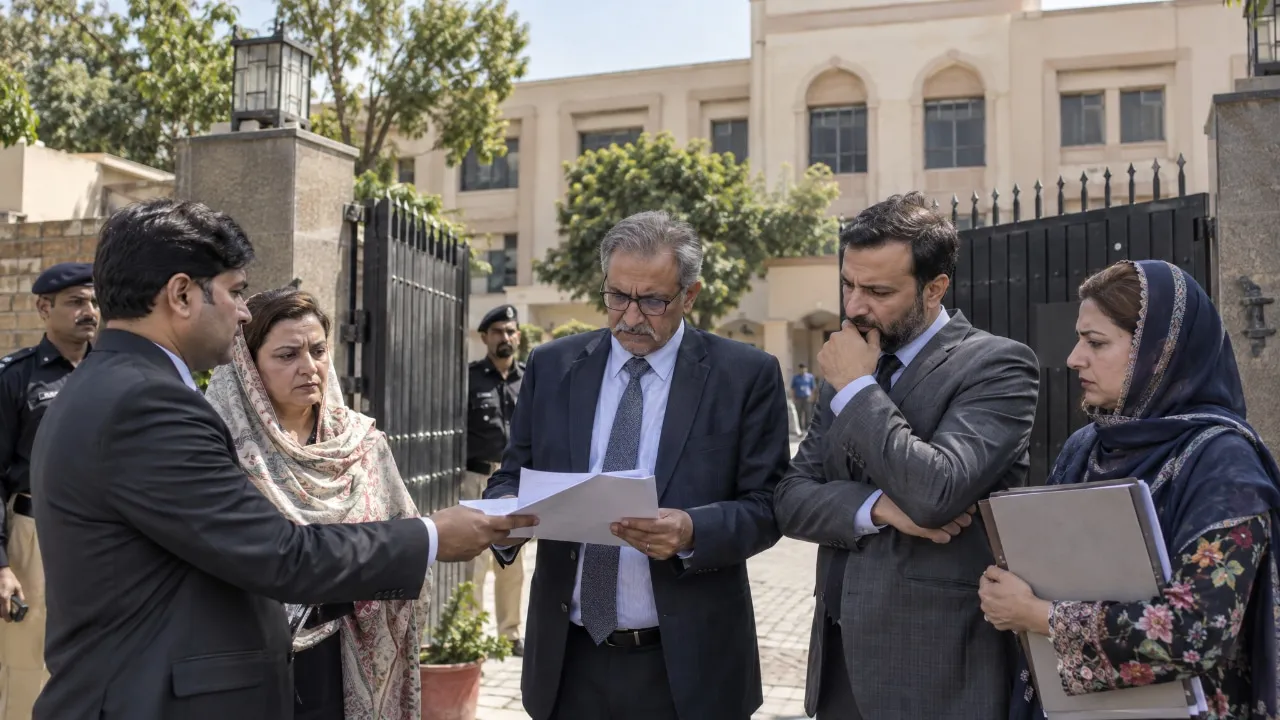
APPSMA President Abrar Ahmed Khan led a delegation to meet with Additional Deputy Commissioner Social Services Fazail Mudassar. During this formal encounter, the delegation presented copies of the notices issued by the Municipal Corporation and Civil Defence. They voiced strong reservations regarding the enforcement methods used by civil defense personnel and raised serious questions about the collection of large fees for issuing safety fitness certificates.
The delegation formally requested an immediate inquiry into the conduct of the relevant staff. They demanded that authorities review the legal provisions, rules, and departmental authorizations used to justify large financial demands for fitness certificates. Additional Deputy Commissioner Social Services Fazail Mudassar listened to the grievances presented by the delegation and assured them that the administration would examine the matter thoroughly.
Understanding Building Safety Inspections and Municipal Rules
Building safety inspections are regular administrative procedures designed to protect occupants in public and private spaces. In the context of educational institutions, these reviews typically cover fire safety equipment, structural integrity, proper ventilation, emergency exit routes, and electrical wiring. Municipal corporations and civil defense units traditionally carry out these checks to ensure that school buildings present no hazards to children or teachers.
However, tensions arise when municipal zoning regulations overlap with educational licensing. Commercial building plans are architectural blueprints approved by local planning authorities to verify that a property complies with commercial zoning laws, parking requirements, and land use designations. Many older schools operate in residential areas or occupy converted residential structures under older municipal frameworks, making the sudden demand for updated commercial building plans difficult to satisfy immediately.
When municipal bodies condition safety clearances on commercial real estate compliance, schools face complex bureaucratic hurdles. Critics point out that mixing structural safety verification with commercial zoning enforcement creates confusion. Schools find themselves penalized for real estate classifications rather than actual physical safety shortcomings on their campuses.
Financial Burdens and Administrative Harassment Concerns
APPSMA President Abrar Ahmed Khan highlighted the core grievance of the school owners during discussions with district officials. He stated that the primary objective of safety inspection teams should be to examine structural conditions and protective arrangements to guarantee a secure learning environment. Using safety inspections as a pretext to demand commercial building plans and charge hefty fees creates unnecessary financial strain for educational institutions.
The association maintains that building safety procedures should not serve as a mechanism for different government departments to generate revenue or initiate punitive proceedings. If a school lacks specific safety arrangements, the administration should identify the shortcomings, provide clear guidance, and grant a reasonable timeframe to address them in accordance with existing laws. Pressuring schools through unclear fee structures and sudden legal notices hinders their daily operations.
School administrators also appealed directly to the Deputy Commissioner Rawalpindi to intervene in the situation. They requested explicit instructions for local departments to halt unauthorized financial collections and stop what they termed the unjustified harassment of private educational institutions. School leaders stressed that the government should adopt a cooperative approach to support educational continuity while maintaining safety standards.
The Role of Private Education in Rawalpindi
Private schools play an essential role in the educational infrastructure of Rawalpindi and the wider Punjab province. They absorb a large share of the student population, reducing the burden on overstretched public sector schools. By providing education across various fee tiers, these institutions serve families who rely on private providers for quality learning environments and academic instruction.
School owners argue that fulfilling national educational responsibilities requires a stable and predictable regulatory environment. When institutions face sudden financial penalties and bureaucratic roadblocks, their ability to invest in classroom resources, teacher training, and facility maintenance diminishes. Maintaining a balance between rigorous safety standards and administrative support remains crucial for the sustainability of the private education sector.
As the district administration reviews the complaints brought forward by APPSMA, school administrators across Rawalpindi await formal clarification. The outcome of the meetings between the additional deputy commissioner and school representatives will determine whether the municipal corporation and civil defense department adjust their inspection and fee collection policies in the coming weeks.