Islamabad District Administration Moves Toward Cashless Fines
The Islamabad district administration has taken a significant step toward financial digitization by making all assistant commissioners' offices completely cashless. Visitors to these government facilities can now settle their financial penalties and fees through digital QR code payments rather than handling physical currency notes. This update transforms the traditional administrative workflow at key municipal buildings across the federal capital.
The transition centers heavily on the Deputy Commissioner's Complex, where officials have deployed scannable digital codes across various service windows. Citizens who incur administrative penalties or official dues no longer need to visit automated teller machines or carry physical cash to clear their records. The administration intends this mechanism to streamline everyday operations for both the public and government workers.
اسلام آباد میں جرمانوں کی ادائیگی اب کیو آر کوڈ کے ذریعے, ضلعی انتظامیہ اسلام آباد نے تمام اسسٹنٹ کمشنرز کے دفاتر کو مکمل طور پر کیش لیس کر دیا, ڈی سی کمپلیکس کے تمام دفاتر میں بھی کیو آر کوڈ سسٹم نافذ کر دیا گیا ہے, شہریوں سے التماس ہے کہ جرمانے کی ادائیگی متعلقہ دفتر میں آویزاں… pic.twitter.com/LvOgxKpkp9
— DC Islamabad (@dcislamabad) November 11, 2026
How QR Code Payments Work for Citizens
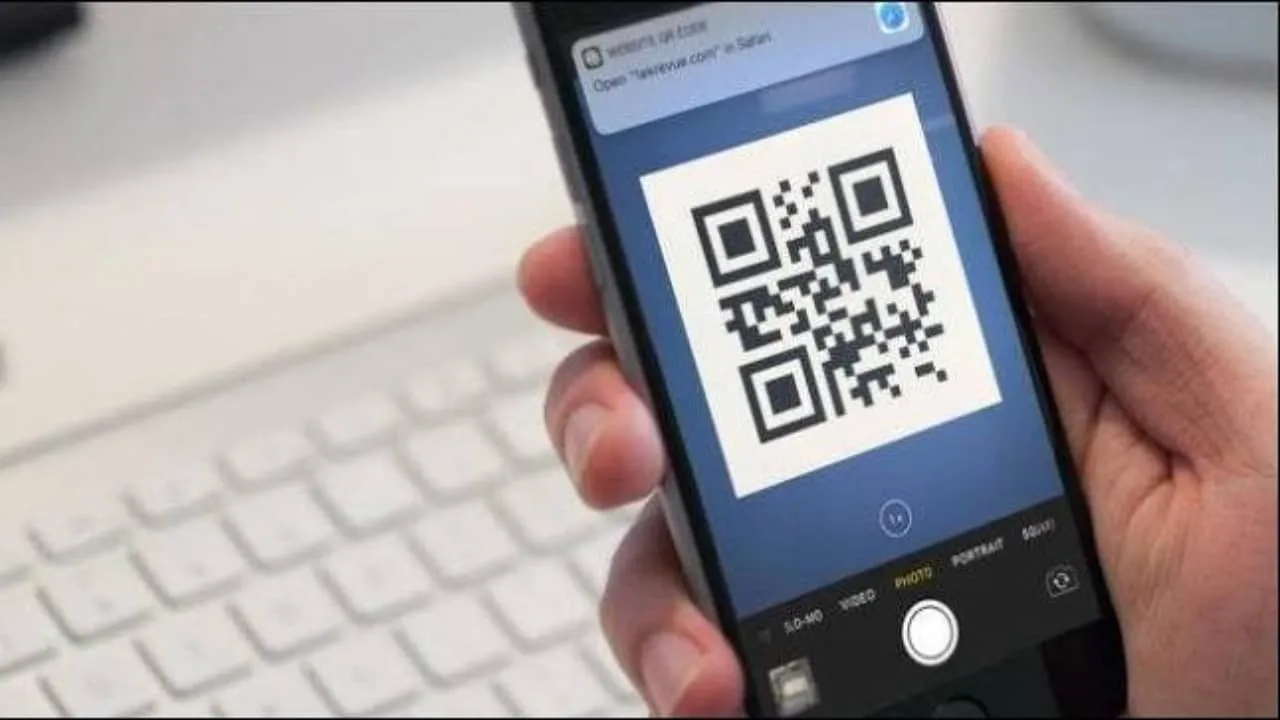
Using the new digital payment system requires only a smartphone equipped with a standard camera or a dedicated mobile banking application. When a visitor receives a fine or official fee assessment at an assistant commissioner's office, they locate the designated QR code displayed prominently at the service counter. Scanning this code with their mobile device routes the user directly to the secure payment gateway established by the administration.
After completing the transaction through their preferred digital banking app, citizens show the digital receipt to the desk officer to verify clearance. This removes the administrative friction associated with exact change requirements, receipt logging, and manual ledger entries. The elimination of cash handling also reduces the time individuals spend waiting in lines to settle official dues.
Expansion Plans Across Islamabad Administrative Offices
The initial launch at the Deputy Commissioner's Complex and local assistant commissioners' offices marks the beginning of a broader municipal rollout. Authorities are actively installing physical QR code display boards at other district administration offices throughout the capital territory. The Deputy Commissioner Islamabad confirmed that this infrastructure expansion will eventually cover every department and service window operating under the district administration.
Government planners view this step as part of a wider government strategy to modernize public sector touchpoints. By migrating routine administrative payments away from physical cash, the local government aims to reduce bureaucratic delays and administrative overheads. Municipal offices across urban centers frequently deal with high volumes of daily transactions, making automated tracking systems an efficient alternative for public record management.
Transparency and Public Convenience Benefits
Moving away from cash transactions directly addresses long-standing challenges regarding the transparency of official collections. Digital payments create an immediate, traceable audit trail for every fine or fee collected by assistant commissioners and district staff. Every transaction recorded through the QR system links directly to official bank accounts, which minimizes discrepancies in daily revenue collection reports.
The Deputy Commissioner reiterated the administration's commitment to making Islamabad a cashless city through systematic technological upgrades. Officials emphasize that an expanding digital payment network offers greater convenience to residents while establishing higher standards of accountability within public offices. Citizens benefit from a faster, more secure method of interacting with local authorities without exposing themselves to the risks associated with carrying large amounts of cash.
Broader Context of Digital Governance in Pakistan
The shift toward QR code payments in Islamabad aligns with national efforts to increase financial inclusion and digital literacy across public institutions. Federal and provincial agencies across the country have gradually introduced electronic payment gateways for utility bills, traffic violations, and tax submissions. Adopting these technologies at the district administration level brings local municipal services in line with modern banking standards.
As the rollout continues into remaining offices, public awareness campaigns will guide residents on adapting to the new paperless environment. The success of this initiative in Islamabad may also serve as a working model for other municipal administrations seeking to upgrade their revenue collection mechanisms. Observers will monitor how smoothly the transition occurs as digital mandates expand to cover all remaining district offices in the coming months.





