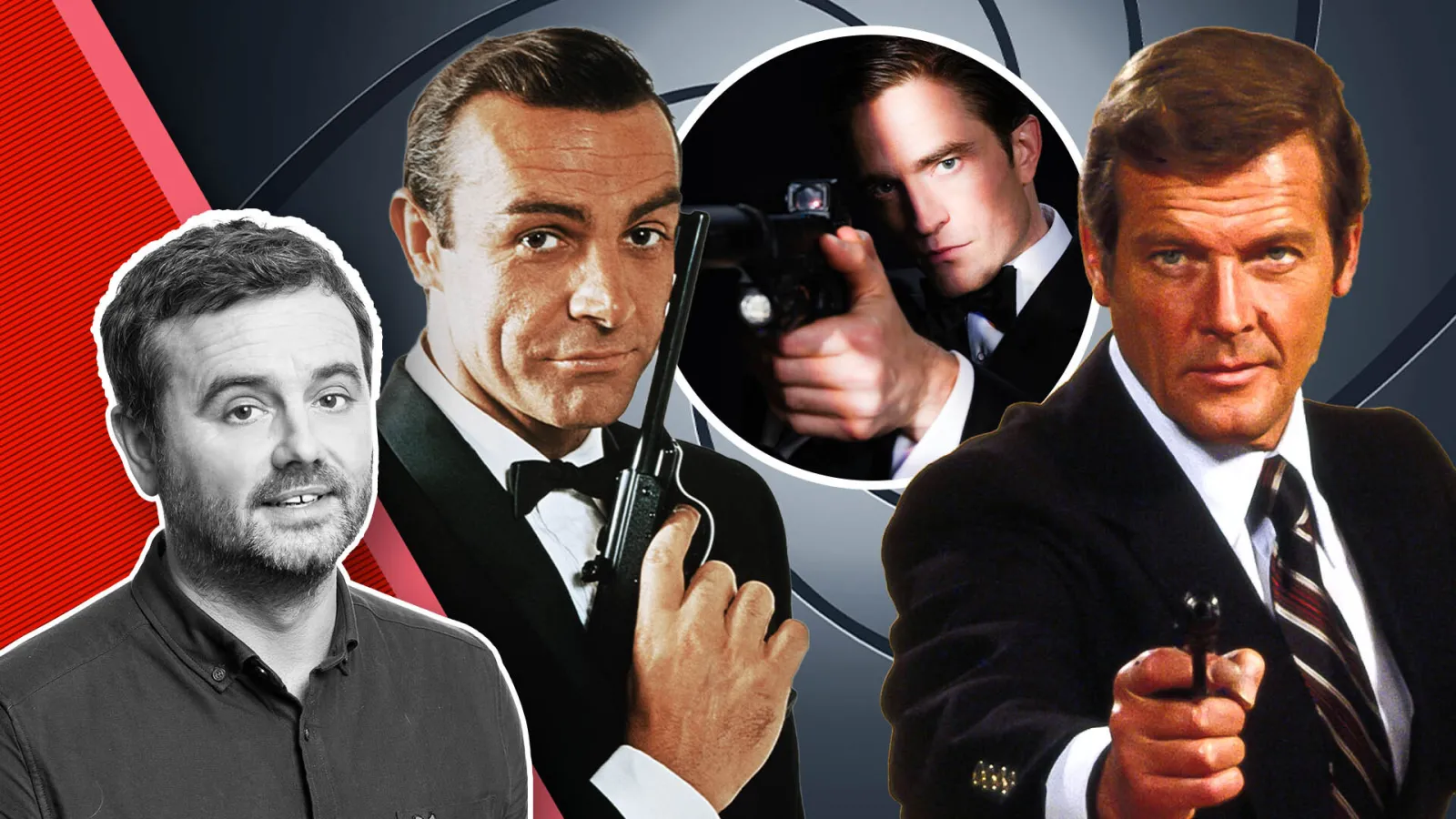
The search for the next cinematic incarnation of James Bond has sparked widespread debate across the entertainment industry regarding the future direction of the iconic spy franchise. Following years of gritty, grounded storytelling led by Daniel Craig, questions arise about how the character can maintain relevance in a rapidly changing cultural climate. Speculation surrounds potential casting choices, creative visions, and how major studio ownership will shape upcoming productions.
With massive corporate acquisitions altering the landscape of major film franchises, the financial stakes for 007 have never been higher. Critics and commentators argue that modern espionage thrillers struggle to compete with real-world technological magnates whose actual endeavors often mirror traditional cinematic plots. Examining the historical roots of Ian Fleming's creation reveals a stark contrast between vintage secret agent adventures and contemporary blockbusters.
The Evolution of James Bond Under Corporate Ownership
Amazon acquired the James Bond franchise for $1 billion prior to launching high-profile private space initiatives, drawing immediate comparisons to classic cinematic antagonists. This corporate shift places one of cinema's most famous intelligence officers directly under the control of modern tech wealth. Observers note that contemporary real-world billionaires engage in ventures once reserved for fictional criminal masterminds, altering how audiences perceive on-screen villainy.
The tone of the franchise shifted noticeably during the tenure of Daniel Craig, transforming the witty and debonair agent into a more serious, physical operative. Films following this transition often leaned into complex, sprawling narratives that some viewers found overly convoluted compared to earlier, straightforward entries. The challenge for upcoming installments lies in balancing audience expectations for modern action choreography with the timeless charm that originally defined the character.
Why Traditional Period-Piece Reboots Could Save 007
Industry commentators suggest that instead of pursuing continuous modern sequels that emulate rival spy franchises, producers should consider halting new storylines entirely. A compelling alternative involves rebooting the classic era of films spanning from 1962's Dr No to 1983's Octopussy. Filming these adventures as period pieces would allow a new lead actor to embody the sardonic ruthlessness and wise-cracking charm associated with early portrayals.
Adopting a period setting would reintroduce classic elements such as vintage automobiles, retro espionage gadgets, and distinct aesthetic choices that defined the golden age of the series. Characters like Auric Goldfinger, Francisco Scaramanga, and iconic companions could be reimagined faithfully for modern audiences without the burden of fitting into contemporary geopolitical frameworks. This approach would honor the 64-year history of the cinematic property while offering a fresh start.
Casting Speculation and the Search for the Next Agent
Speculation regarding casting choices remains a primary focus for fans and media outlets following the conclusion of the previous film arc. Names frequently mentioned by commentators include actors capable of handling both physical action and sharp comedic timing. The integration of classic archetype characters, including memorable antagonists and companions, will depend heavily on the creative vision chosen by the production team.
Additionally, discussions surrounding potential leading ladies and classic character designations highlight the tension between nostalgic tropes and contemporary sensibilities. Writers face the task of honoring the playful naming conventions of the past while appealing to audiences who expect nuanced character development. Finding the right balance between traditional charm and modern sensibilities will determine the commercial and critical reception of future cinematic chapters.