Scientists are advancing a method that merges antibody-dye drugs with low-power red light to treat solid tumors, hoping to limit damage to surrounding healthy tissue. The technique, known as photoimmunotherapy, seeks to improve cancer care by focusing on cellular mechanisms rather than whole-body toxicity.
The process begins when specially designed antibody-dye conjugates are introduced into the body. These agents carry an antibody segment that homes in on receptors that are abundant on cancer cells.
Attached to the antibody is a dye that reacts to light. Because the antibody binds only to malignant cells, the drug gathers at the tumor site while largely avoiding normal tissue.
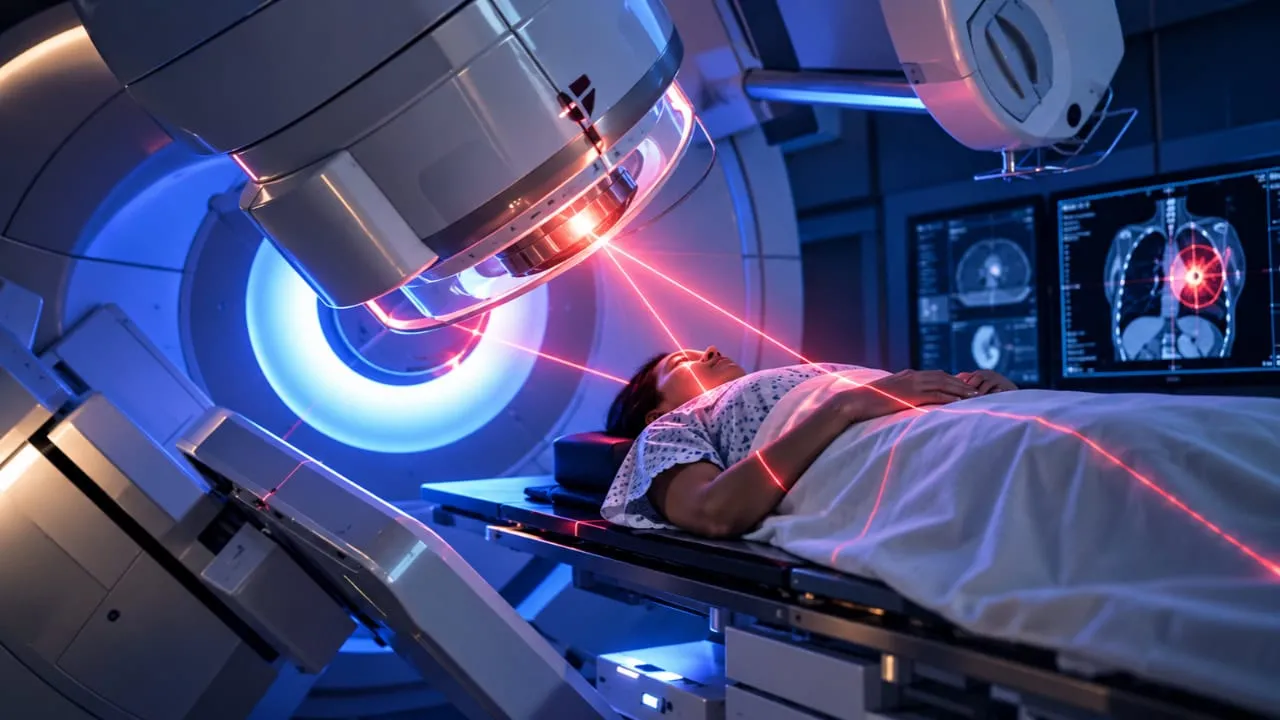
After the conjugate has attached, doctors direct low-power red light, usually at 690 nanometers, onto the tumor. Medical illumination devices deliver the light precisely. When the light contacts the dye on the cancer cells, it triggers a rapid photochemical reaction.
This activation changes the conjugate's properties, breaking down the cell membrane of the targeted tumor cells. Without a stable membrane, the cells swell and die by necrosis.
The sudden death of tumor cells releases debris and antigens, prompting a local and systemic immune response. The body's natural defenses can then recognize and attack remaining cancer cells. By combining optics, immunology and molecular biology, photoimmunotherapy offers a new route for localized tumor removal without widespread side effects.