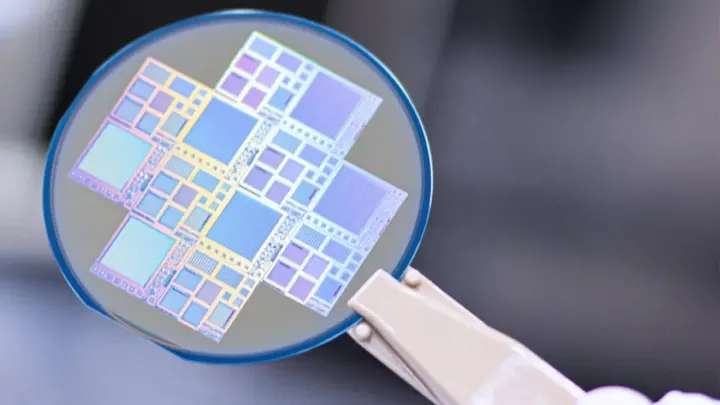
General Motors evaluated more than 300,000 electric vehicle battery designs in a virtual environment prior to constructing any physical cells, Fortune reported. The automaker used 300 million computing hours, equivalent to roughly 34,000 years on a single computer, which allowed the firm to advance from an initial battery pack concept to formal approval in just one month.
The simulations concentrate on a novel battery chemistry known as lithium manganese-rich, or LMR. General Motors stated that this formulation contains 33% more energy than lithium iron phosphate batteries while maintaining a comparable cost. It also incorporates 30% to 40% nickel, contrasted with roughly 85% found in current high-nickel cells. Although LMR previously suffered from limited battery lifespan, the corporation asserts it fixed that issue.
These digital tests back the upcoming fourth-generation electric vehicle platform from General Motors. The manufacturer reported that this architecture will provide approximately 20% greater range per kilowatt-hour than existing vehicles. Electric motors on the platform will feature 40% fewer parts than current versions, use 30% less wiring, and integrate a central computer possessing 40 times higher processing power.
"High-nickel batteries will continue to give customers the highest range in our portfolio, while adding LMR positions us to leapfrog today's more affordable chemistries and deliver lower costs with better performance," said GM in a press release.
The company also stated that this digital method will reduce its standard four-to-five-year development timeline by half. Air flow simulations that previously required 60 hours now wrap up in 60 seconds. At the same time, the factory system named PlantBrAIn speeds up battery pack assembly by 30%. Virtual models are likewise employed to evaluate assembly procedures and equipment layouts prior to constructing actual production lines.
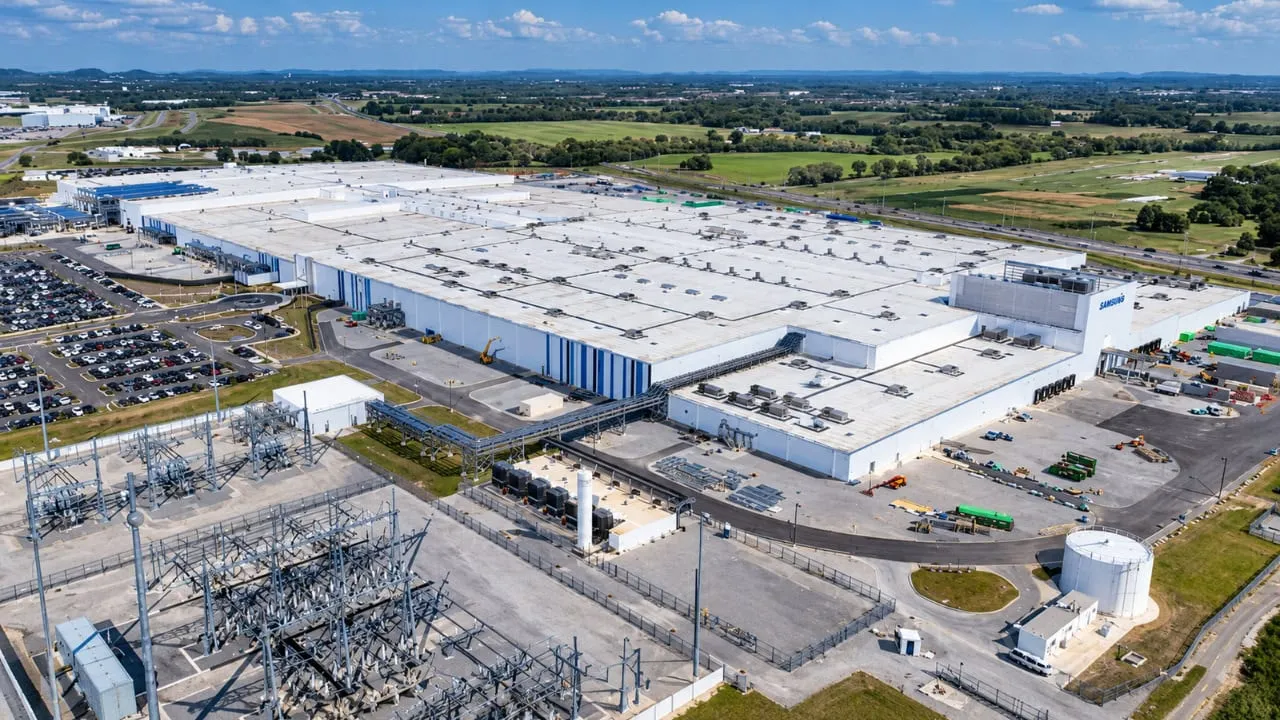
Production of the LMR cells will take place at the Ultium Cells facility in Spring Hill, Tennessee, operated jointly by General Motors and LG Energy Solution. The $900 million battery facility in Warren, Michigan, will achieve full functionality later this year, with mass production anticipated to start in 2028. Kurt Kelty, vice president of battery at General Motors, stated, "We're not licensing this from China."
These strategies were disclosed during the GM Forward event held in New York this week. The corporation plans to put over $16 billion into United States research and production over the course of this year. Leadership maintains that computer-driven development will enable competition with Chinese manufacturers regarding both speed and expense.